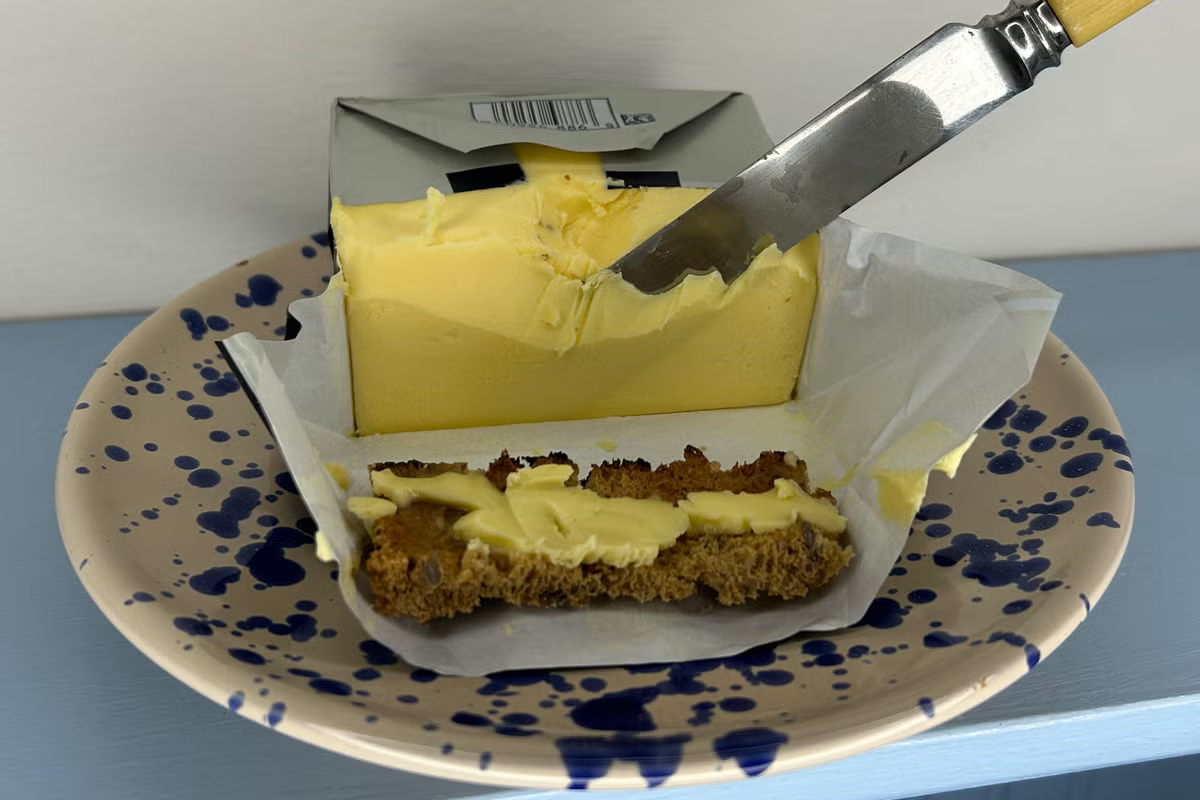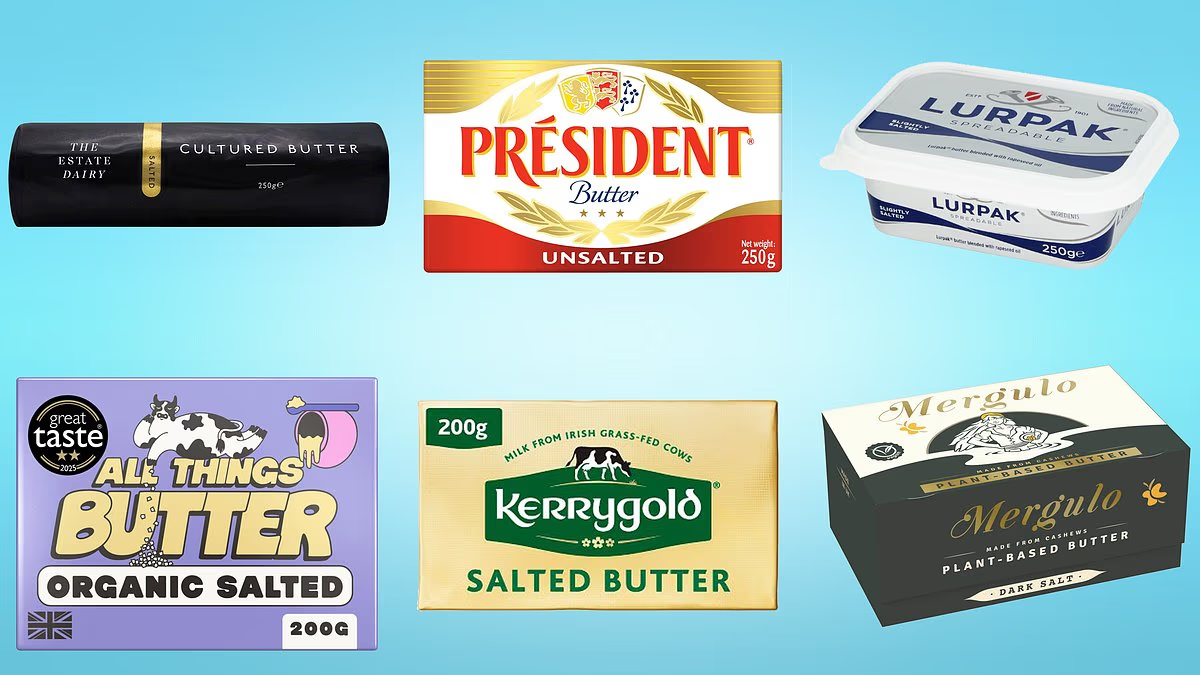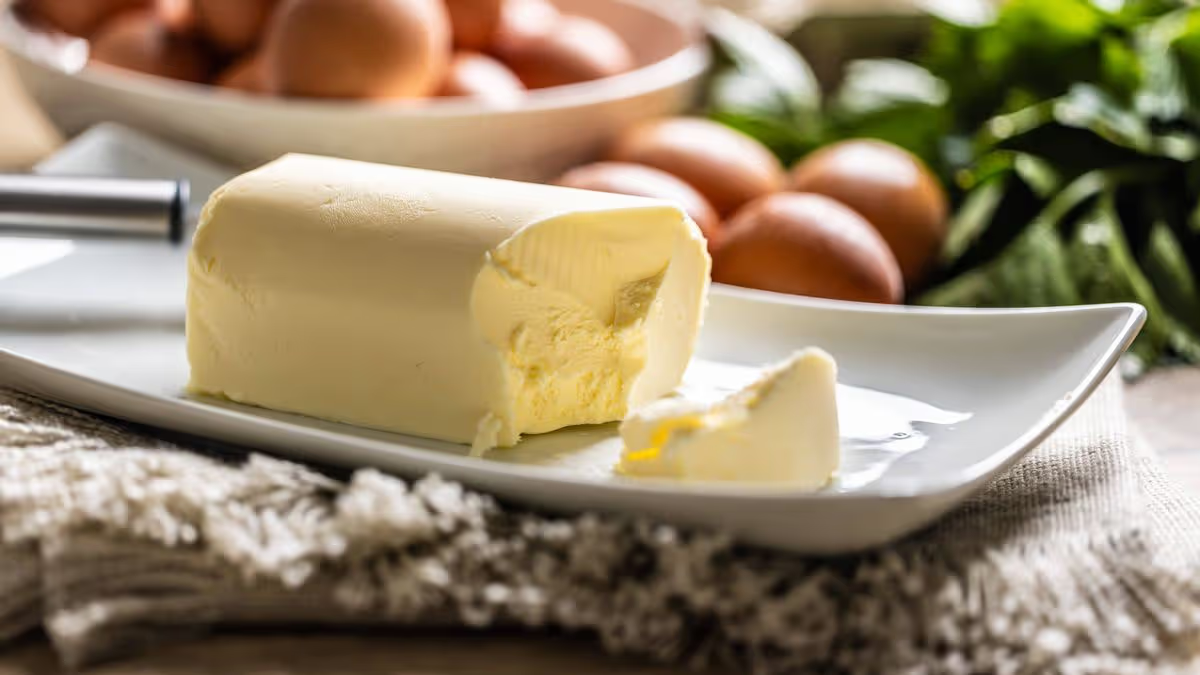
Butter is having a moment. No longer just a bit player in baking or a back-of-fridge standby, it’s taking center stage — whipped into sculptural boards, swirled into pastas, slathered generously on crusty bread. And yet, most of us still toss the same familiar yellow box into our grocery carts week after week. What actually makes a butter “better,” and which store-bought slabs are worth the splurge?
To find out, we talked to chefs, cheesemongers and cookbook authors obsessed with butter — not just for the flavor, but for the science and soul behind it. We asked about butter for cooking, baking, and simply slathering on a piece of toast. What we discovered: Great butter isn’t about branding. It’s about butterfat, culture (literally) and how it performs on your toast and in your pan.
The Magic Of Cultured Butter
First, let’s break down the basics: Most American butter is made from sweet cream, which means it’s churned from pasteurized fresh cream and tastes clean and mild. Cultured butter, on the other hand, is made by fermenting cream with lactic acid bacteria before churning. The result? A richer texture and a slightly tangy, more complex flavor — like the difference between milk and crème fraîche.