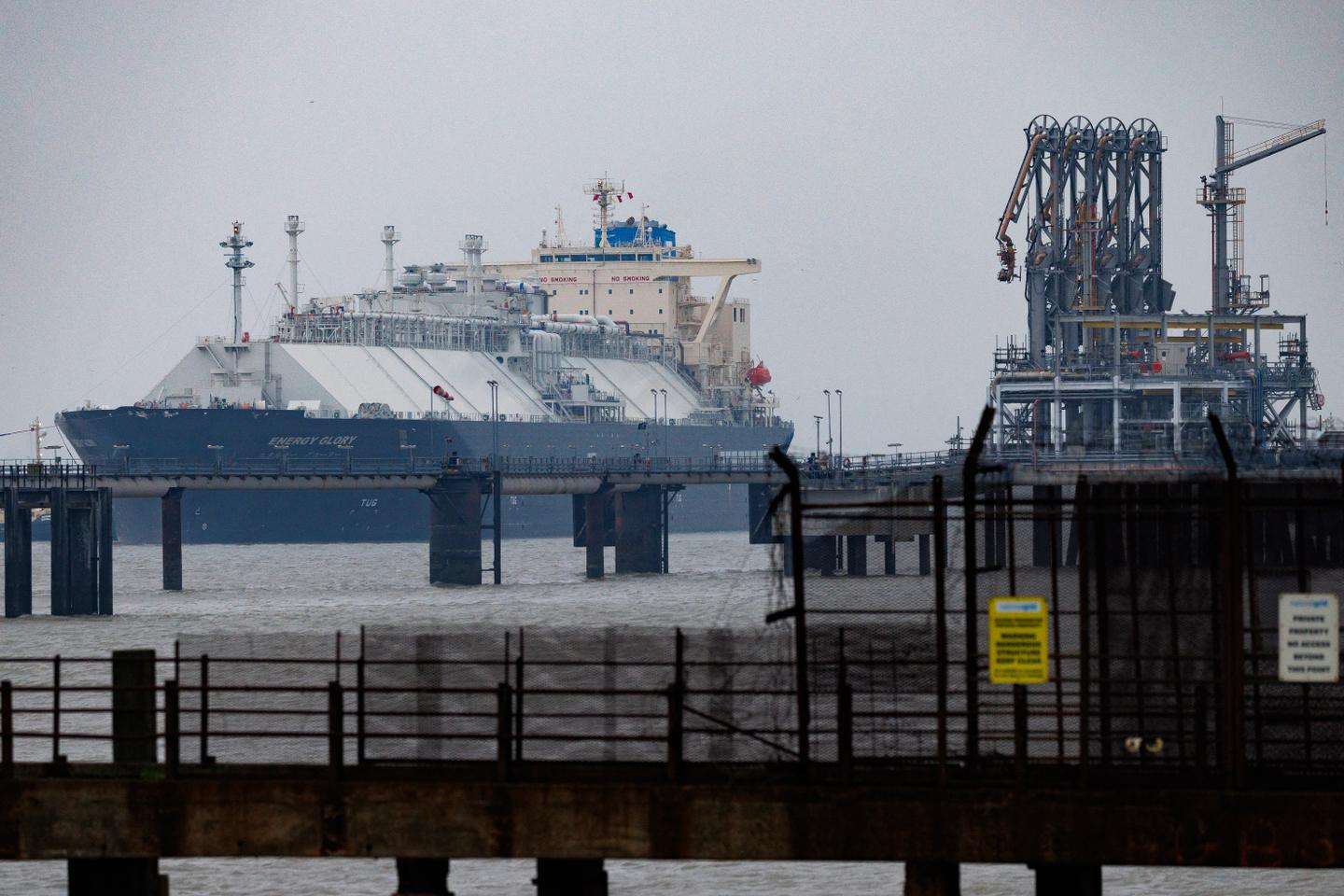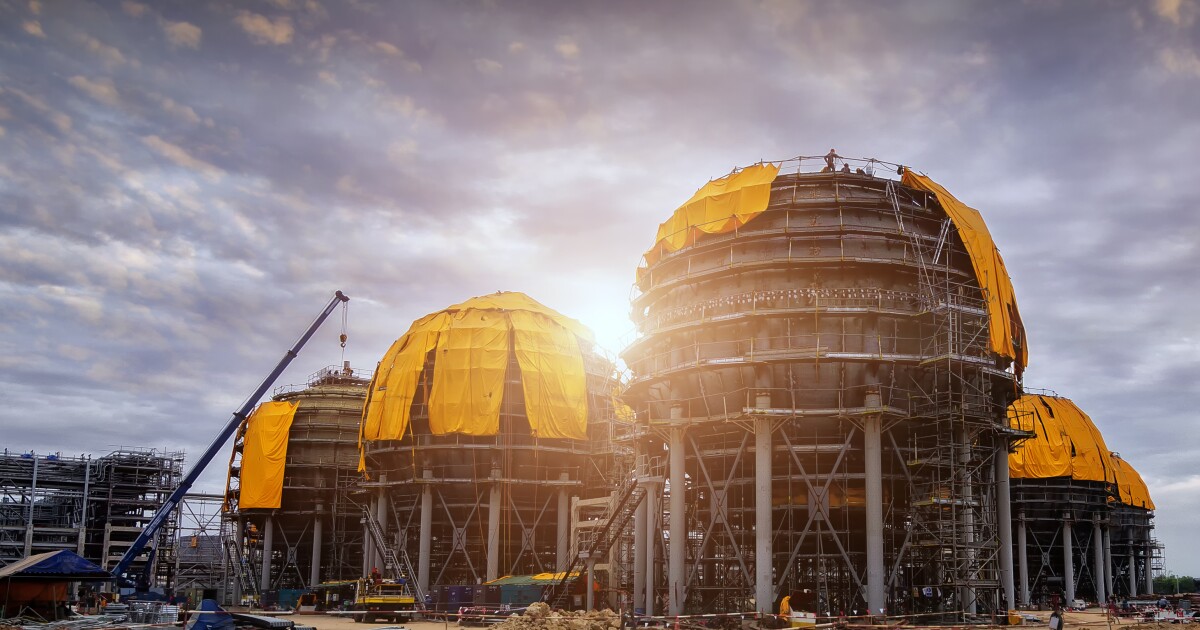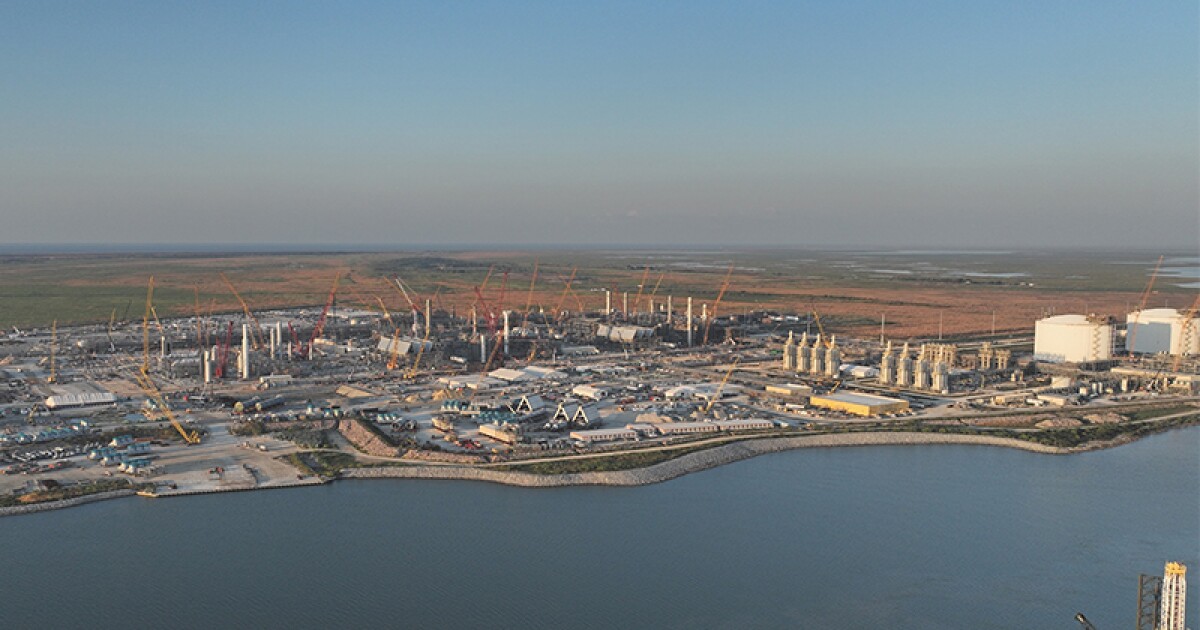
If Golden Pass LNG starts up as planned later this year, it will not only add 18.1 million tons per year of liquefaction capacity to the Gulf Coast but also create a whole new level of destination flexibility for US-sourced LNG.
The market's keen interest in the $10 billion greenfield terminal's progress is largely driven by its ability to bring geographical balance to the Asia-heavy LNG portfolios of co-owners Exxon Mobil and QatarEnergy while boosting the flow of US cargoes to Europe.
"Golden Pass will give QatarEnergy greater flexibility in terms of market destinations and diversification of shipping routes, an increasingly valuable asset in the wake of the Middle East conflicts involving Israel, Iran and its proxies," Leslie Palti-Guzman, founder of strategic advisory Energy Vista, told Energy Intelligence.
That flexibility stems from the project's unique operational structure. QatarEnergy and Exxon will offtake 100% of the terminal's 2.6 billion cubic feet per day of capacity directly proportional to their ownership stakes — 70% and 30%, respectively — meaning none of the LNG will be committed via contract to any specific customer or market.
And because Golden Pass is being funded by the balance sheets of two of the world's most deep-pocketed energy companies, it has considerable control over its own supply, "given that the sponsors did not need to 'project finance,' with all the constraints that brings," an industry source said.