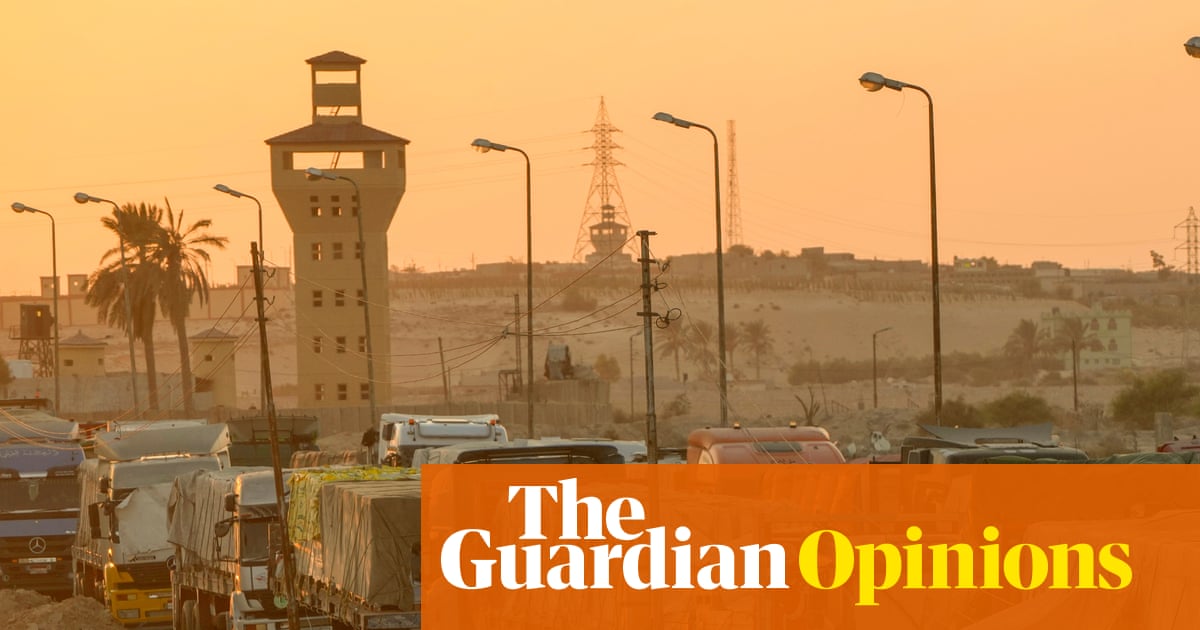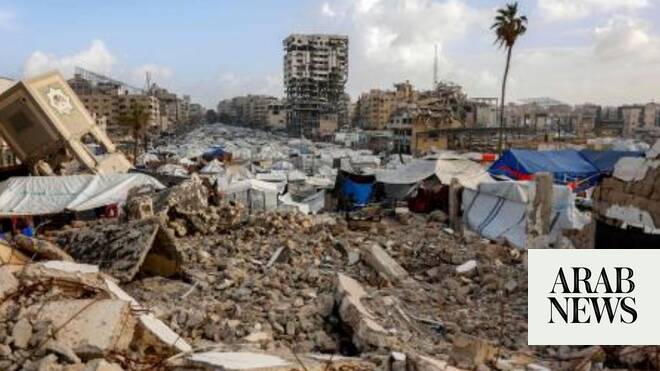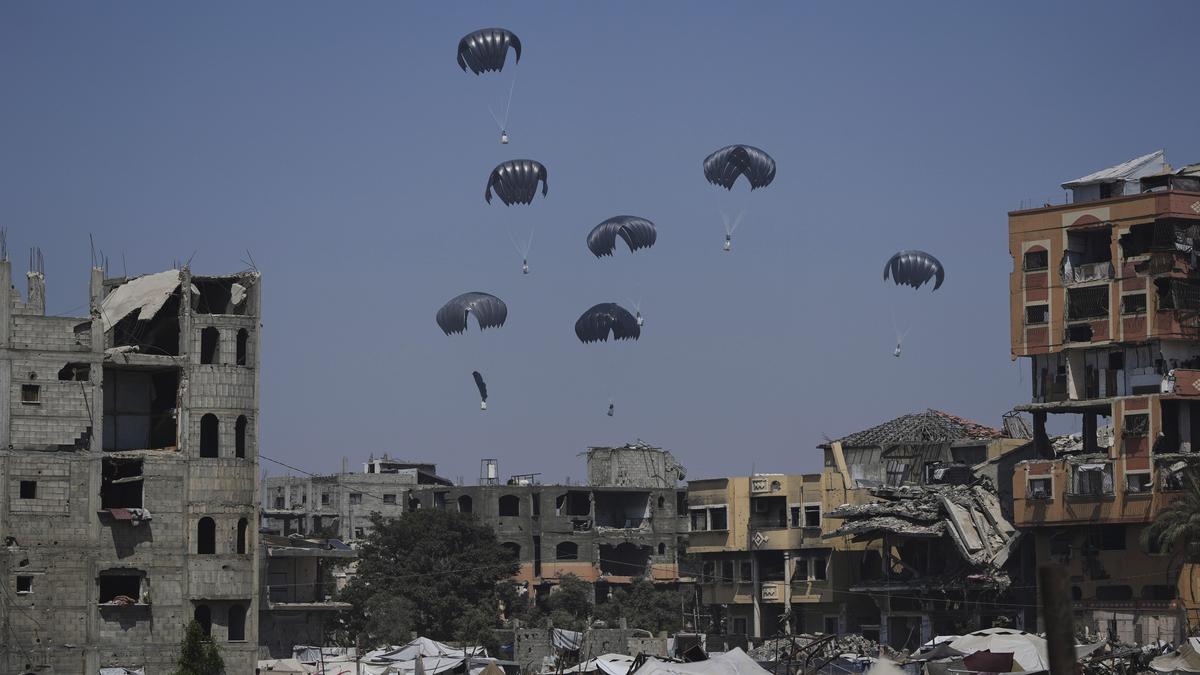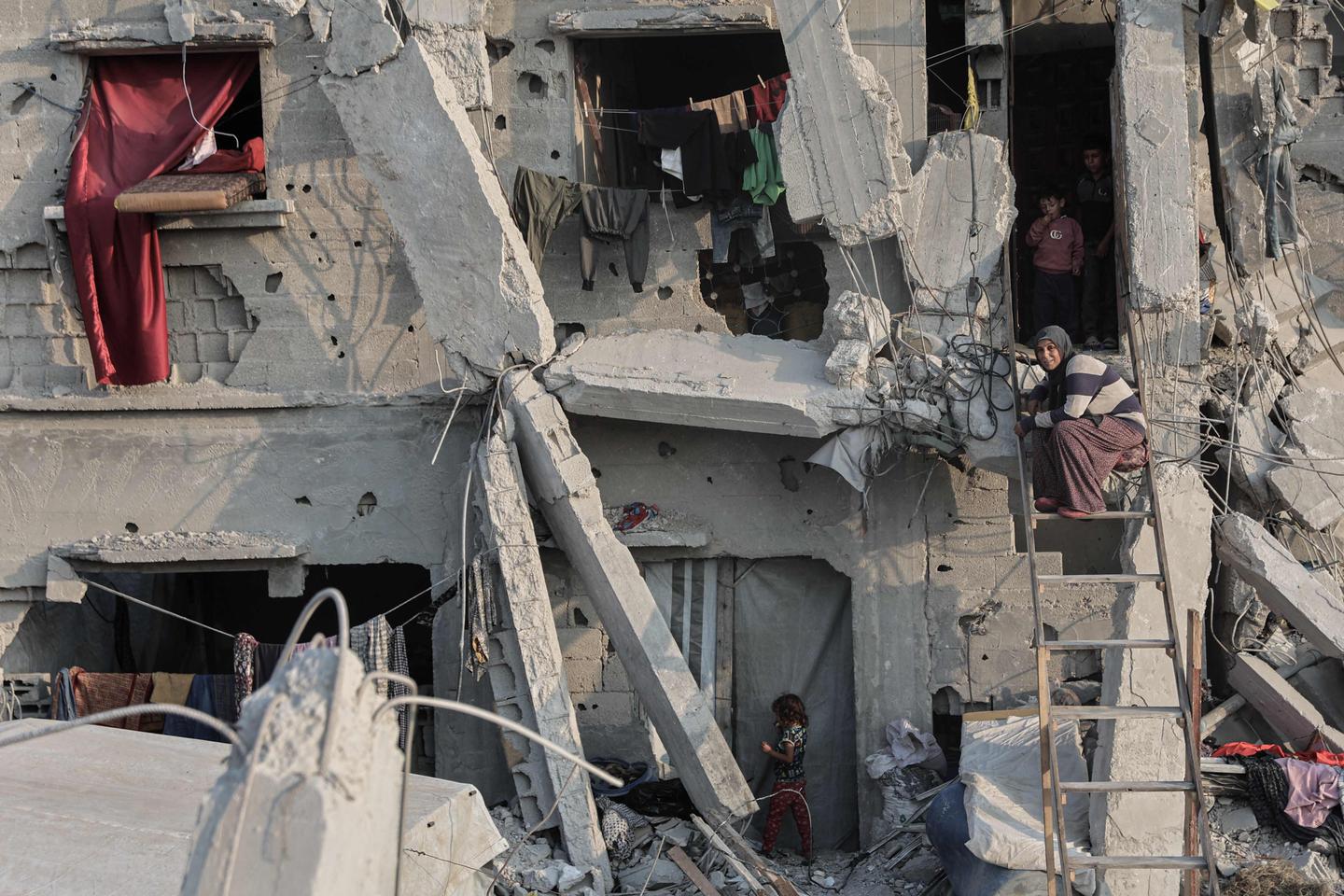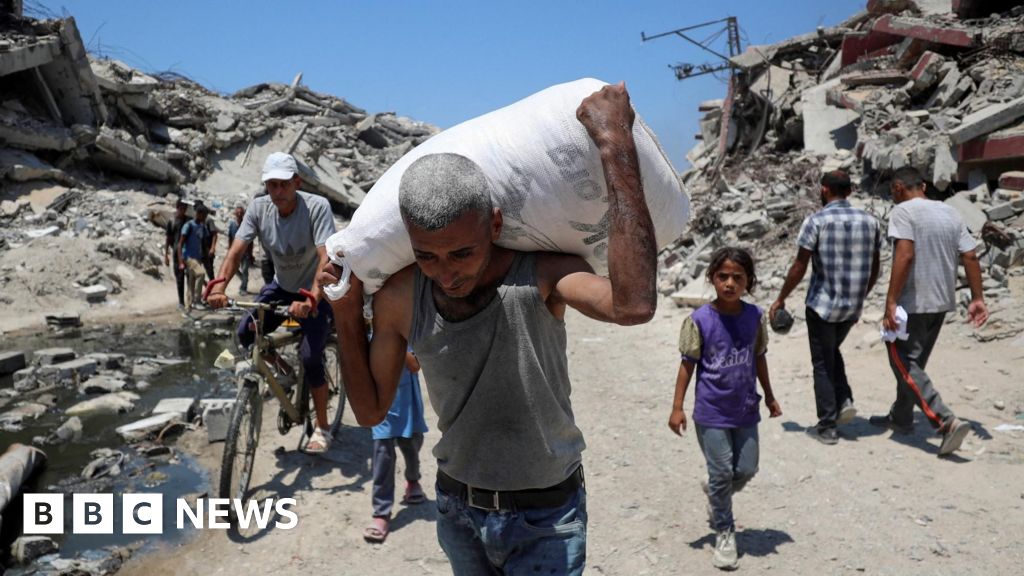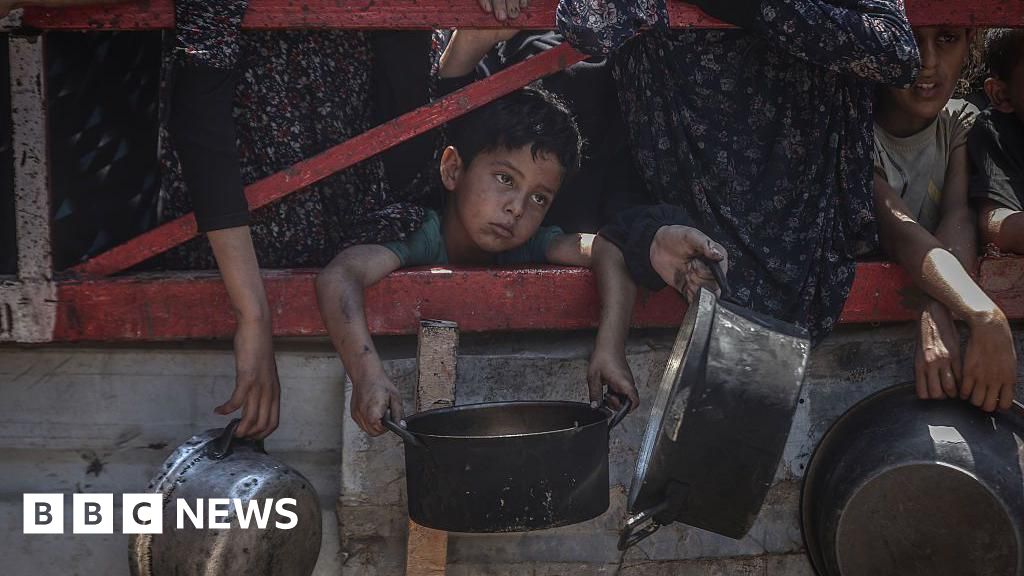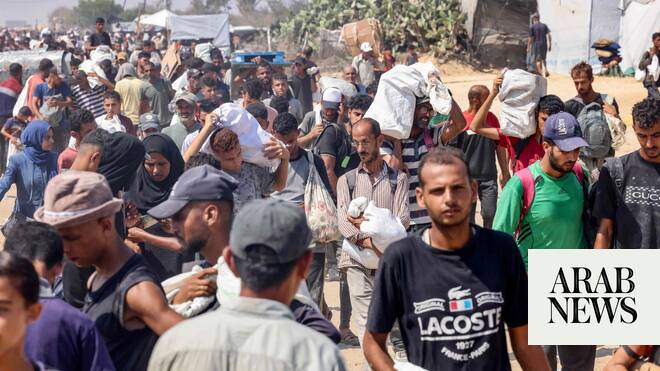
NEW YORK CITY: The UN has outlined a comprehensive plan to scale up humanitarian aid for Gaza should a ceasefire or pause in hostilities be agreed. However, it warned that the current conditions on the ground pose major obstacles that must be addressed to make such a response feasible.
The plan, designed for an initial 30-day period but extendable depending on conditions, emphasizes the urgent need to address life-saving needs across the territory, in which the population continues to suffer the effects of what aid organizations describe as a looming famine.
The document identifies 11 major barriers to the effective delivery of aid, ranging from threats to aid workers and logistical delays to bureaucratic restrictions and damage to roads.
Among the most urgent concerns is the threat to the safety of humanitarian staff and facilities. Escalating hostilities near humanitarian routes and designated convoy areas have severely constrained movement and delivery capacities.
At the same time, the collapse of the civilian police force has contributed to widespread insecurity, particularly at border crossings and along aid routes, which are increasingly vulnerable to looting and interference by armed gangs.