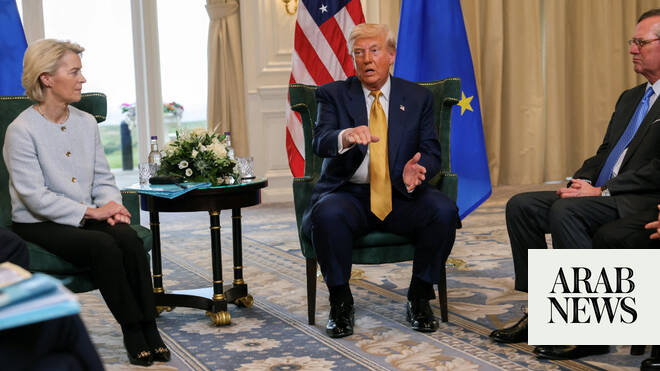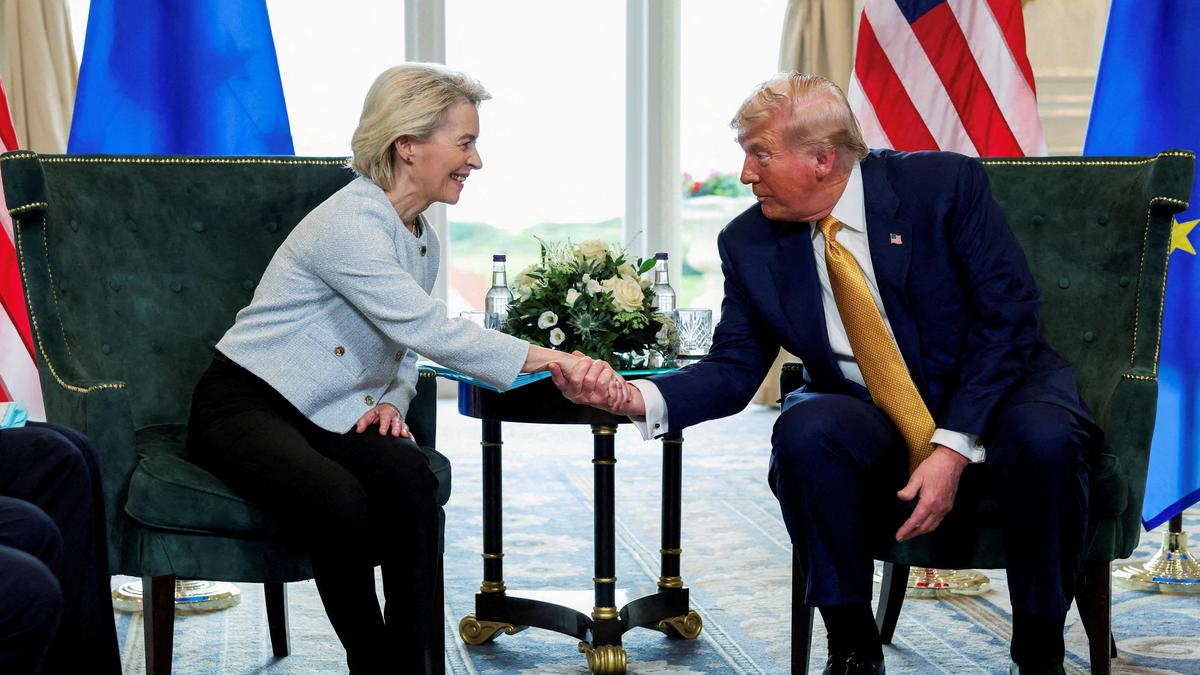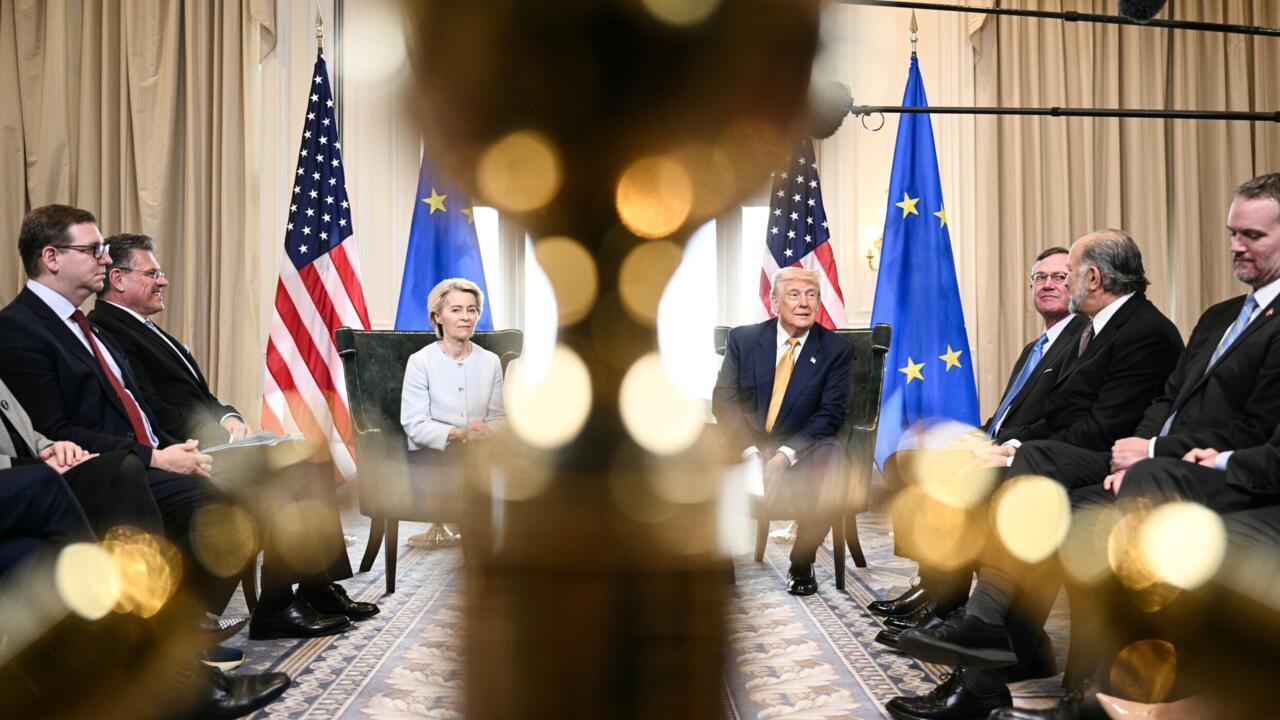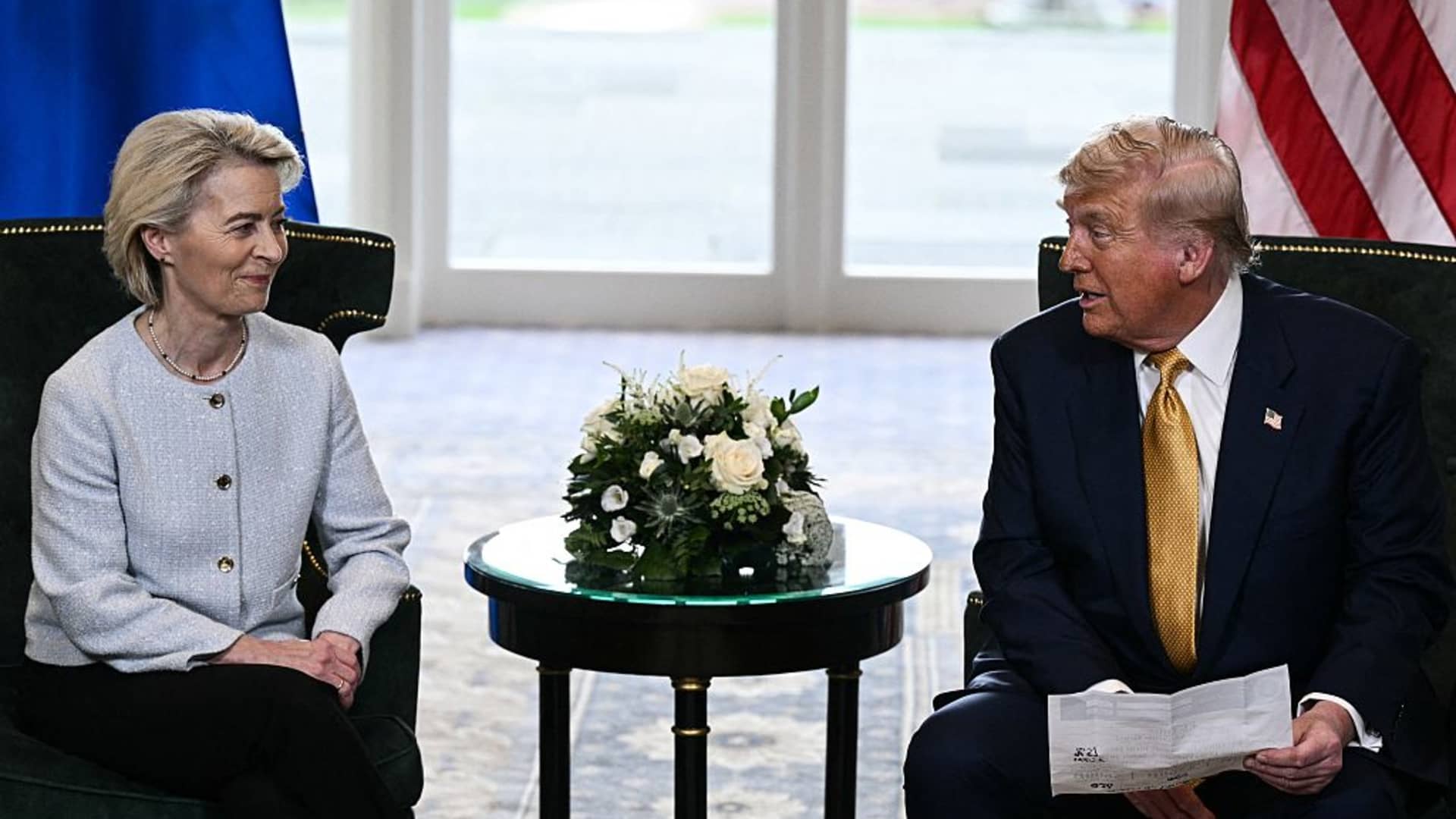
After an initial sigh of relief at the U.S. and European Union avoiding further escalation by striking a trade agreement, concerns have grown that the framework deal is “unbalanced” and leaves Europe on the backfoot.
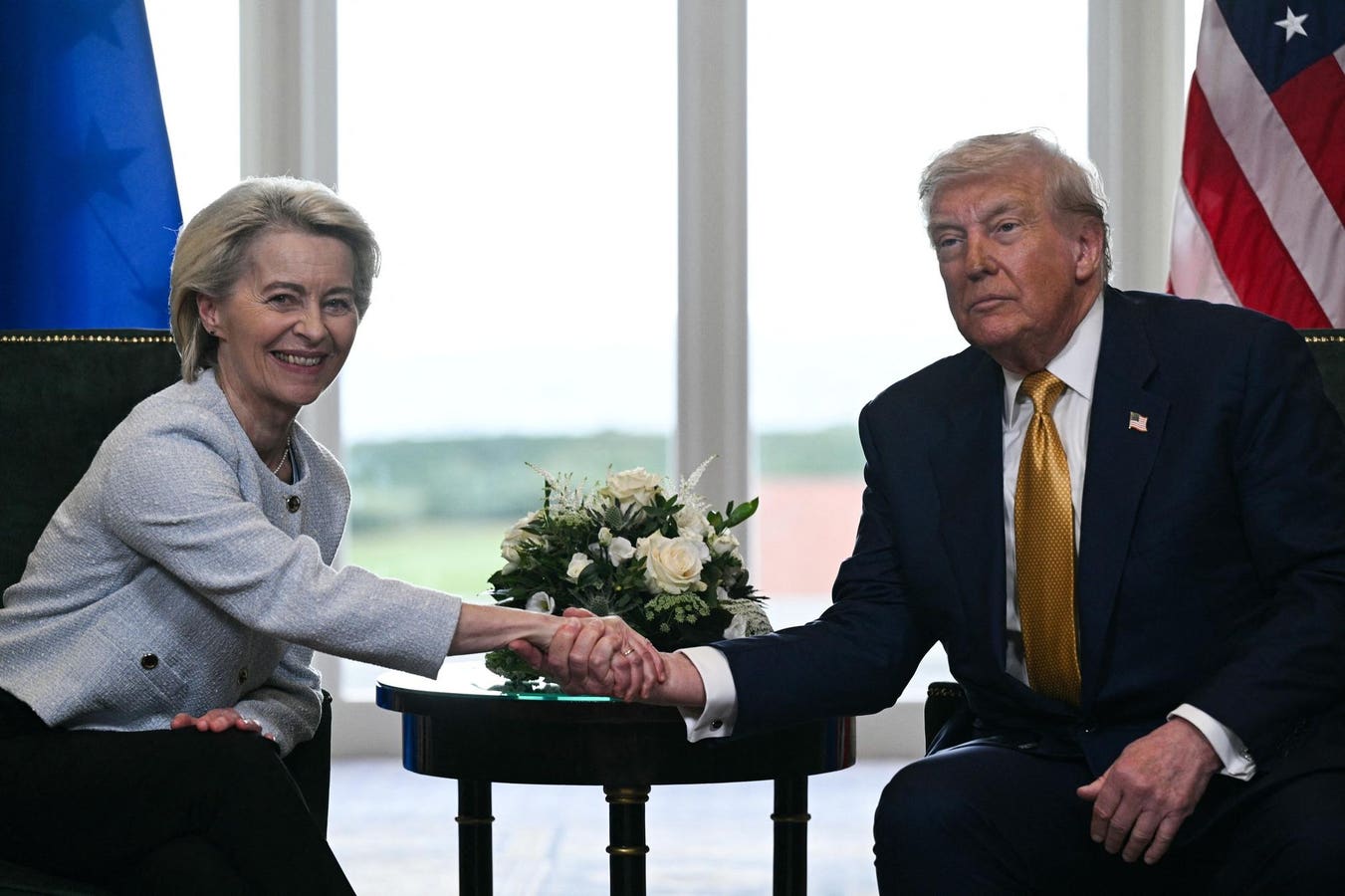
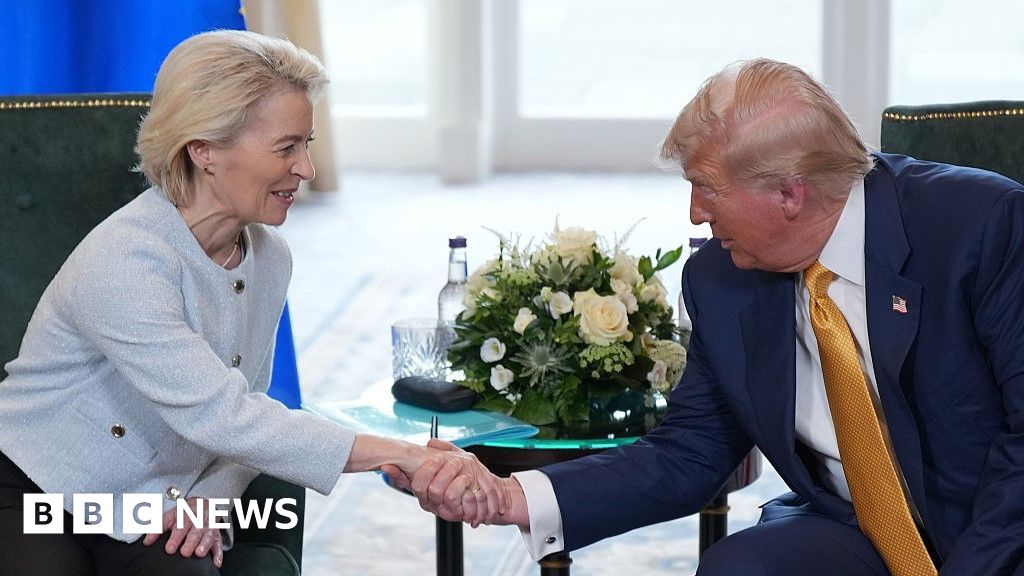
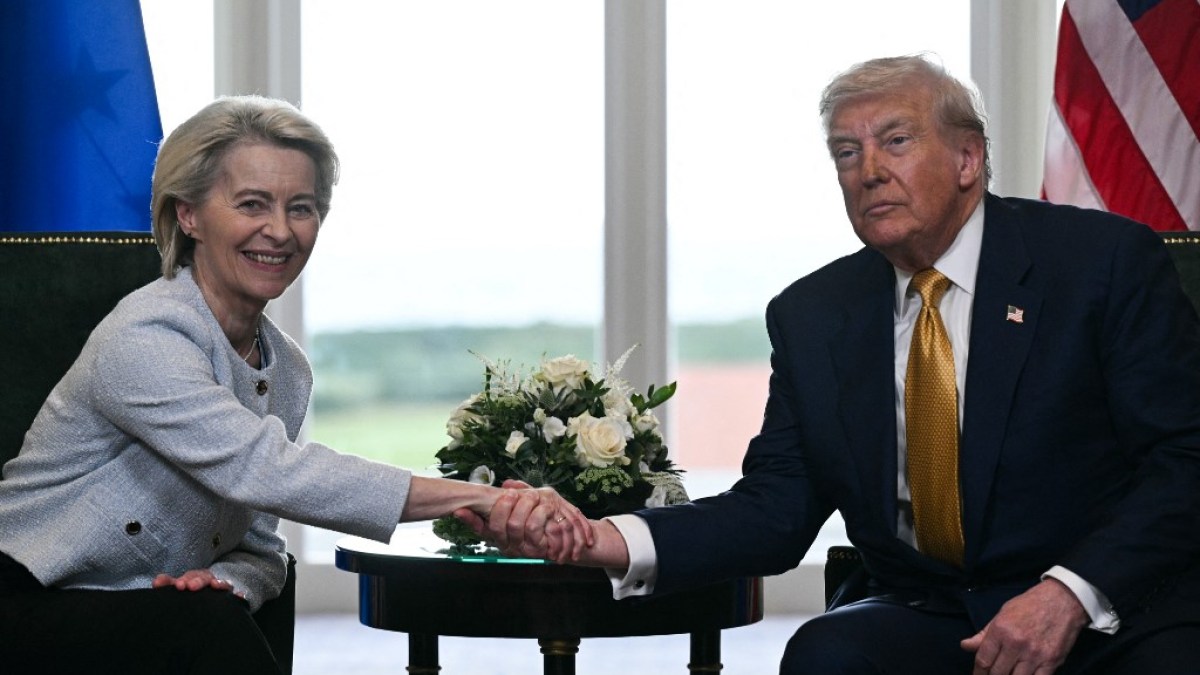
The two trading partners on Sunday announced an agreement that includes a 15% tariff rate on most EU goods to the U.S.
Some goods like aircraft components and certain chemicals are not set to be hit by tariffs, while autos will see duties reduced to the 15% rate. The agreement also includes provisions for the EU purchasing U.S. energy and increasing its investments in the country.
The agreement halves the 30% tariff rate U.S. President Donald Trump had threatened the EU with and avoids any further escalation through for example countermeasures. Yet analysts and economists remain cautious as to the impact on both sides as negotiations are still set to take place.
“It’s a climb down from a much worse place,” Cailin Birch, global economist at The Economist Intelligence Unit, told CNBC’s “Europe Early Edition” on Monday. However, she noted, “a 15% tariff is still a big escalation from where we were pre-Trump 2.0.”