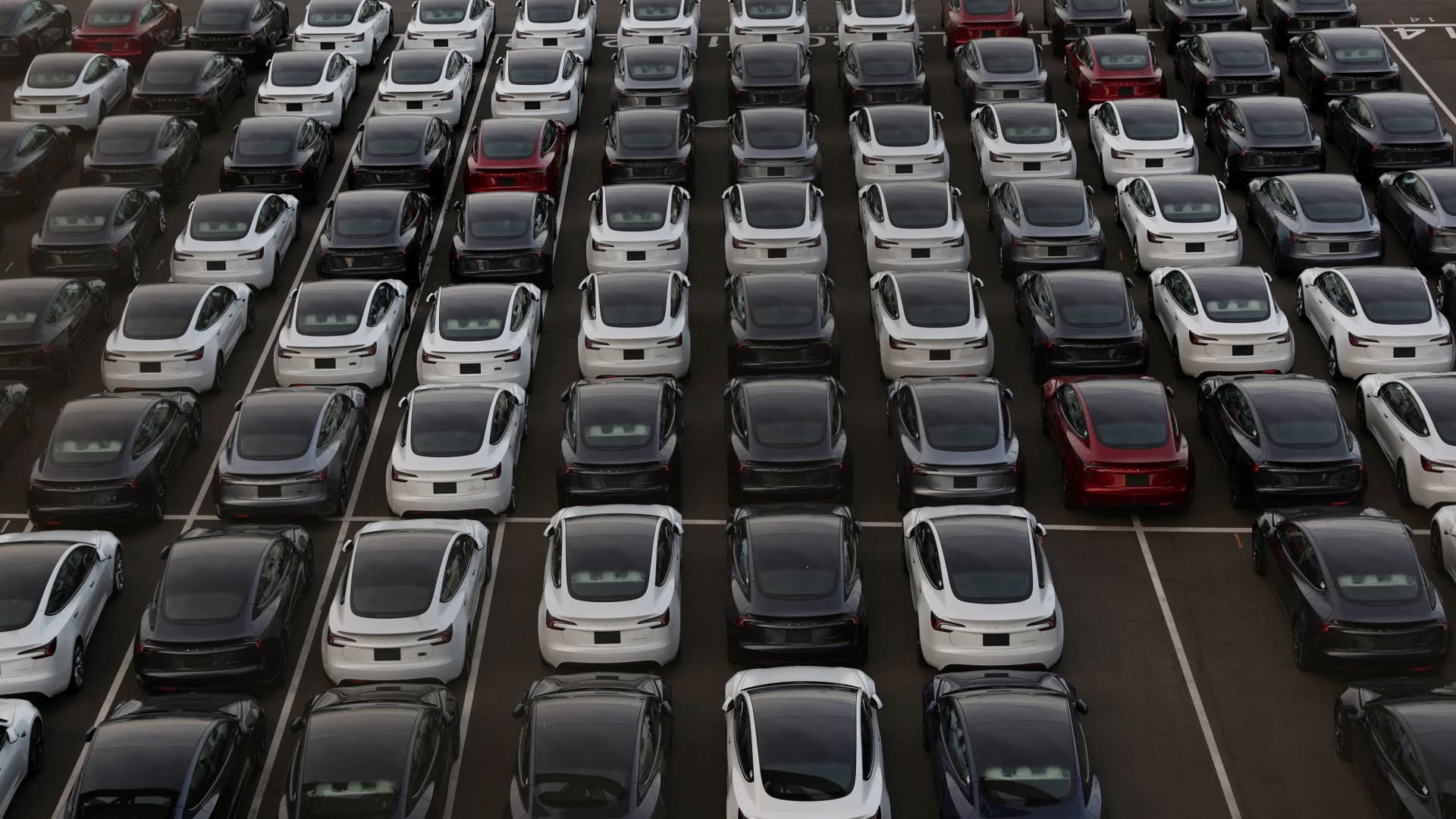
Japanese automakers may have sidestepped crushing U.S. tariffs, but the reprieve is offering little comfort as Chinese automakers erode their long-held global edge, complicated by persistent structural challenges at home.
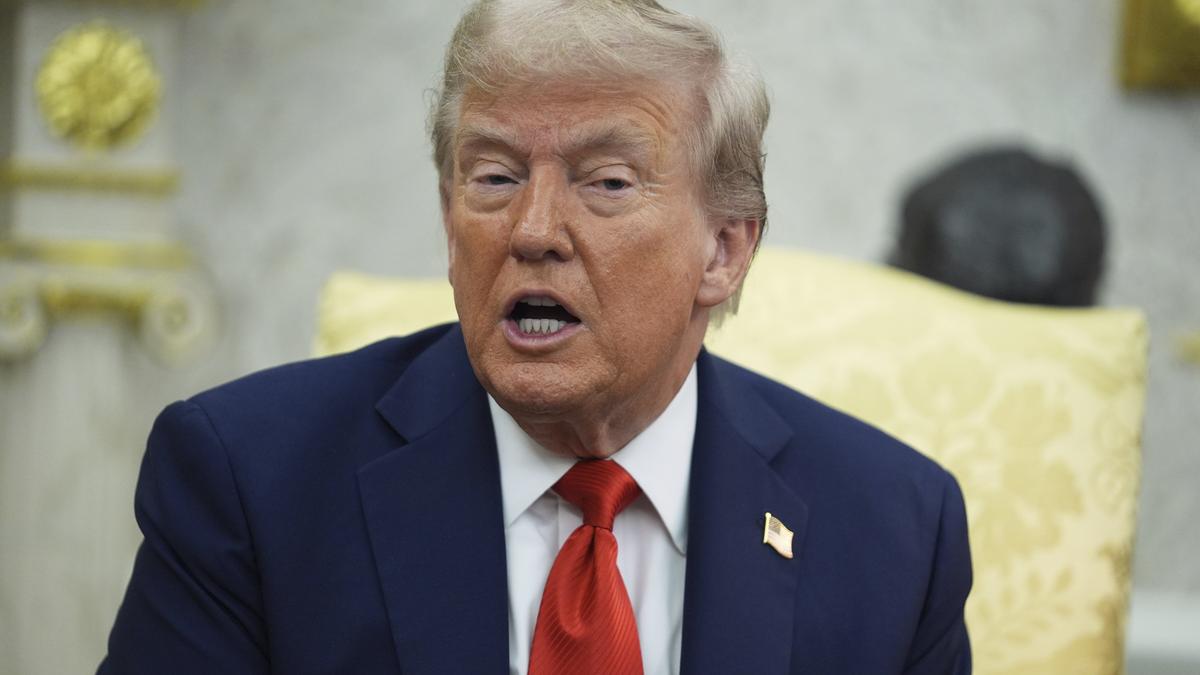
On July 22, U.S. President Donald Trump announced that auto tariffs on Japan-made vehicle imports to the U.S. were lowered to 15% from the current 25%.
However, the light isn’t at the end of the tunnel just yet, industry experts cautioned.
“The trade deal struck with the U.S. is certainly a relief in that it offers some certainty that U.S. tariffs on Japan-made cars won’t rise to punitive levels,” said Stefan Angrick, head of Japan and Frontier market economics at Moody’s Analytics.
“But I’d hesitate to call it good news. A 15% U.S. import tariff is still significantly higher than where Japan started. And a 15% tariff is certainly a higher rate than most had expected.”