I
n light of growing evidence of democratic backsliding and rising authoritarianism worldwide, digital media are increasingly seen as central drivers of these trends – both for their well-documented role in amplifying illiberal and radical right-wing politics, and for their known susceptibility to foreign manipulation. This perception is arguably reinforced by media coverage of some of the recent elections, from France to the United States to Romania, highlighting the importance of video platforms, influencers and podcasters for electoral mobilization, as well as raising alarms about Russian interference.
However, if we step back from the narrow focus on electoral campaigns in countries with relatively pluralistic news markets, and take a look at the broader political information environment shaping citizens' opinions, we can often see that it is the mainstream media and domestic actors – rather than social media and hostile foreign powers – who assume the central role in the dissemination of false information, and in the promotion of illiberal attitudes.
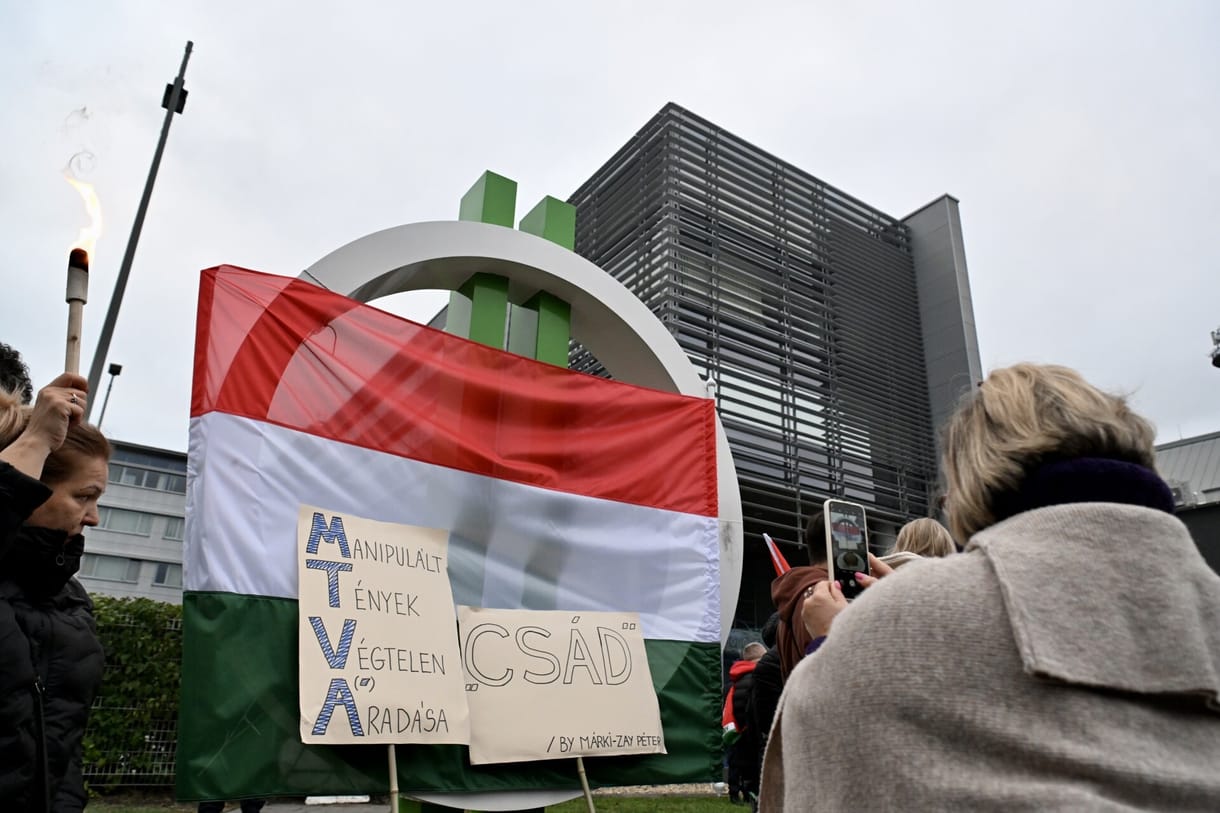
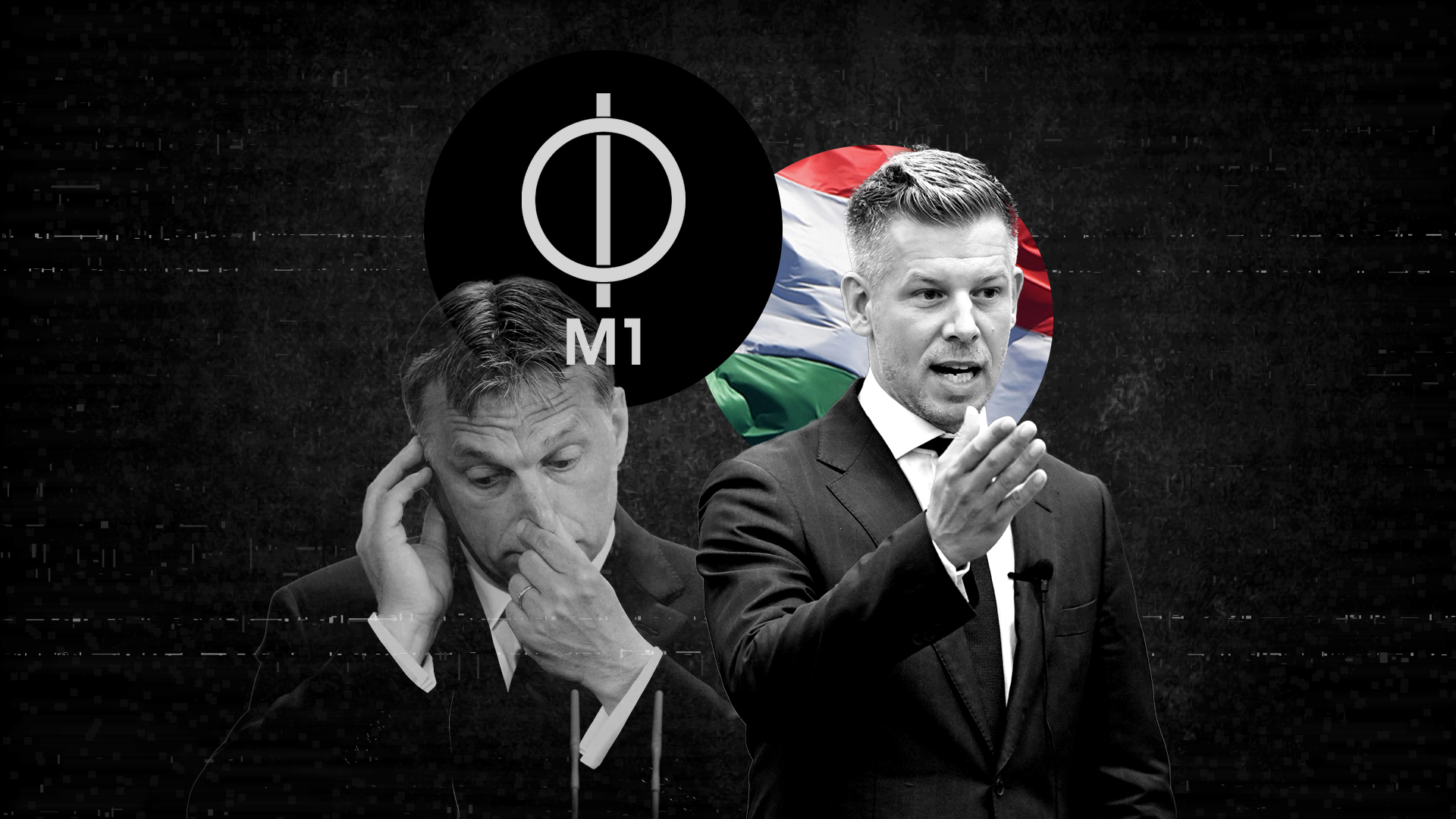
Our own research on the rise of illiberalism in Eastern Europe highlights many such examples, while at the same time showing that under certain conditions – namely, wherever the majority of the mainstream media market has been captured by illiberal political actors or their business allies – social media can act as channels of resistance against the forces of illiberalism.