Even as the Punjab government asserts it is taking proactive steps to manage its debt obligations, economic experts have raised concern that the State is increasingly relying on additional loans, driven by “competitive political populism”, leading to a significant rise in debt liability.
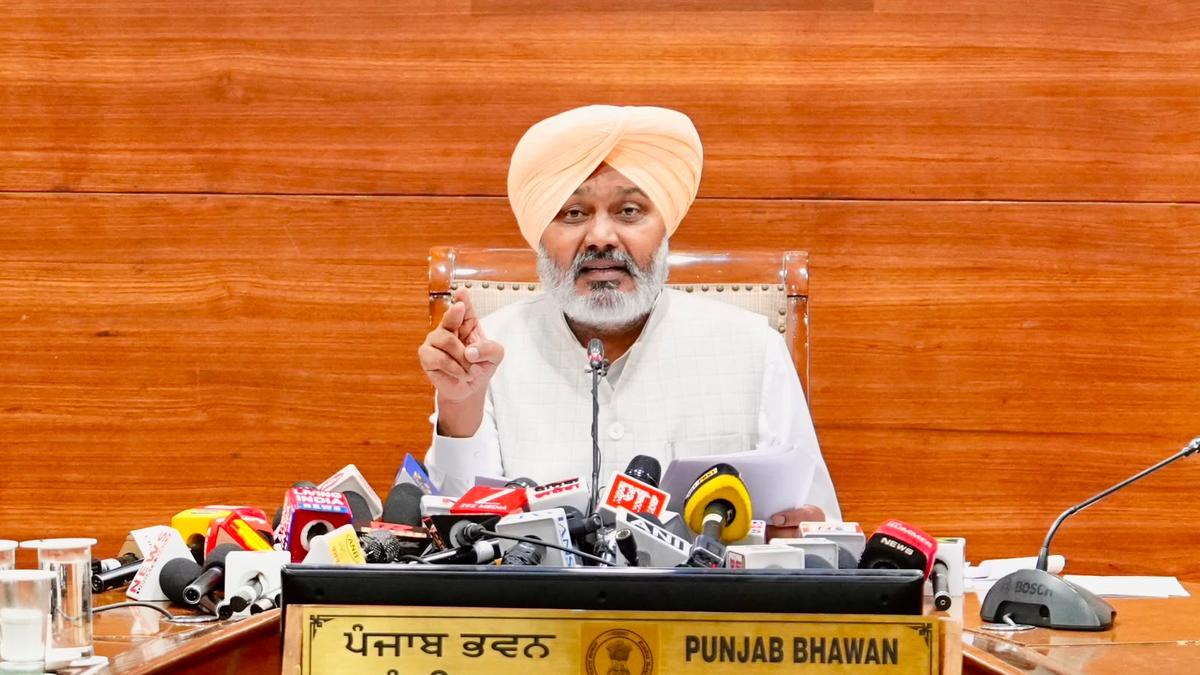
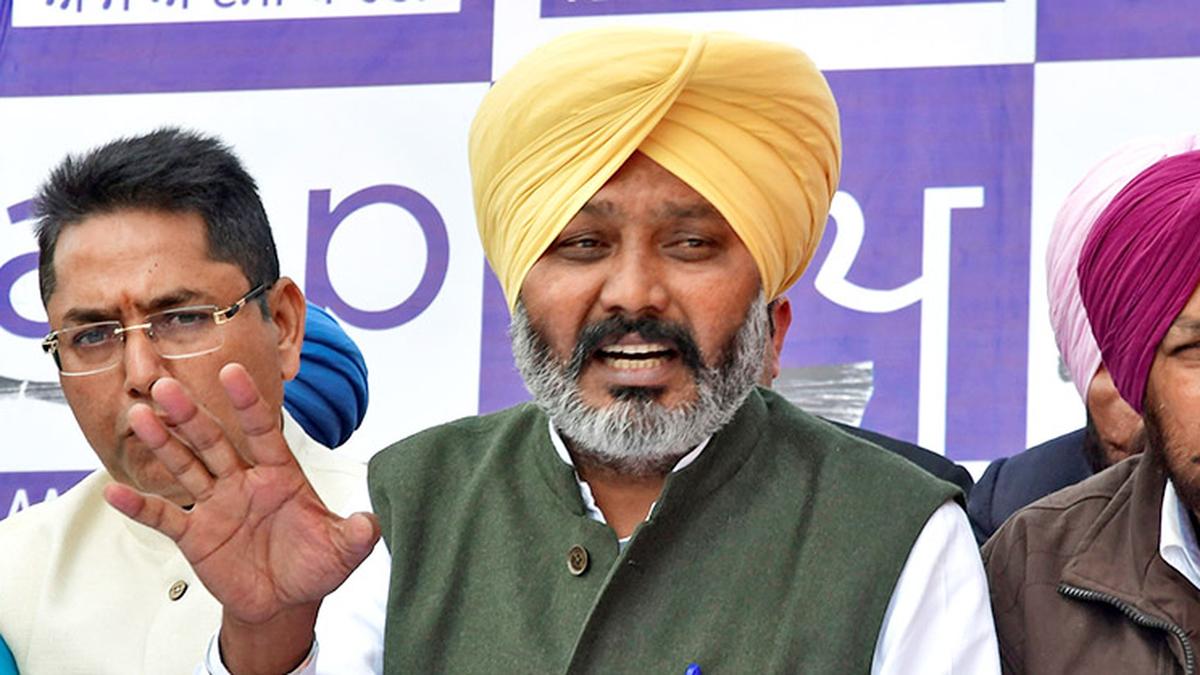
Earlier this month, Punjab Finance Minister Harpal Singh Cheema stated that the government would borrow ₹8,500 crore in the second quarter of the current financial year to meet redemption obligations of over ₹3,500 crore for ‘legacy debt’ incurred during the previous Shiromani Akali Dal–Bharatiya Janata Party and Congress governments.
A recently published academic paper titled Walking with Punjab’s Economy, authored by economist Ranjit Singh Ghuman, notes that steadily rising outstanding debt has pushed Punjab into a debt trap. The annual average increase in debt during the first three financial years of the Aam Aadmi Party (AAP) government (2022–23 to 2024–25) has been ₹33,721 crore.
While Punjab’s debt liability has shown a steady upward trend over the years, the past decade has seen a particularly sharp rise. The outstanding debt stood at ₹1,28,836 crore in 2015–16 and jumped to ₹1,82,526 crore in 2016–17, largely due to the conversion of ₹30,584 crore in Cash Credit Limit into long-term debt. The debt increased to ₹2,81,773 crore (48.24% of Gross State Domestic Product) in 2021–22, to ₹3,14,221 crore (46.68%) in 2022–23, ₹3,46,185 crore (46.66%) in 2023–24, and further to ₹3,82,935 crore (47.30%) in 2024–25. It is expected to rise to ₹4,17,136 crore (46.80%) by the end of 2025–26.