Oil lamp fragments point to presence of previously unknown Jewish population in Ibero-Roman town of Cástulo
Seventeen centuries after they last burned, a handful of broken oil lamps could shed light on a small and long-vanished Jewish community that lived in southern Spain in the late Roman era as the old gods were being snuffed out by Christianity.
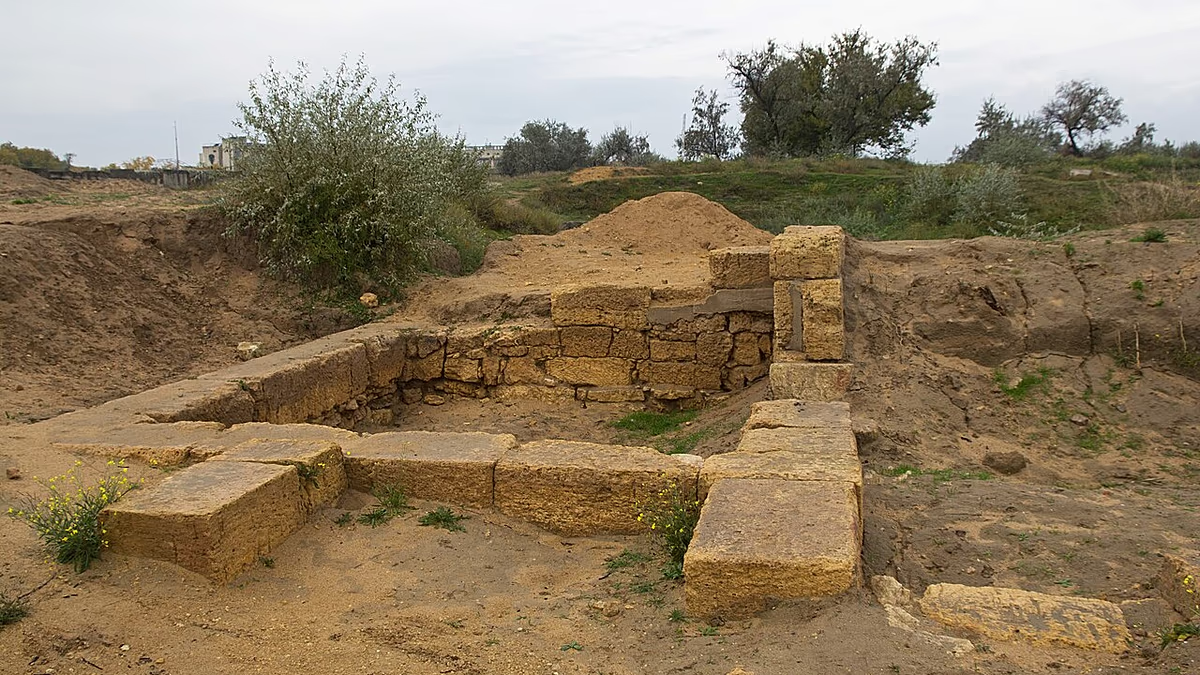
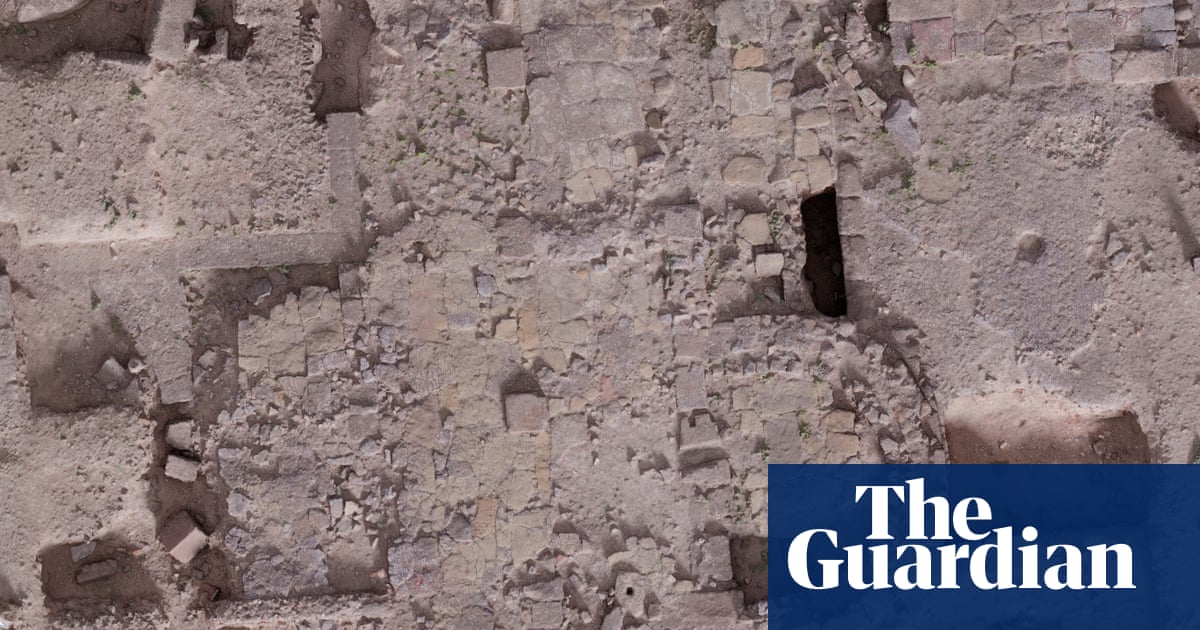
Archaeologists excavating the Ibero-Roman town of Cástulo, whose ruins lie near the present-day Andalucían town of Linares, have uncovered evidence of an apparent Jewish presence there in the late fourth or early fifth century AD.
As well as three fragments of oil lamps decorated with menorahs and a roof tile bearing a five-branched menorah, they have also come across a piece of the lid of a cone-shaped jar bearing a Hebrew graffito. While experts are split over whether the engraving reads “light of forgiveness” or “Song to David”, its very existence points to a previously unknown Jewish population in the town, which eventually fell into decay and abandonment 1,000 years later.
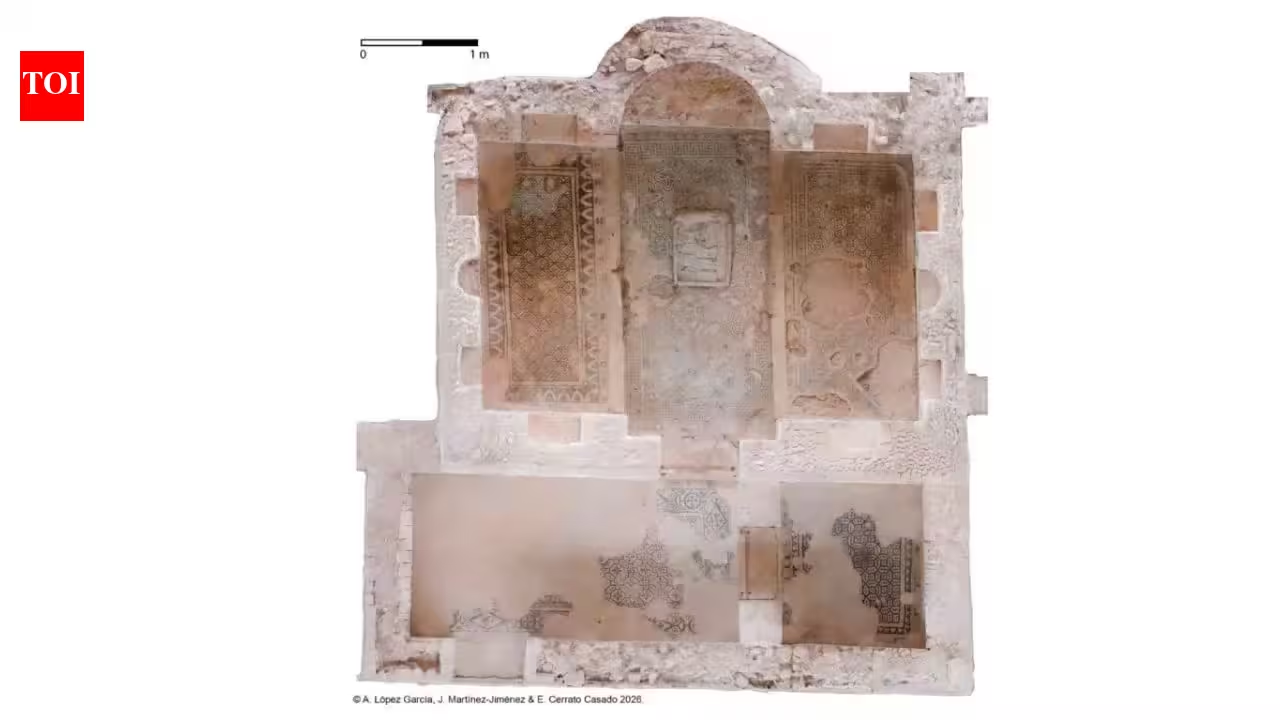
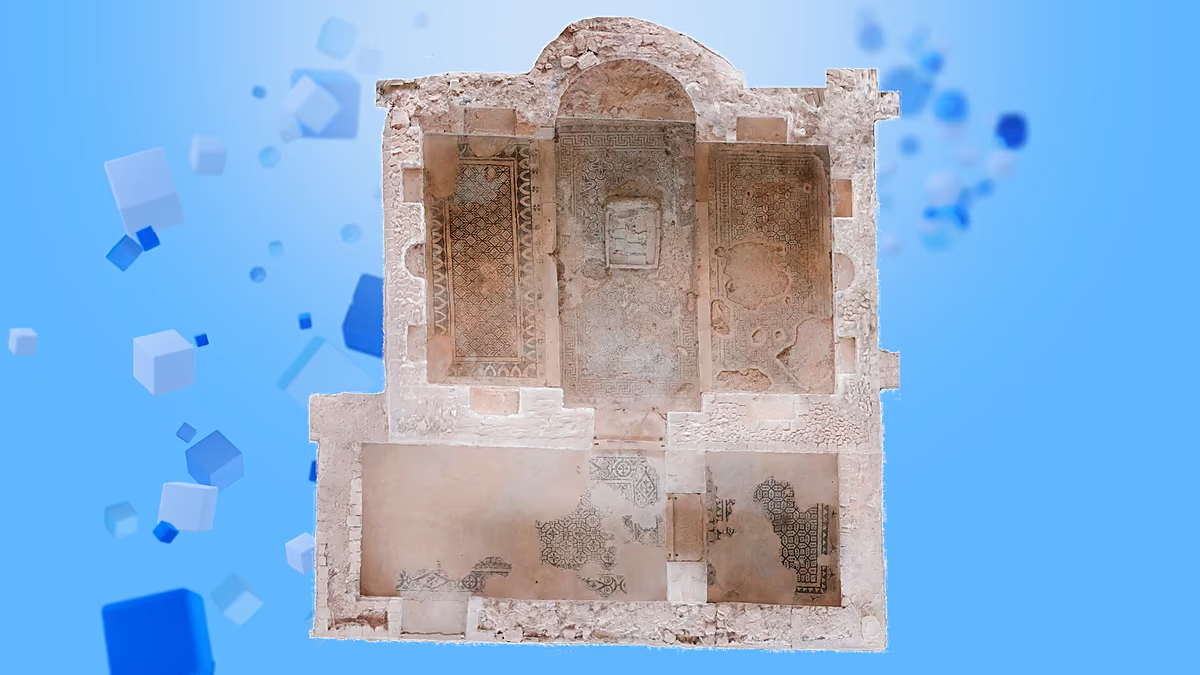
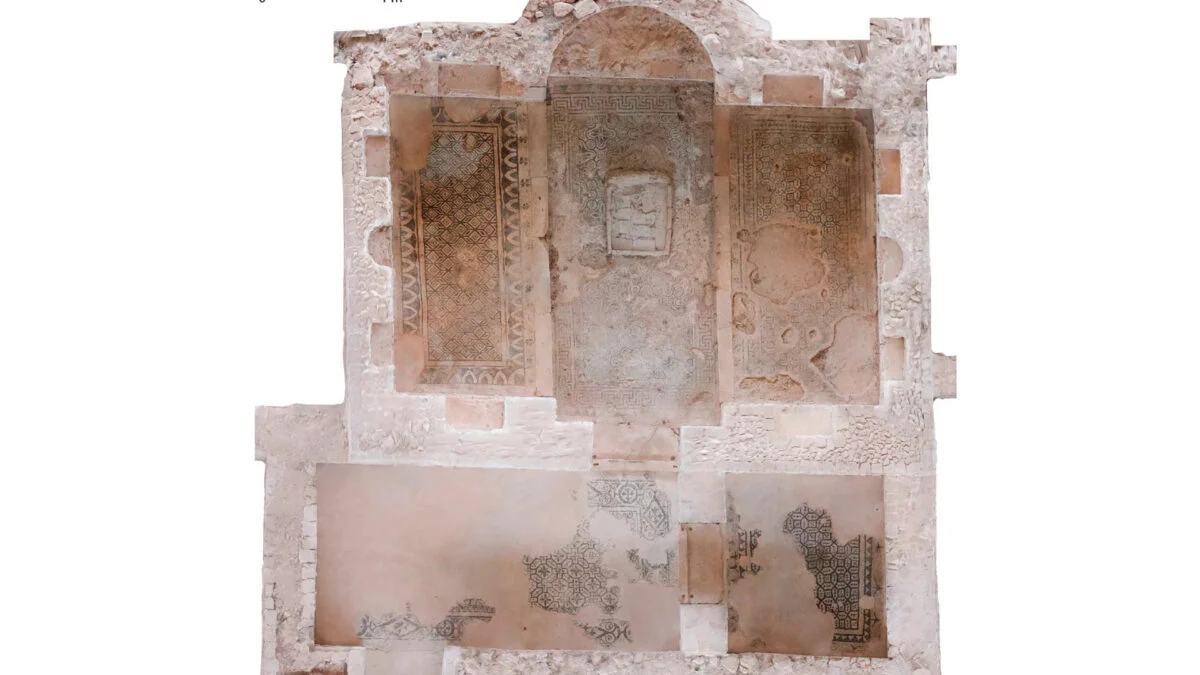
The discovery of the materials has led the team to consider whether the ruins of a nearby building, assumed to be an early Christian basilica dating from the fourth century AD, could perhaps have been a synagogue where Cástulo’s Jewish community came to worship.