Some Chinese consumers are asking whether US membership-only bulk retailer has begun to misread the market
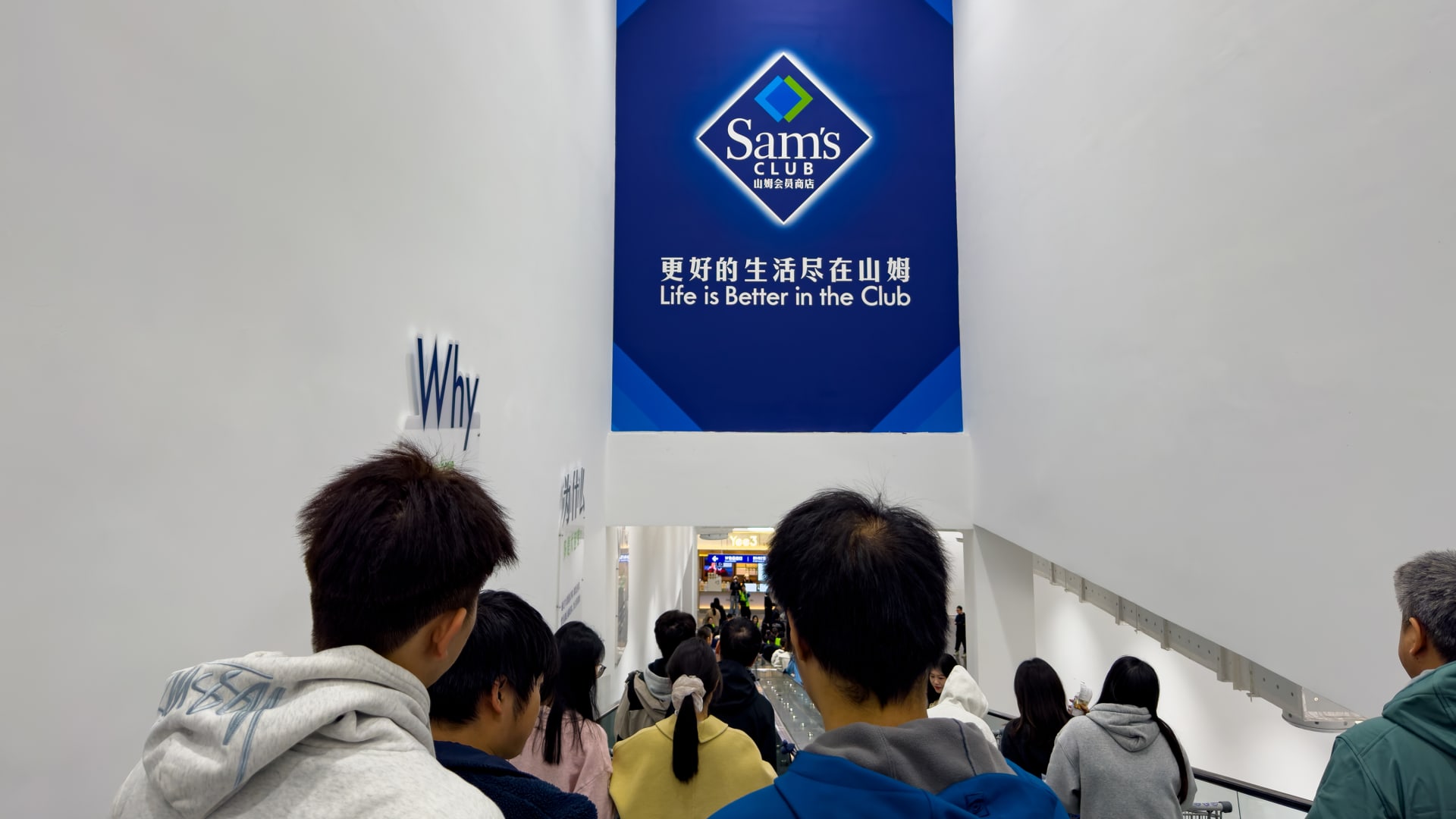
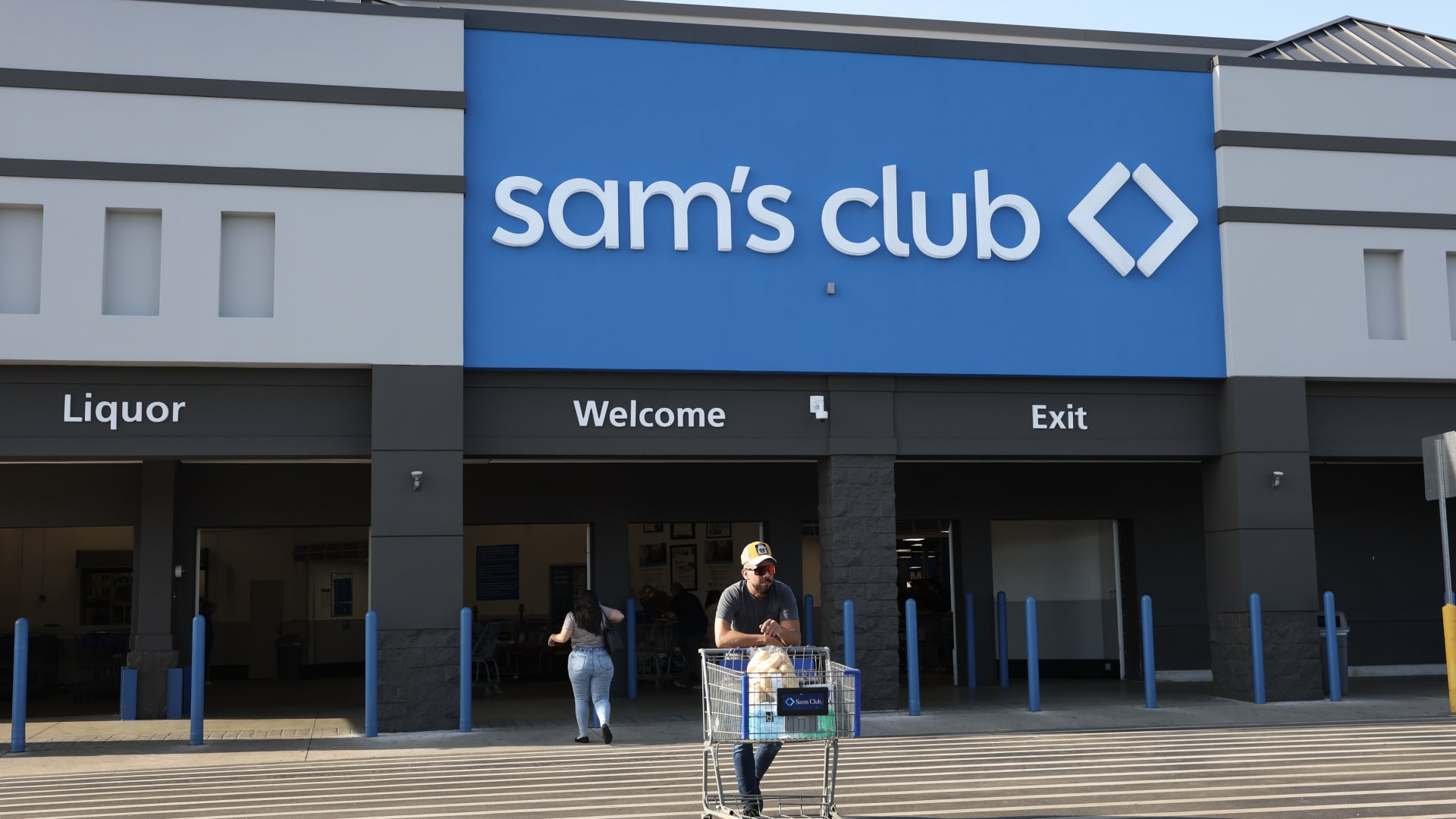
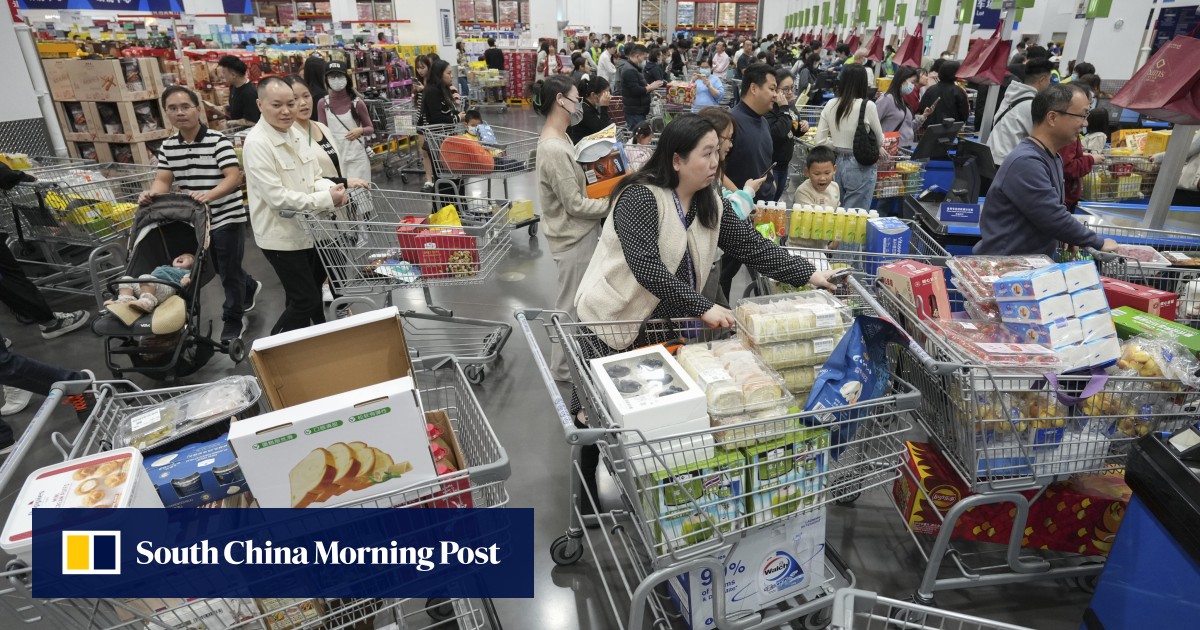
Sam’s Club, the US membership-only bulk retailer owned by Walmart, has long been seen as one of the foreign supermarkets most attuned to the needs of China’s middle class.
Each year, millions of urban Chinese families pay a 260 yuan (US$36.28) annual fee in exchange for what they see as access to a globally curated, quality lifestyle - featuring products like Scotch whisky, Chilean dried prunes, and chilled beef from the United States and Australia.
That selection has come to symbolise a middle-class sensibility attuned to globally focused consumption. But that premium image was shaken recently when Sam’s Club stores in China began stocking a domestically made chocolate pie - priced at 49.9 yuan for a pack of 48 – touching a nerve among its loyal membership base.
Well-known for its low price, the pie in question is often found in neighbourhood convenience stores or corner shops in China. But it falls short of what many health-conscious, quality-driven Chinese middle-class shoppers consider “decent” or “premium”.