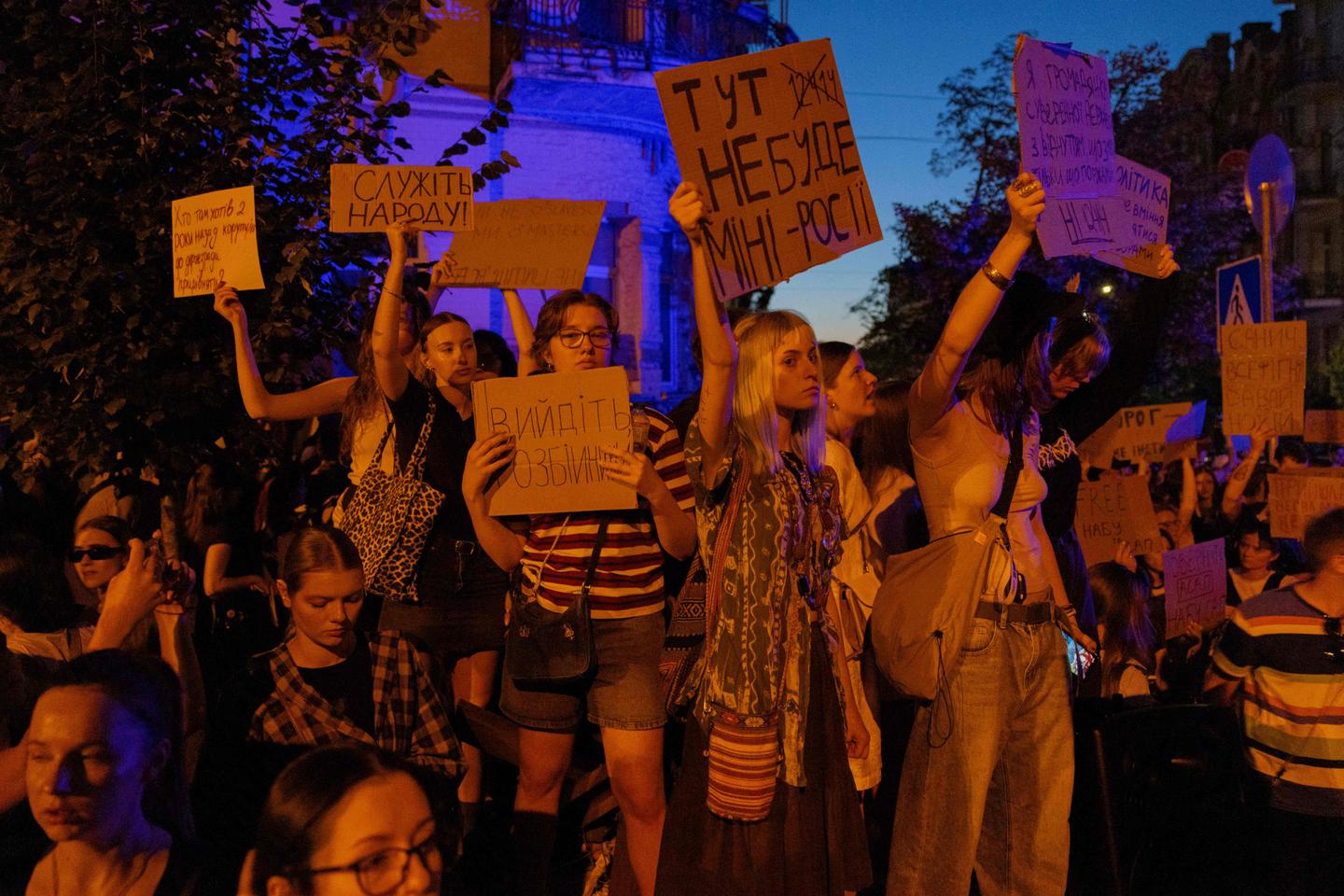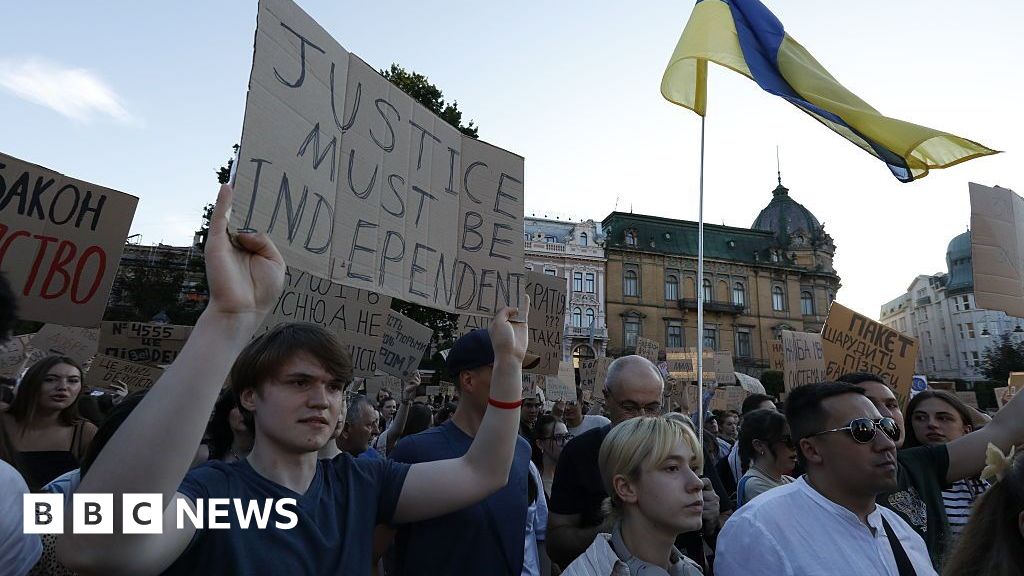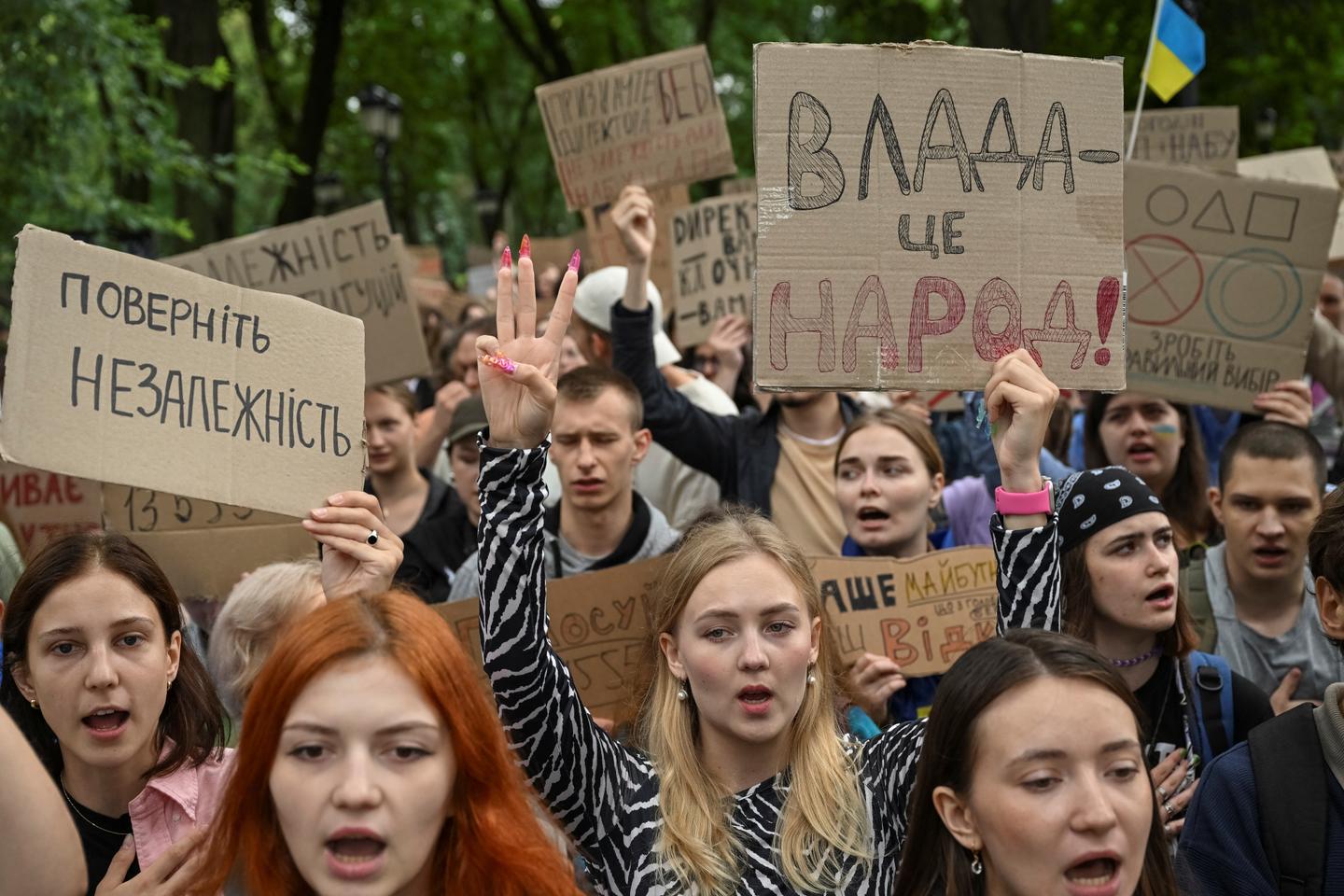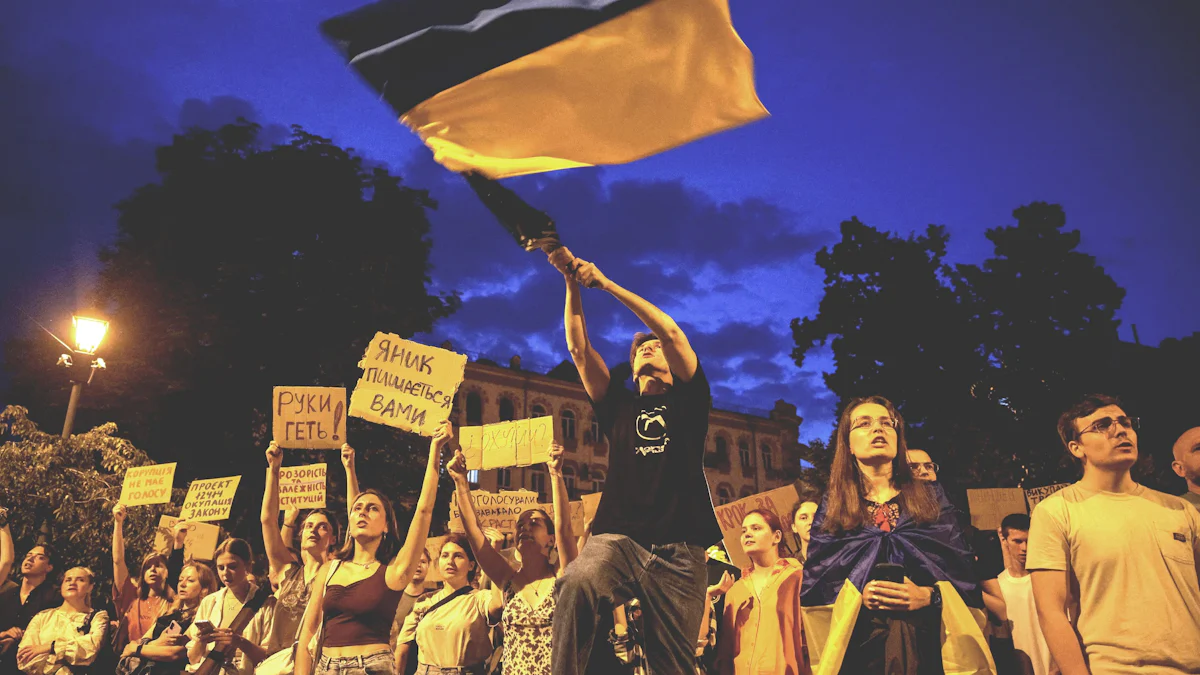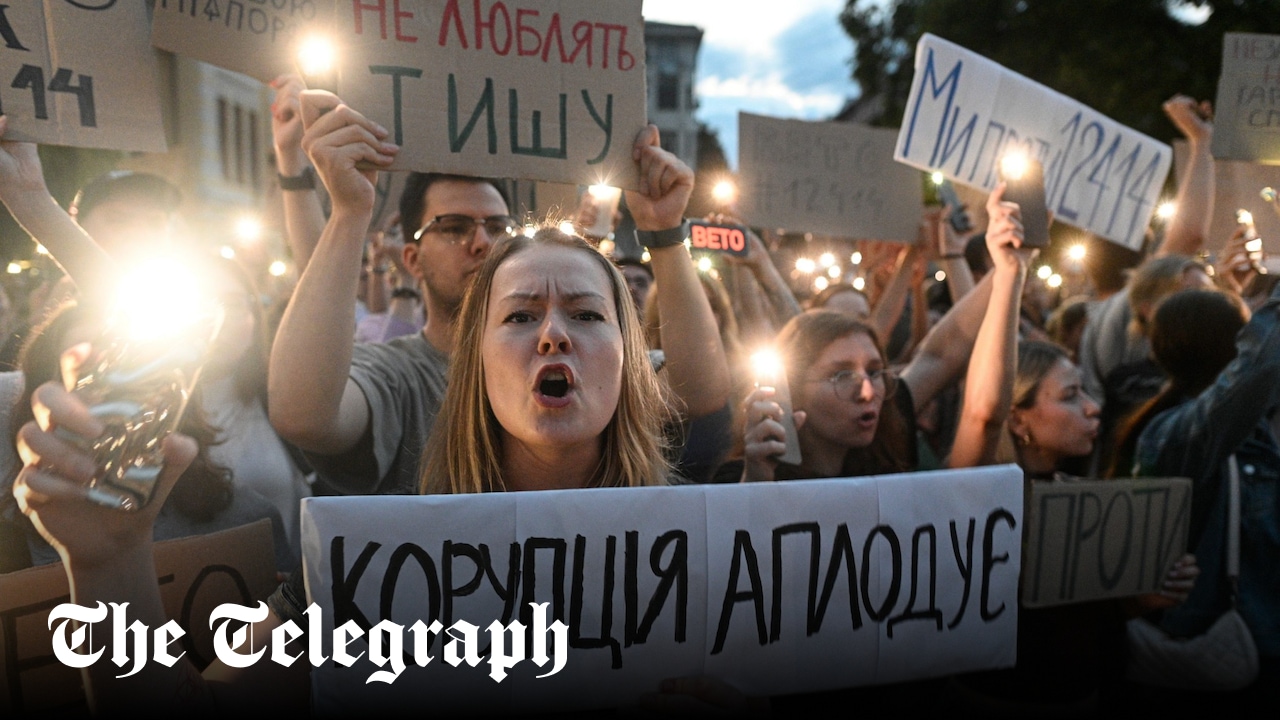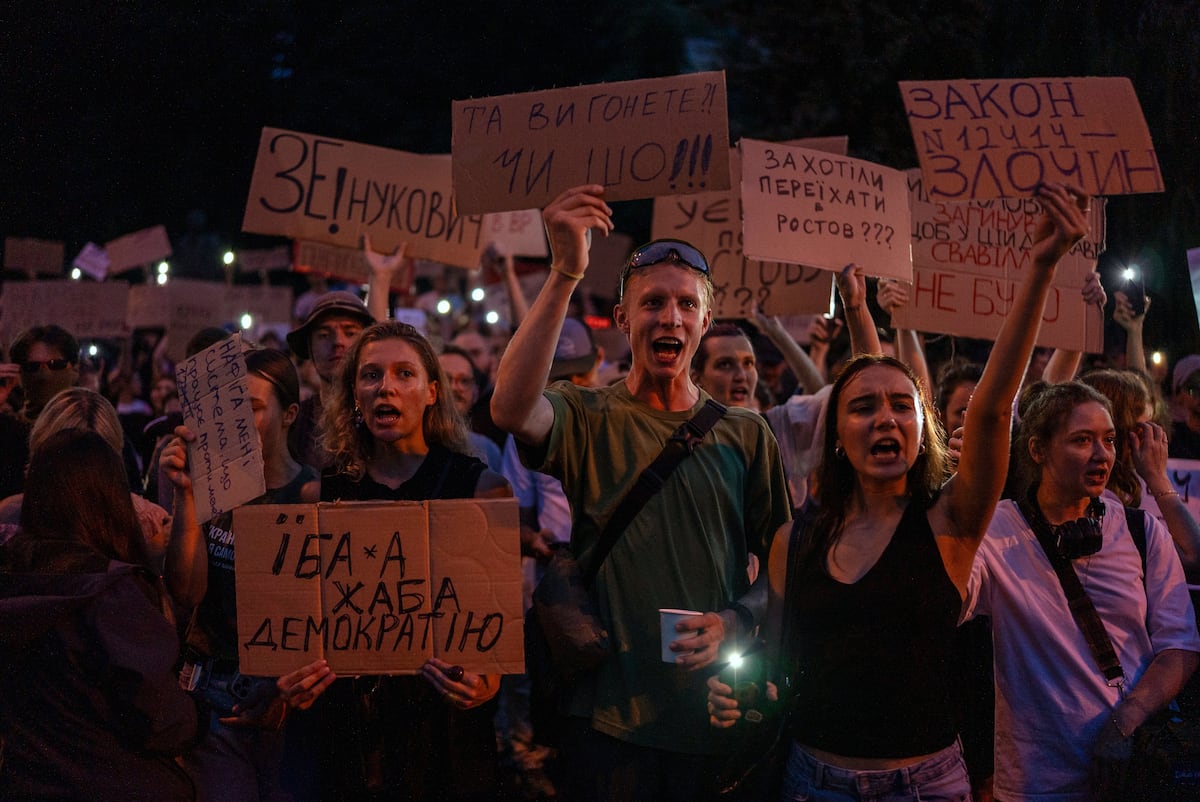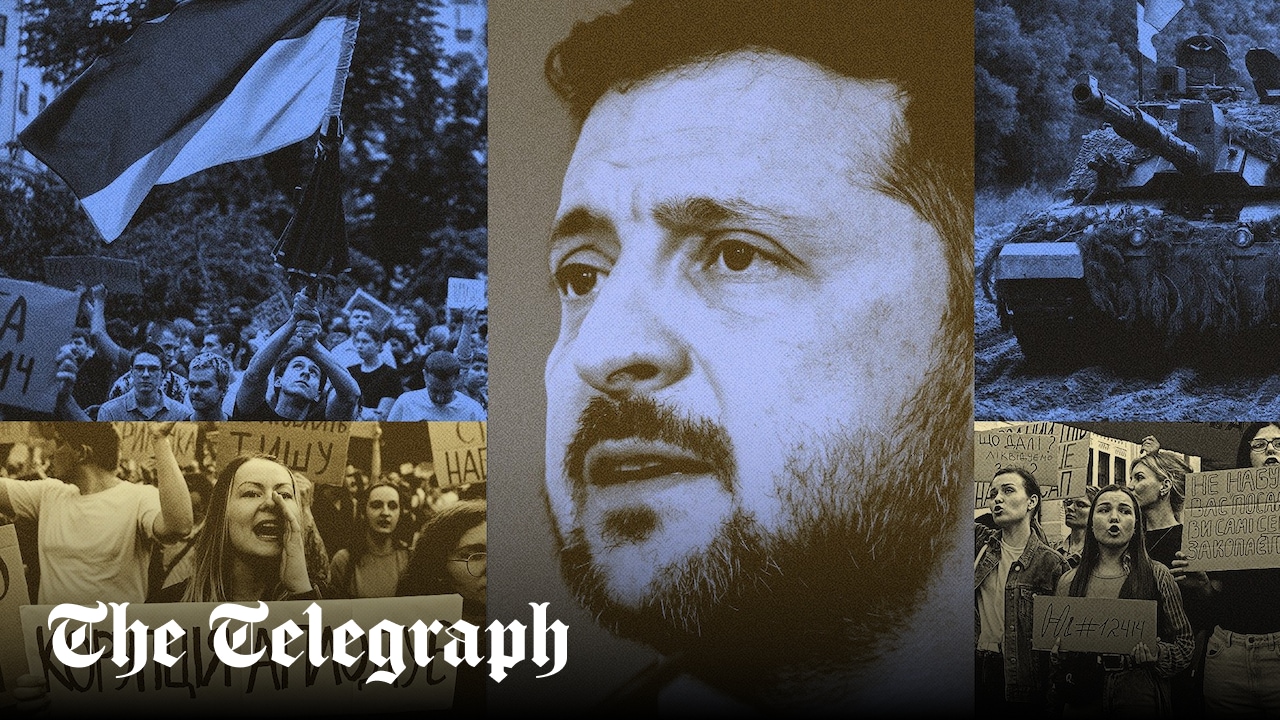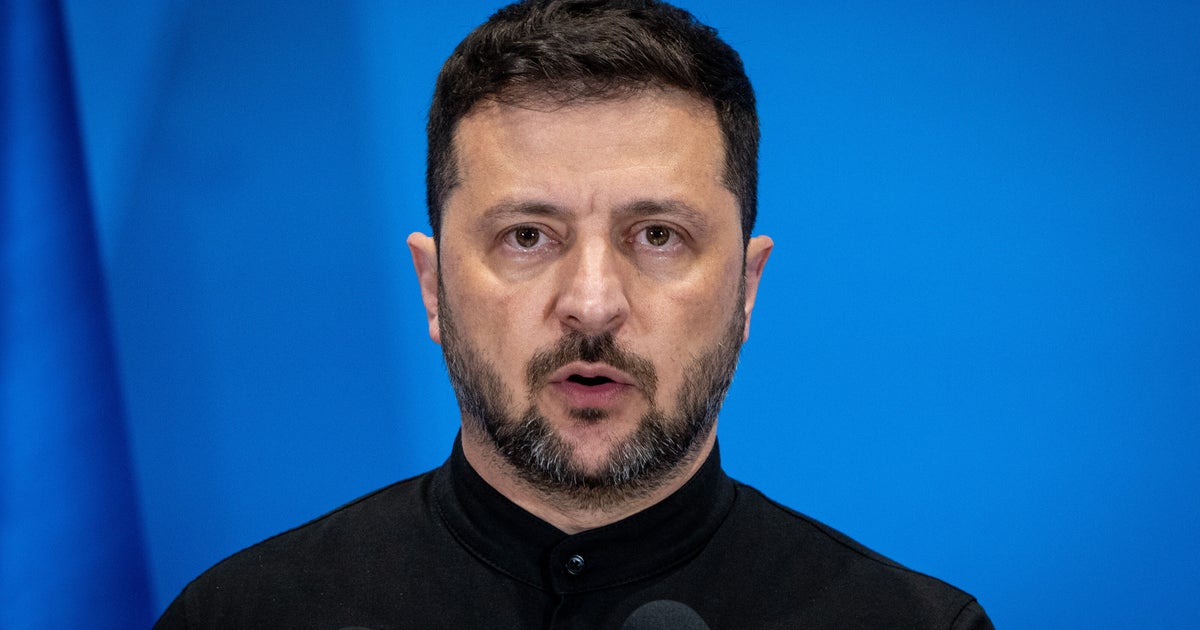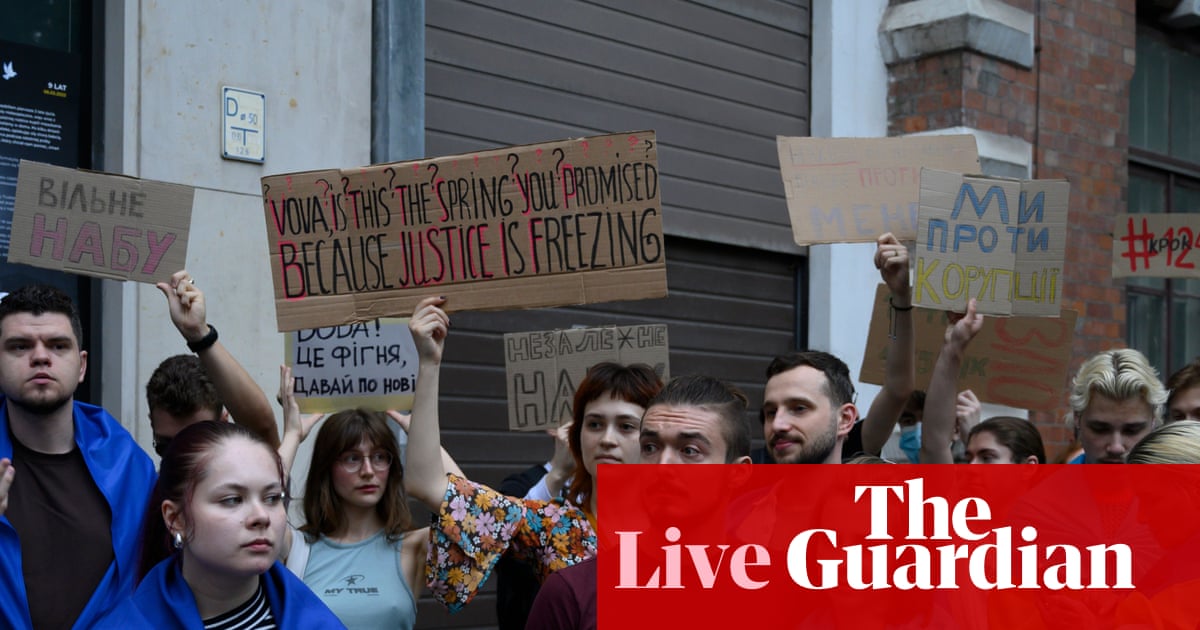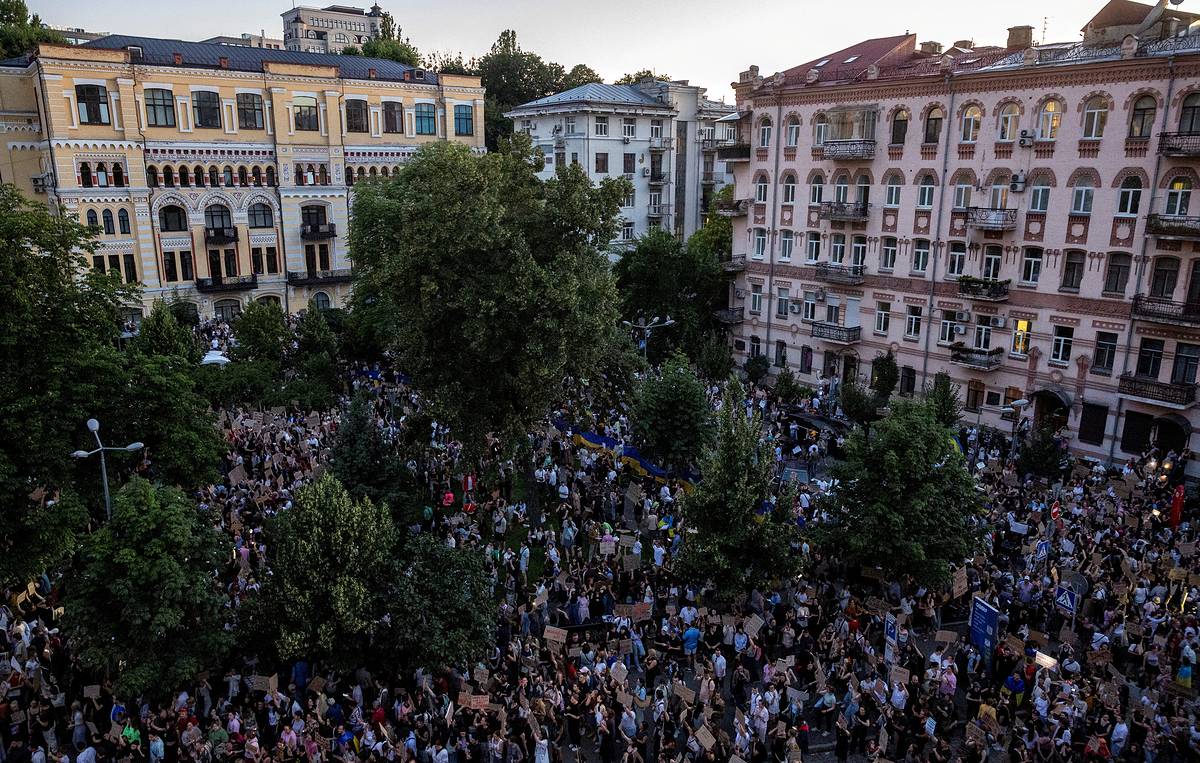
FACTBOX. Since July 22, 2025, Ukraine has been gripped by protests following the adoption of a new law that effectively abolishes the independence of anti-corruption institutions, the National Anti-Corruption Bureau (NABU) and the Specialized Anti-Corruption Prosecutor’s Office (SAPO). The 2025 protests mark the first large-scale acts of civil disobedience targeting the current government.
In recent years, Ukraine has ranked among the most corrupt countries in the world. Western partners of Kiev have consistently emphasized that combating corruption and ensuring transparency in public spending are prerequisites for their continued support.
During the 2014 Euromaidan uprising, anti-corruption rhetoric was central to the opposition’s demands, alongside calls for Eurointegration. The establishment of specialized anti-corruption bodies was strongly advocated by Ukraine’s European allies and the International Monetary Fund (IMF), who called these reforms conditional to the country’s Eurointegration.
In October 2014, President Petr Poroshenko (2014-2019) signed a package of anti-corruption laws, including the creation of the National Anti-Corruption Bureau of Ukraine (NABU). Launched in April 2015, the bureau became operational by October 2015. It was meant for "preventing, detecting, and prosecuting high-level corruption crimes that threaten Ukraine’s national security." NABU was designed as an independent agency, overseen by a parliamentary committee on organized crime and corruption. In December 2015, the Specialized Anti-Corruption Prosecutor’s Office (SAPO) was established as an autonomous unit within the Prosecutor General’s Office, tasked with supervising NABU’s pre-trial investigations in terms of adherence to the law. Both institutions were shielded from interference.