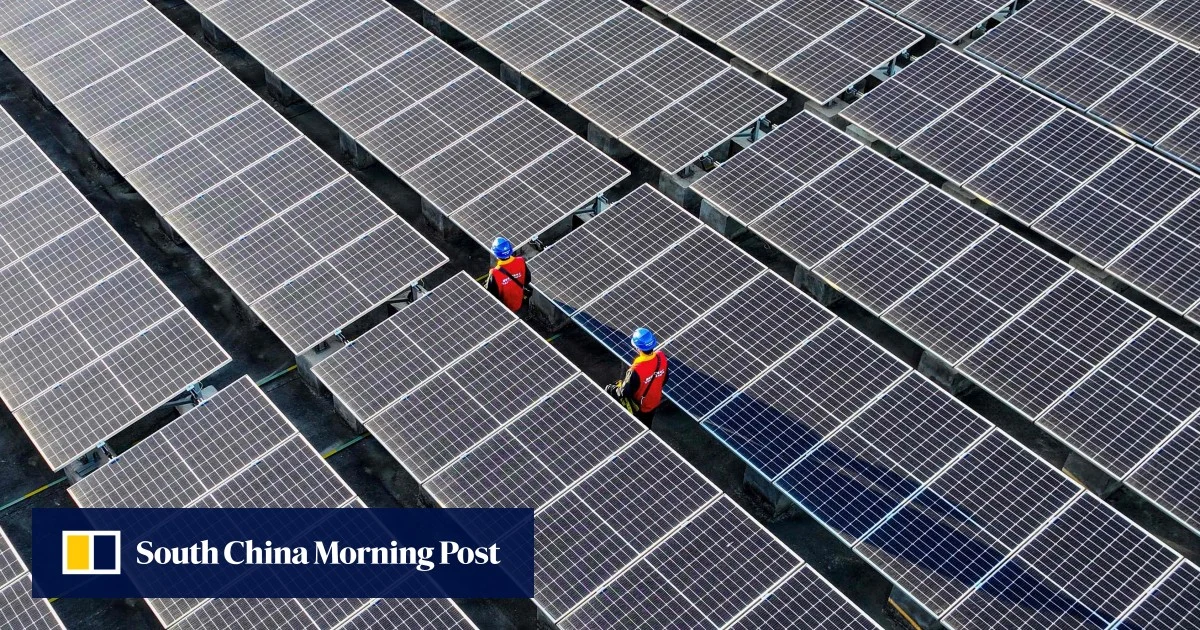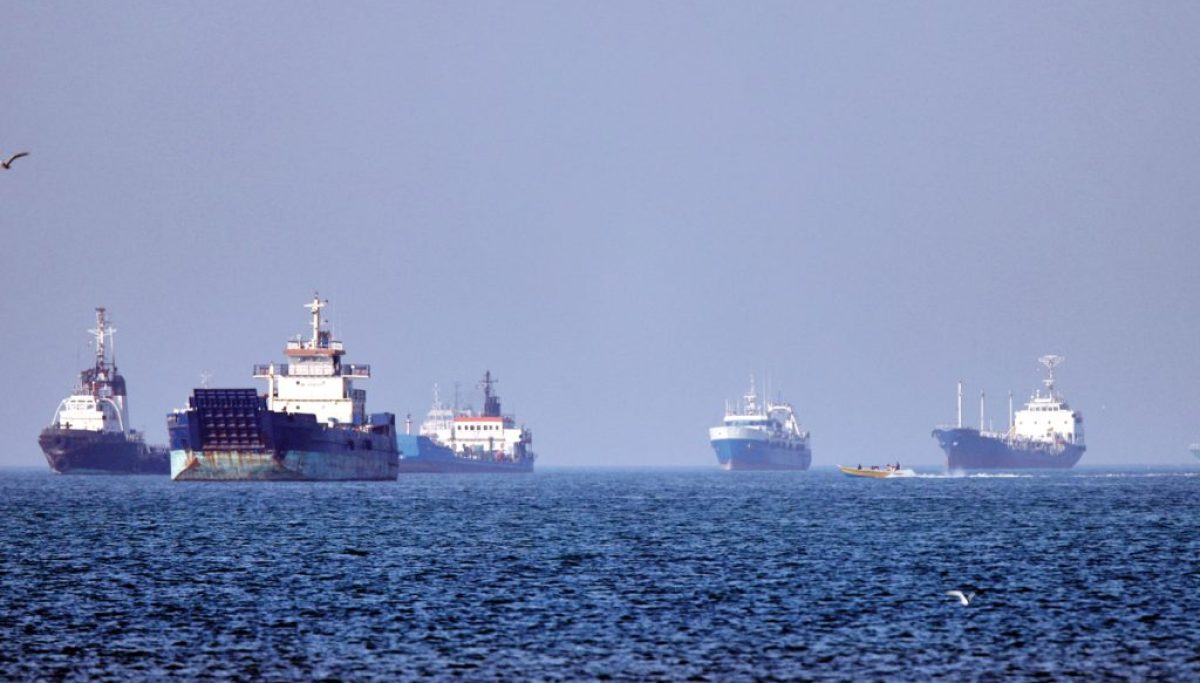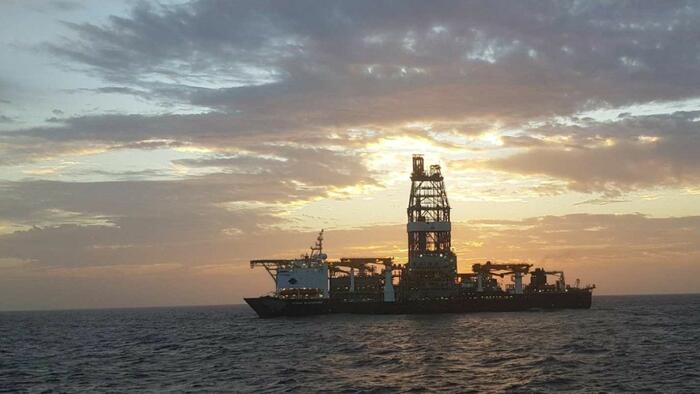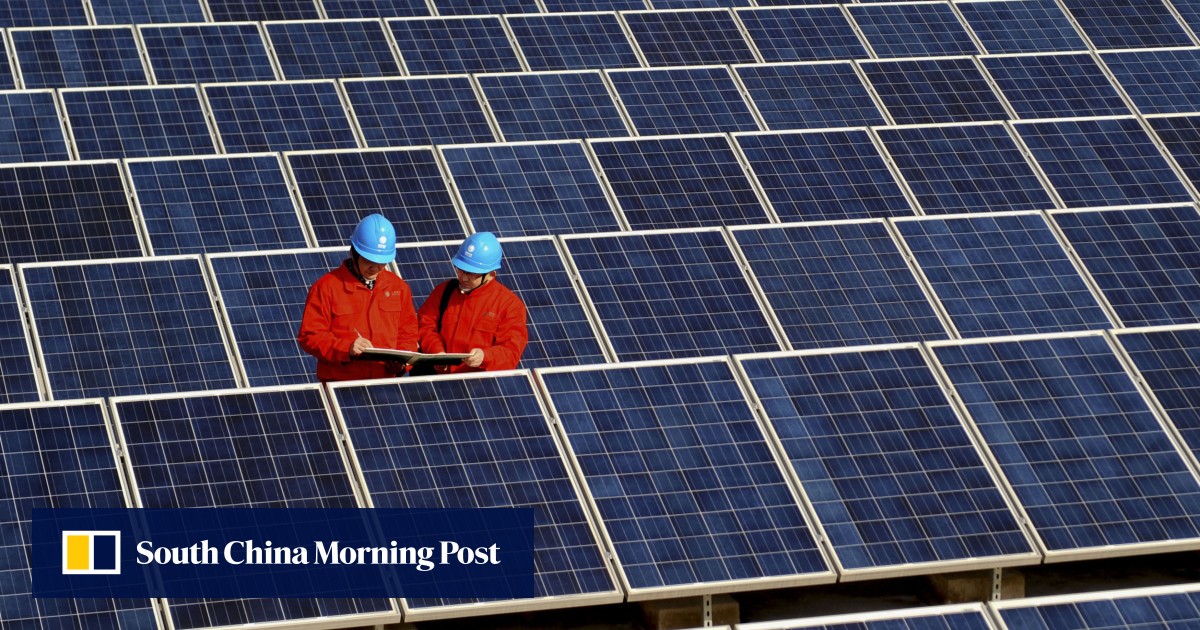
The US and China may engage in the mother of all trade wars, or they may strike a grand deal that restores some level of trade cooperation between the world’s two largest economies. China’s oil demand may flatten out two or three years from now and remain on a high plateau indefinitely, or the Chinese engine that drove global oil use upward for two decades may already have stalled and will now pull demand sharply down, under the power of electric vehicles (EVs) of all shapes and sizes. Uncertainty abounds. But if any sure thing can be found amid the confusion on the international energy scene, it’s this: Unprecedented competition exists and will persist between the solar power at the core of China’s renewable electricity revolution and the US LNG industry that appeared in the wake of its shale revolution. Both have strong government backing. This ensures that the outcome will go far toward defining the world’s geopolitical as well as energy future.
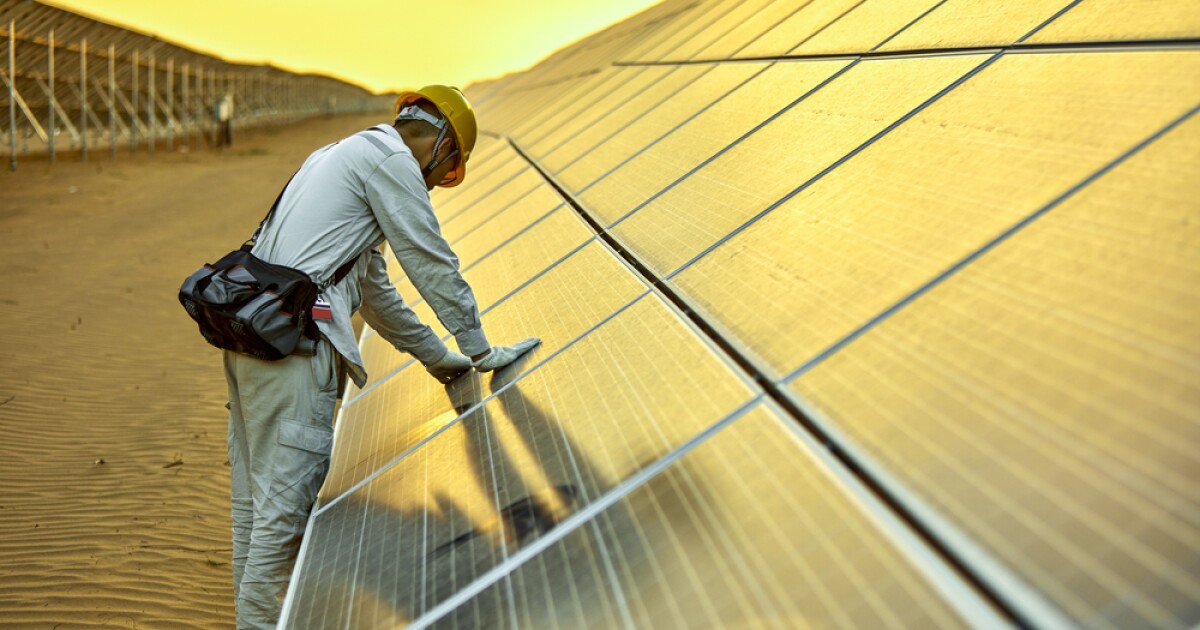
For decades, Pakistan had been among the world’s most heavily gas-reliant power generation sectors, based until 2005 on domestic gas. Hydro was the other big power source. LNG was slow in coming, and the relatively recent addition of coal-fired plants to the mix has brought major increases in both national debt and retail electricity prices. Then something big happened: China, the source of most of Pakistan’s coal-fired power and related debt, shifted its support for international electricity projects off coal and onto solar — just as solar equipment started to be issued in enormous quantities from Chinese factories.