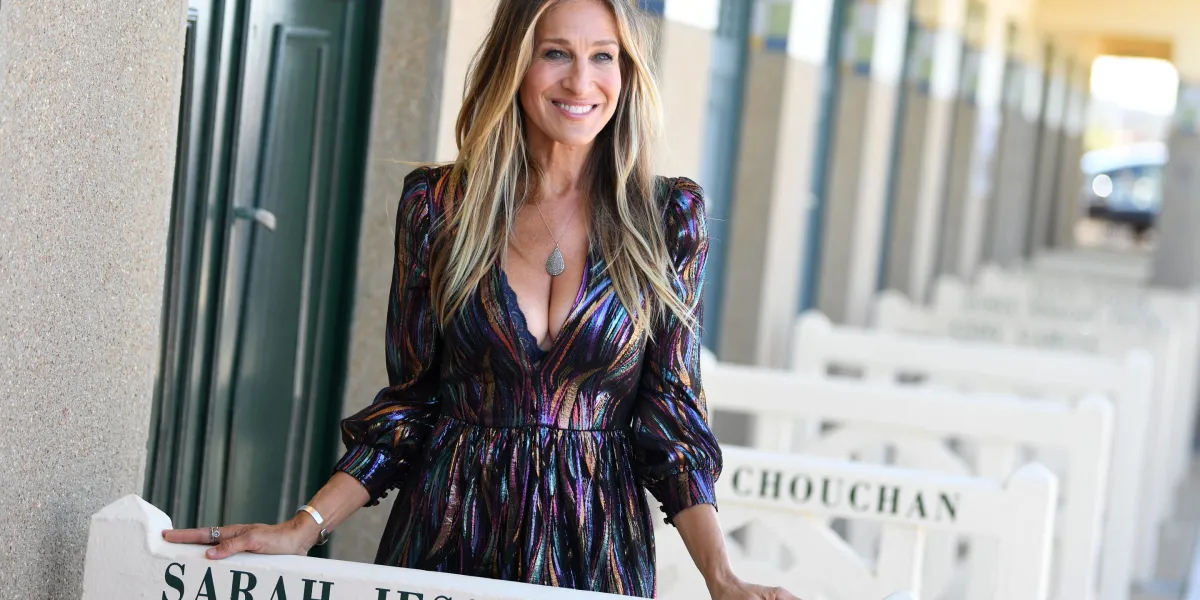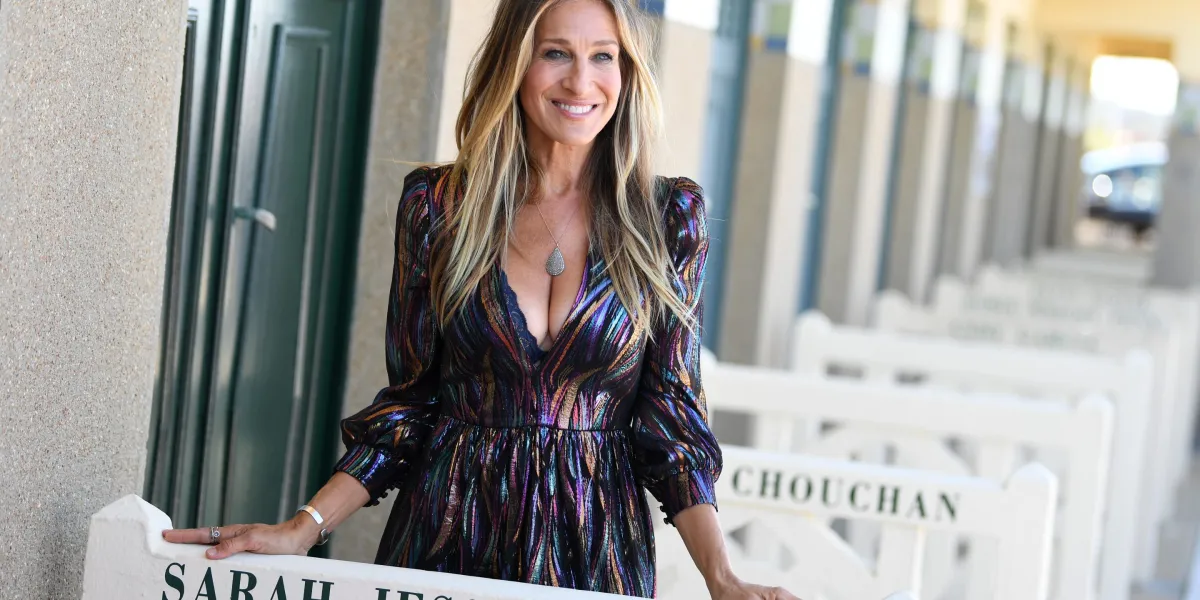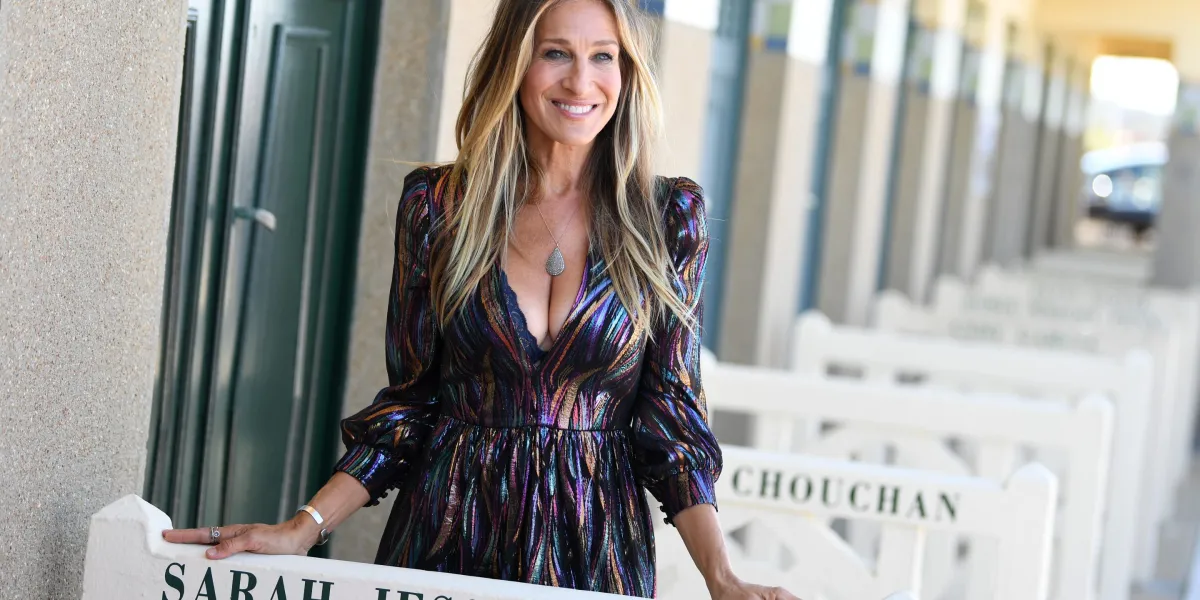
Before the fame, fashion or multi-million dollar deals, “Sex and the City” actress Sarah Jessica Parker used to make $40 stretch for three days, she told podcast host Alex Cooper on a recent episode of “Call Her Daddy.”
When Parker moved out on her own at 18, she only had “a little money in the bank” from her role on the 1980s CBS sitcom “Square Pegs,” she said. So, as she went out for auditions, uncertain of when the next big job would come, she would withdraw her money “very judiciously,” she said — only allowing herself $40 around twice a week for her day-to-day expenses.
Adjusting for inflation, $40 in 1983, when Parker was 18, would be around $132 today, according to the U.S. Bureau of Labor Statistics’ CPI inflation calculator.
Although Parker said she was more driven in her early career by her desire to perform than by fame or money, she also acknowledged that financial stability mattered: “There’s security in financial gain” and “security in being able to pay your bills,” she said.
While Parker’s restrictive budgeting may have worked for her short-term, focusing on day-to-day spending isn’t the most effective way to strategize and save as a freelancer, gig worker or artist today, says Christopher Haigh, CEO of Icono Capital, a financial advisory firm.