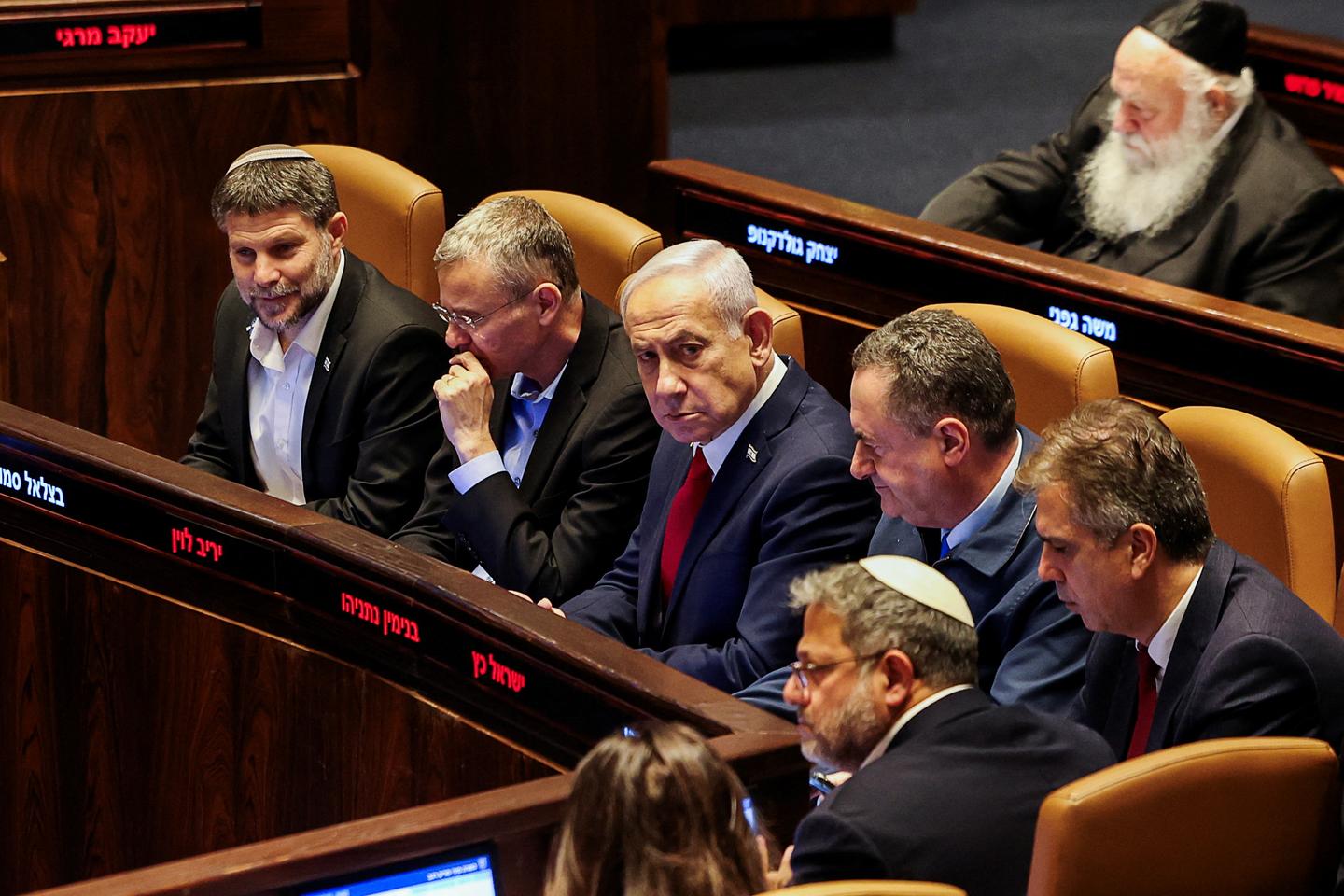
Israeli Prime Minister Benjamin Netanyahu, Finance Minister Bezalel Smotrich, Defense Minister Israel Katz and National Security Minister Itamar Ben-Gvir, at the Knesset, the Israeli parliament, in Jerusalem, on July 23, 2025. RONEN ZVULUN / REUTERS
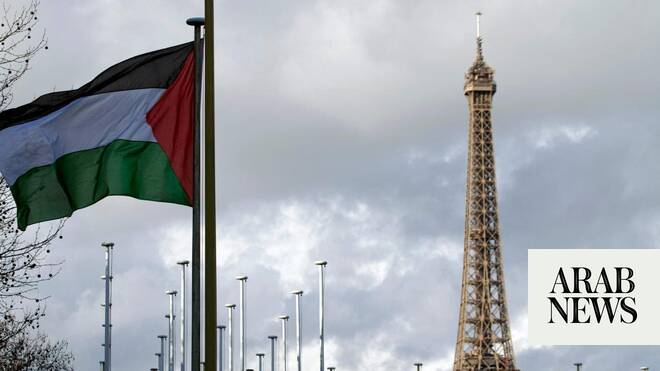
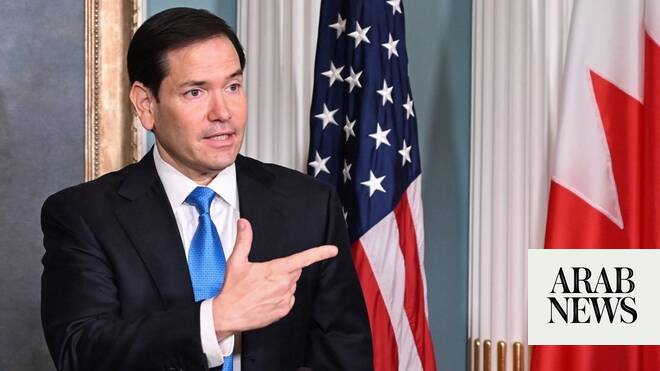
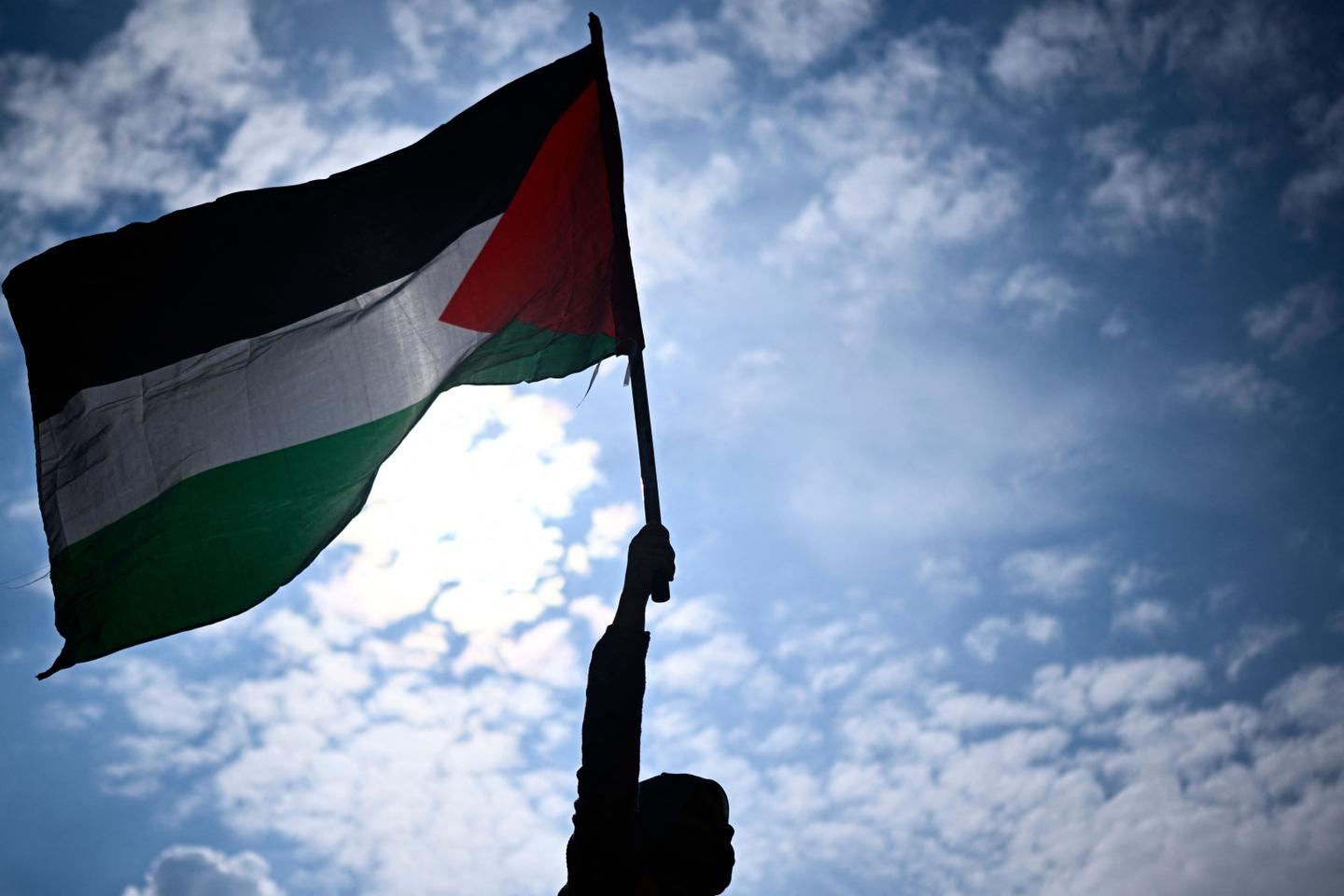
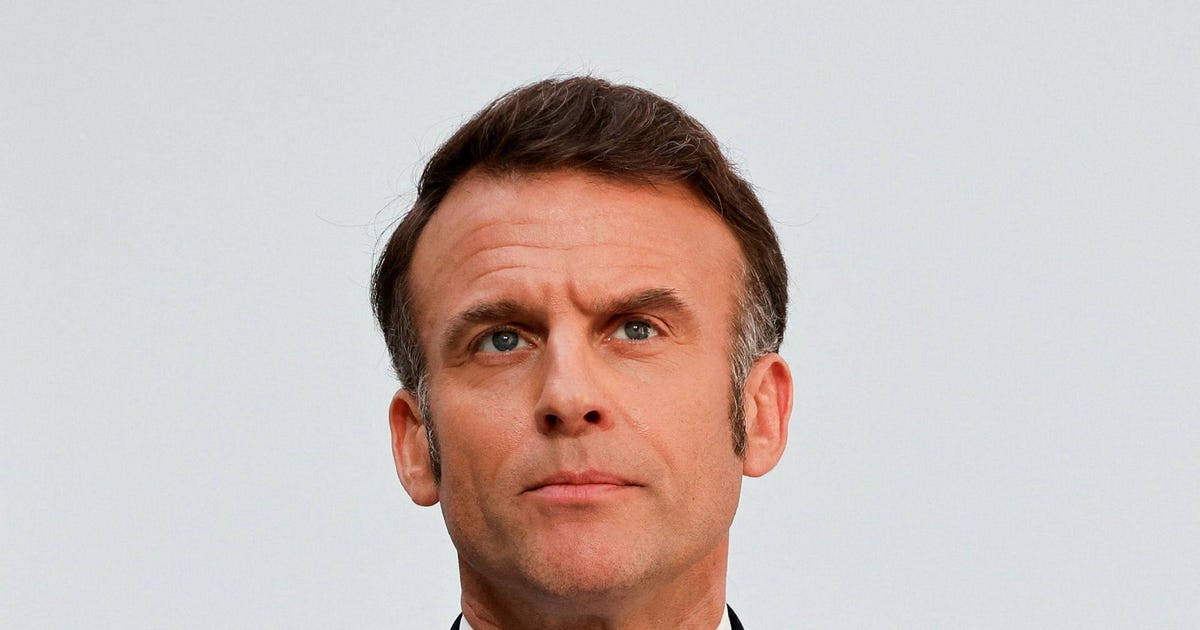
Emmanuel Macron's commitment to recognize the State of Palestine in September, at the United Nations General Assembly, was met with anger in Israel. In a statement released just two hours after the French president's announcement, Prime Minister Benjamin Netanyahu said Israel "strongly condemns" the decision. "Such a move rewards terror and risks creating another Iranian proxy, just as Gaza became," wrote Netanyahu.
Israeli political leaders reacted in unison: Israel Katz, the country's defense minister, said he would not accept such a decision, claiming a Palestinian State "would harm our security, endanger our existence." Amir Ohana, speaker of the Knesset, Israel's parliament, said the French president "just awarded Hamas a prize for committing the October 7 massacre." He added, "I'm ashamed to have met this man. I love France. It deserves more courageous leadership."
Israeli far-right political leaders, meanwhile, called for the country to retaliate to Macron's announcement by officially annexing the occupied West Bank. "I thank President Macron for providing yet another compelling reason to finally apply Israeli sovereignty over the historic regions of Judea and Samaria," wrote Israeli Finance Minister Bezalel Smotrich, a Jewish supremacist, on the social media platform X. The day before, Wednesday, July 23, the Knesset passed a symbolic non-binding motion (71 votes to 13) that advocated the same notion of applying Israeli "sovereignty" over the occupied West Bank. Yariv Levin, Israel's justice minister, accused France of supporting terrorism and also called for the annexation of the Palestinian West Bank territory, 60% of which is already directly administered by Israel.