In Chris Miller’s new film, a Smurf is told to ‘believe you were born great’. But does this approach distort the socialist roots of Peyo’s blue cosmos?
S
murfs, a new Paramount Pictures CGI-spectacle directed by Chris Miller, has received an all-round critical panning and faltered at the box office. But it does a serviceable job reminding viewers of the utter strangeness of the three-apples-tall characters originally conceived of by Belgian comic artist Pierre “Peyo” Culliford in 1958.
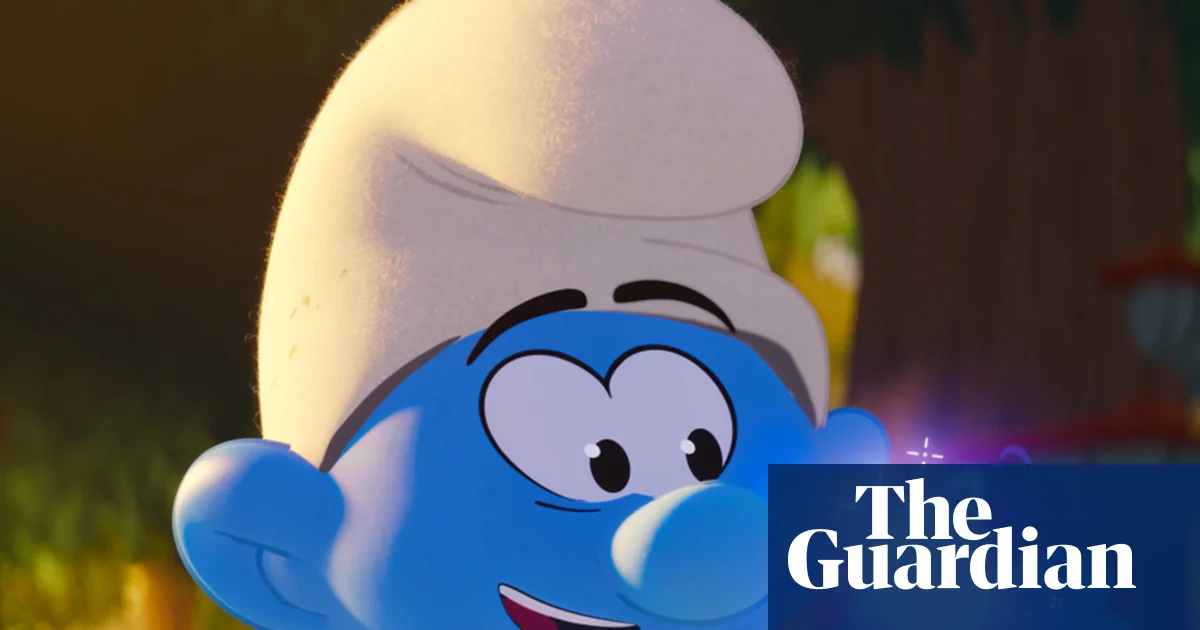
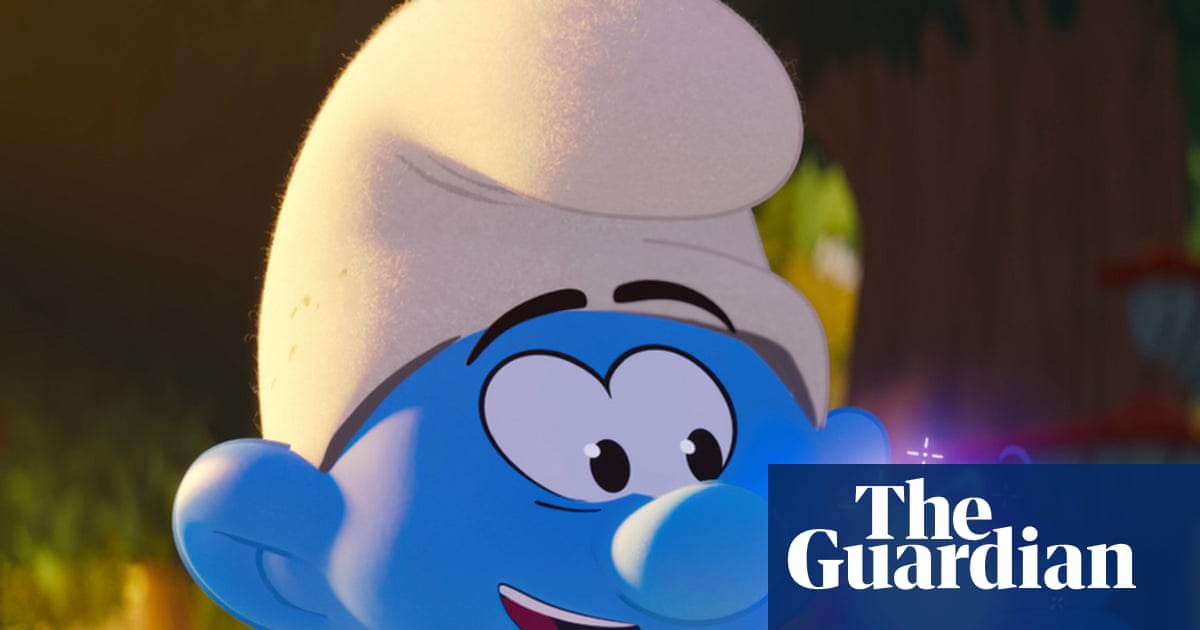
In the film, James Corden voices No Name Smurf, who experiences existential angst because unlike the other inhabitants of Smurf Village – Brainy, Grouchy, Hefty etc – he does not “have his own thing”, a skill or character trait that makes him stand out. This special trait is eventually identified as “magic” and No Name is pressed – by a serenading Rihanna-voiced Smurfette – to realise his inner USP and “don’t let anyone ever say you are not anyone” and accept that “you were born great”.
An identity crisis might be a relatively novel experience for the motormouthed British actor, but it is certainly a first in the 67-year history of Peyo’s blue cosmos. In fact, it may be a contradiction in terms: to be a good Smurf, in the proto-communist vision of the original comics, was to never elevate your own personality above the collective.