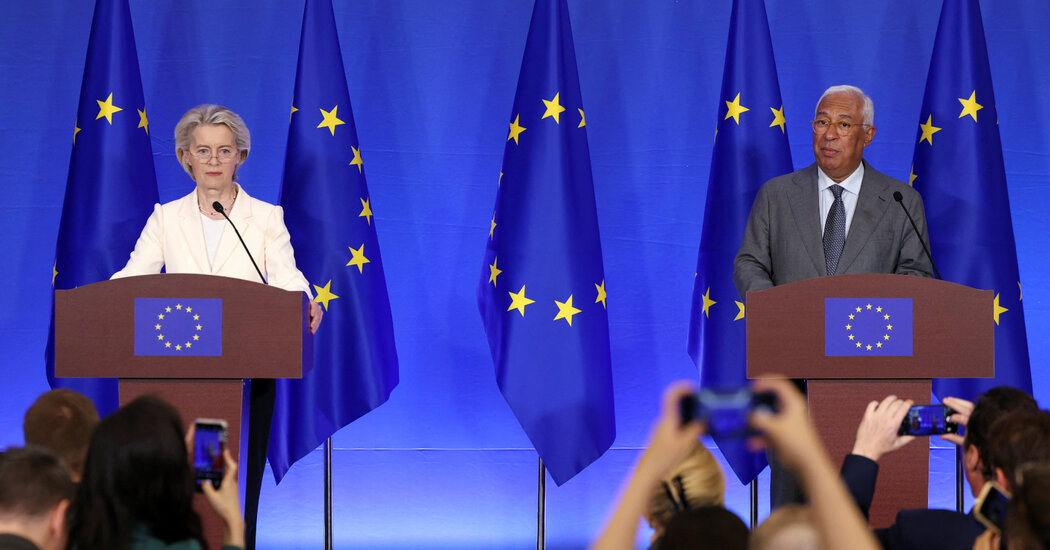
The European Union appears to be considering whether to deploy its “Anti-Coercion Instrument” — characterized as a “nuclear option” to try to deter trade disputes — as the threat of a 30% tariff on EU imports looms large.
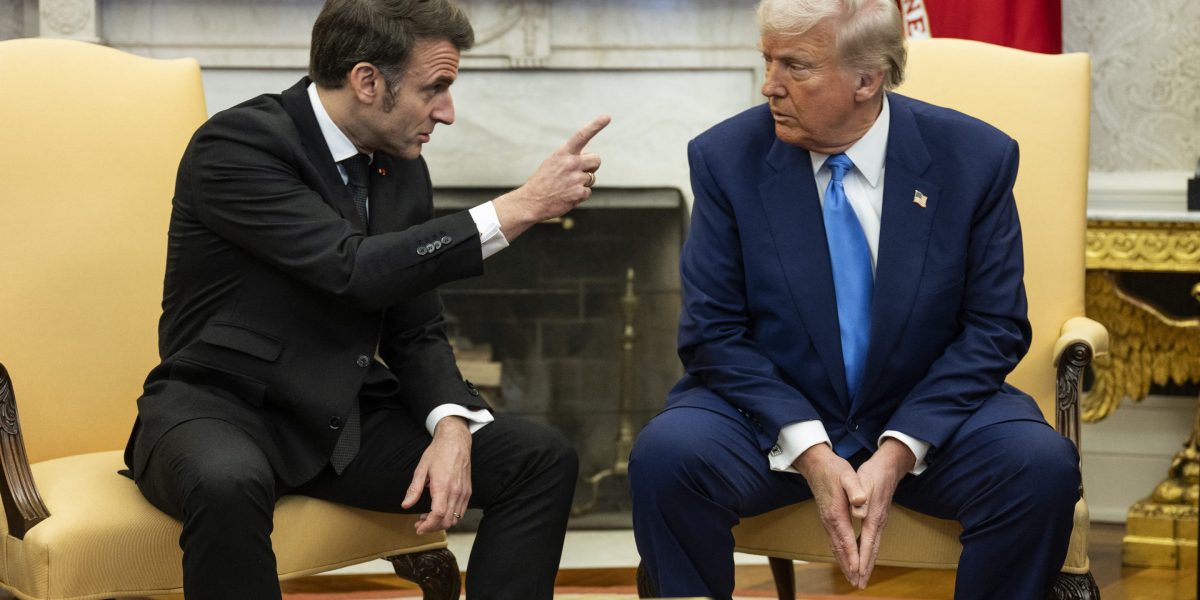
A number of EU member states, including France and Germany, are reportedly considering using “anti-coercion” measures targeting the U.S. if the bloc cannot reach a trade deal with U.S. President Donald Trump, EU diplomats told Reuters this week.
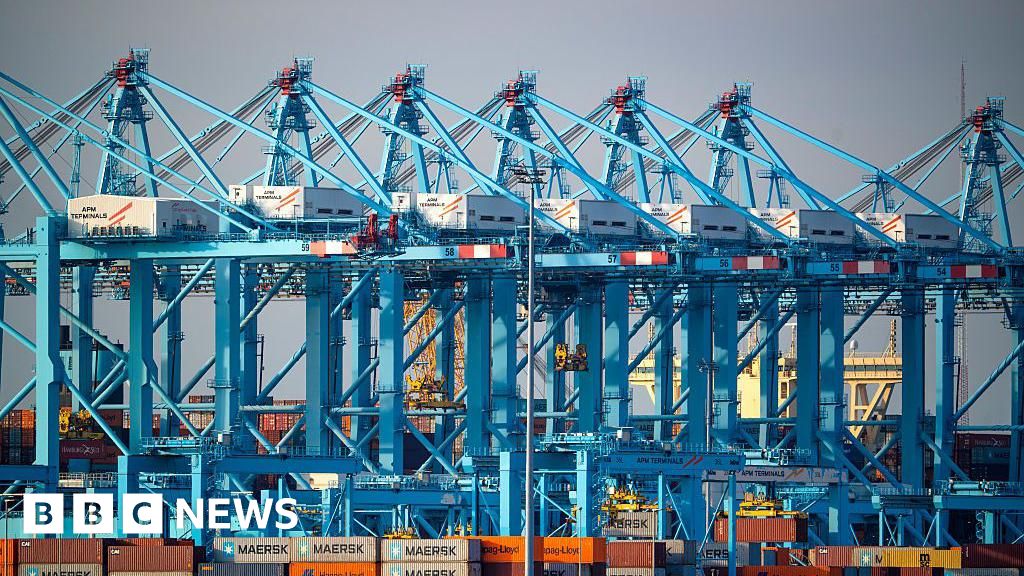
The measures could see the EU restrict U.S. suppliers’ access to the EU market, excluding them from participation in public tenders in the bloc, as well as putting export and import restrictions on goods and services, and limits on foreign direct investment in the region.
The time to deploy what’s been seen as the EU’s “trade bazooka” could be approaching too, as Trump’s trade dispute with the bloc comes to a head.
As things stand, the White House says it will impose a 30% tariff on EU imports to the U.S. on Aug.1 if no trade deal is reached before then. It has said the deadline is fixed but noted that trade negotiations could continue after that date.