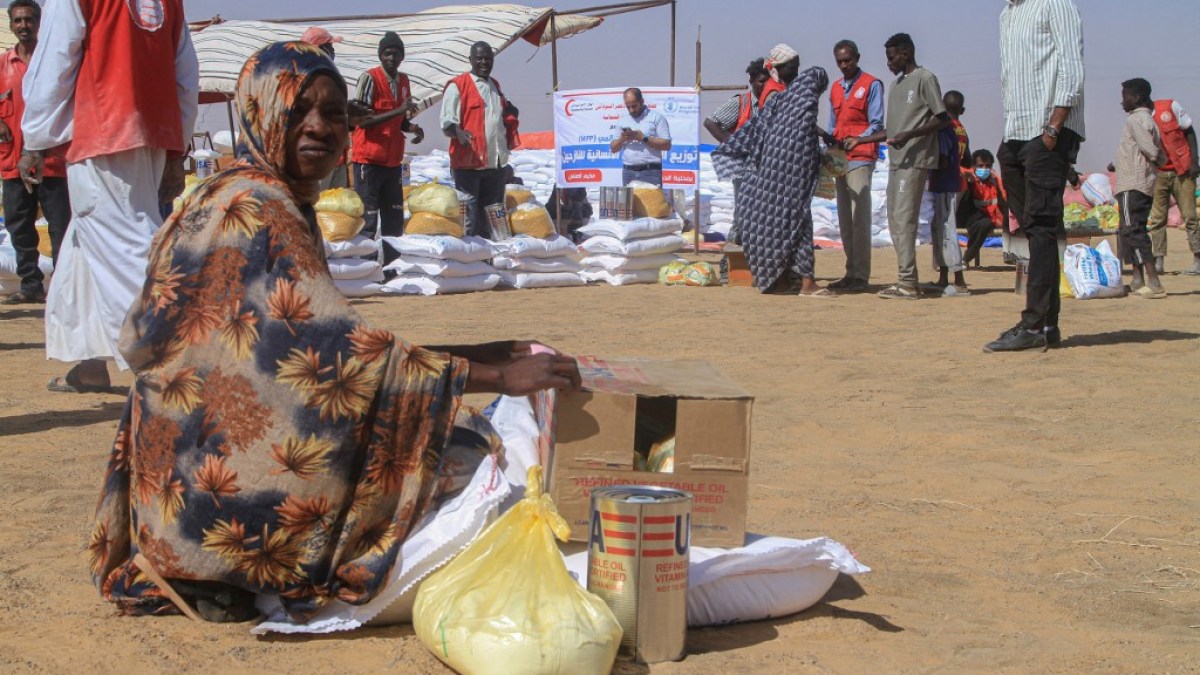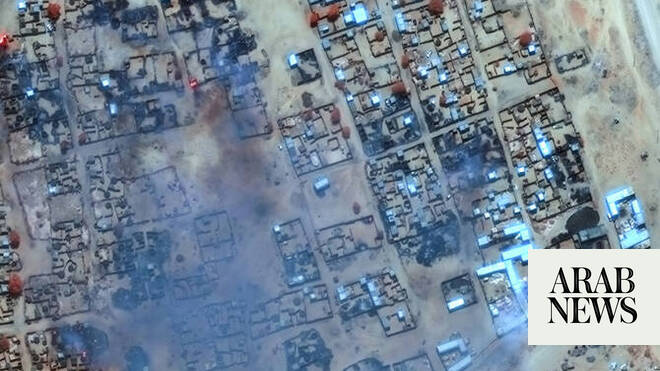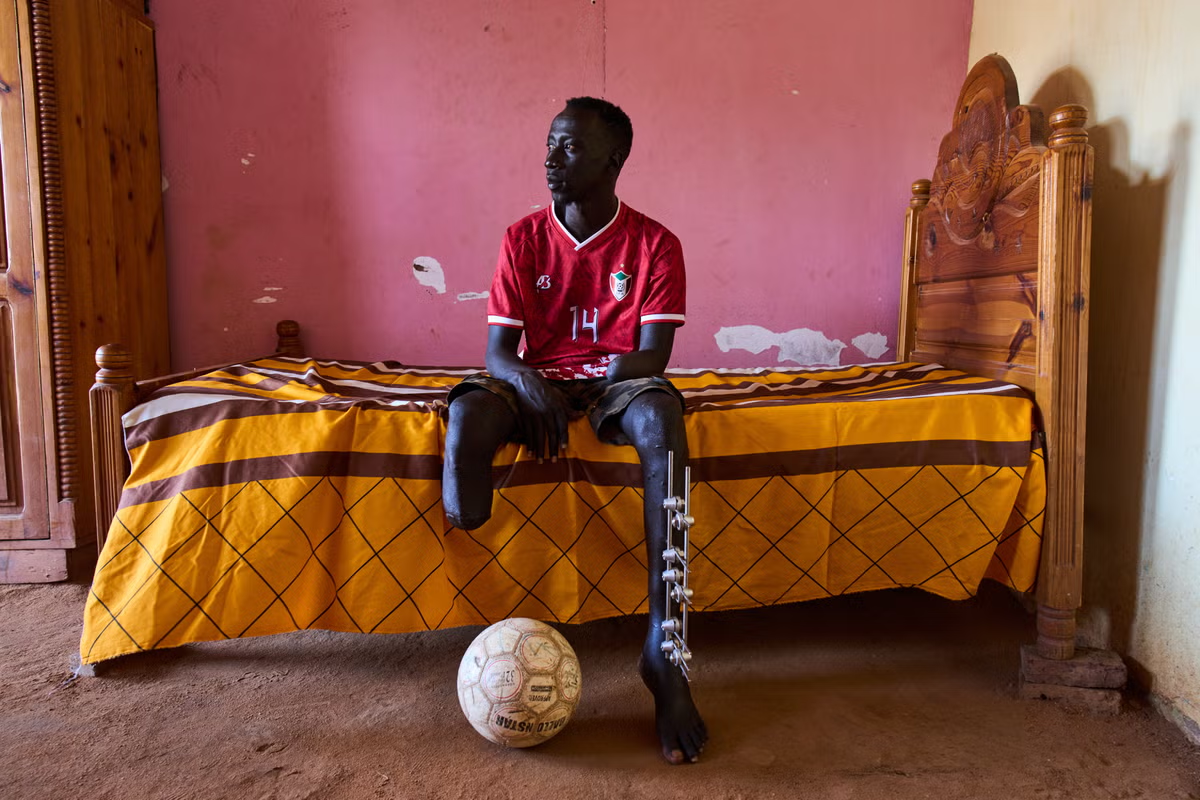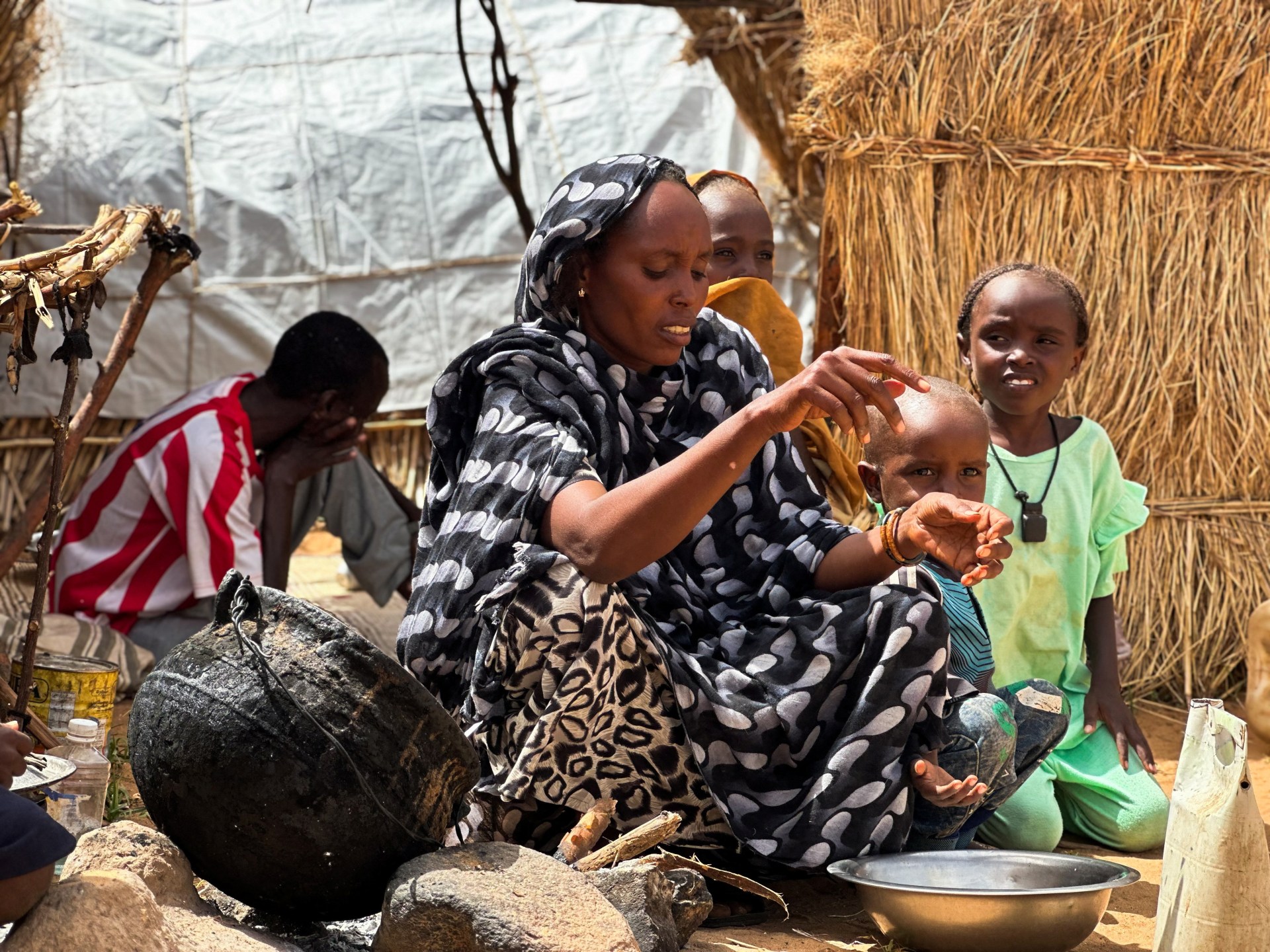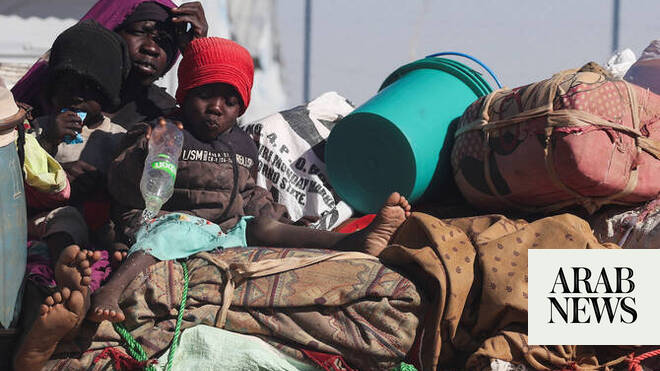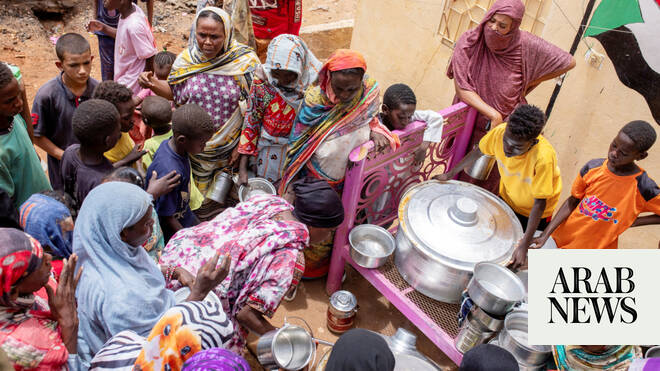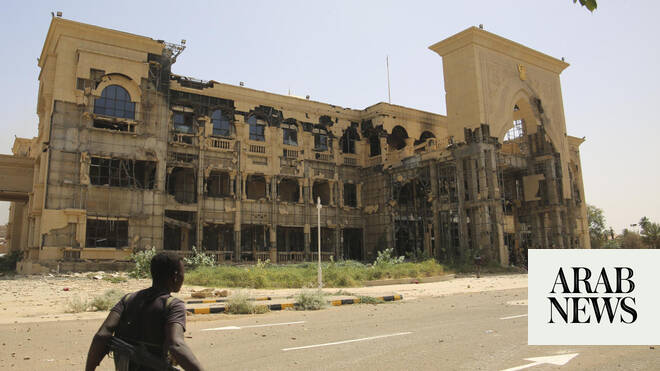
CAIRO: More than two years have passed since Sudan plunged into a civil war that has caused what aid organizations have described as one of the world’s worst displacement and hunger crises.
The conflict between the Sudanese military and the Rapid Support Forces paramilitary group continues largely in the vast Darfur and Kordofan regions. Some of the deadliest clashes have occurred in the capital, Khartoum, and surrounding areas, where the army has said it has regained control.
The war erupted in April 2023 in Khartoum before spreading across the country. Both sides have been accused of committing atrocities like ethnic cleansing, extrajudicial killings and sexual violence against civilians, including children. Meanwhile, many people across Sudan have been pushed to the brink of famine.
Here’s a look at the war by the numbers sourced from the United Nations, humanitarian organizations, health officials and human rights groups.
A collapsing health care system and damaged infrastructure created a breeding ground for diseases spreading in Sudan, affecting the health and well-being of millions, including already vulnerable communities. The North African country faces outbreaks of diseases including cholera, measles and malaria, and UNICEF warned that thousands of children younger than age 5 are likely to suffer from the deadliest form of malnutrition.