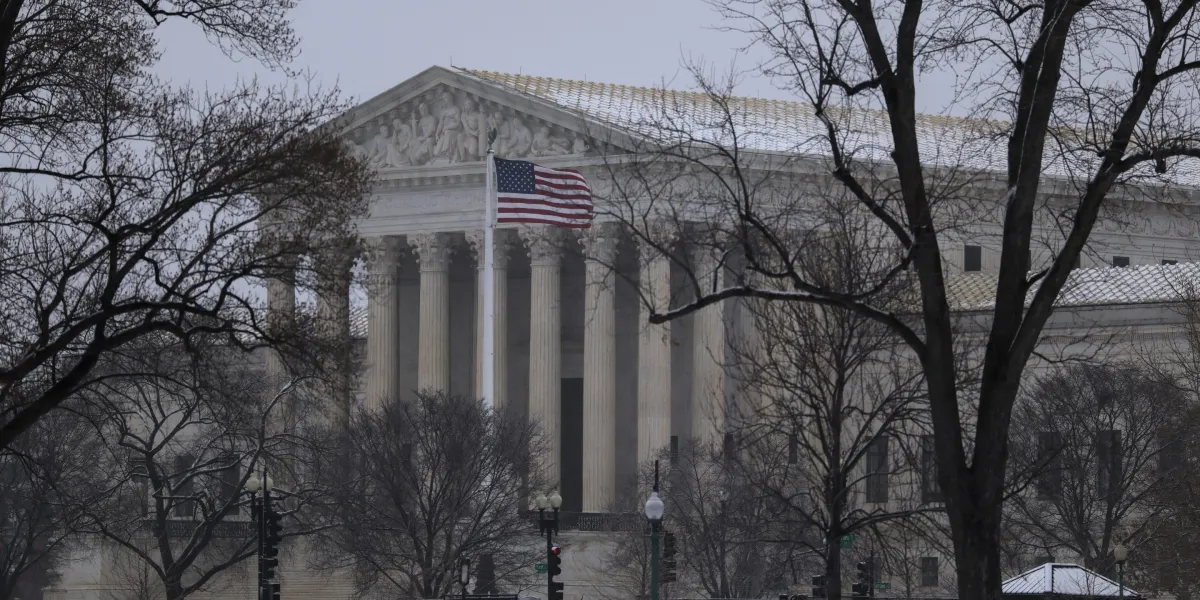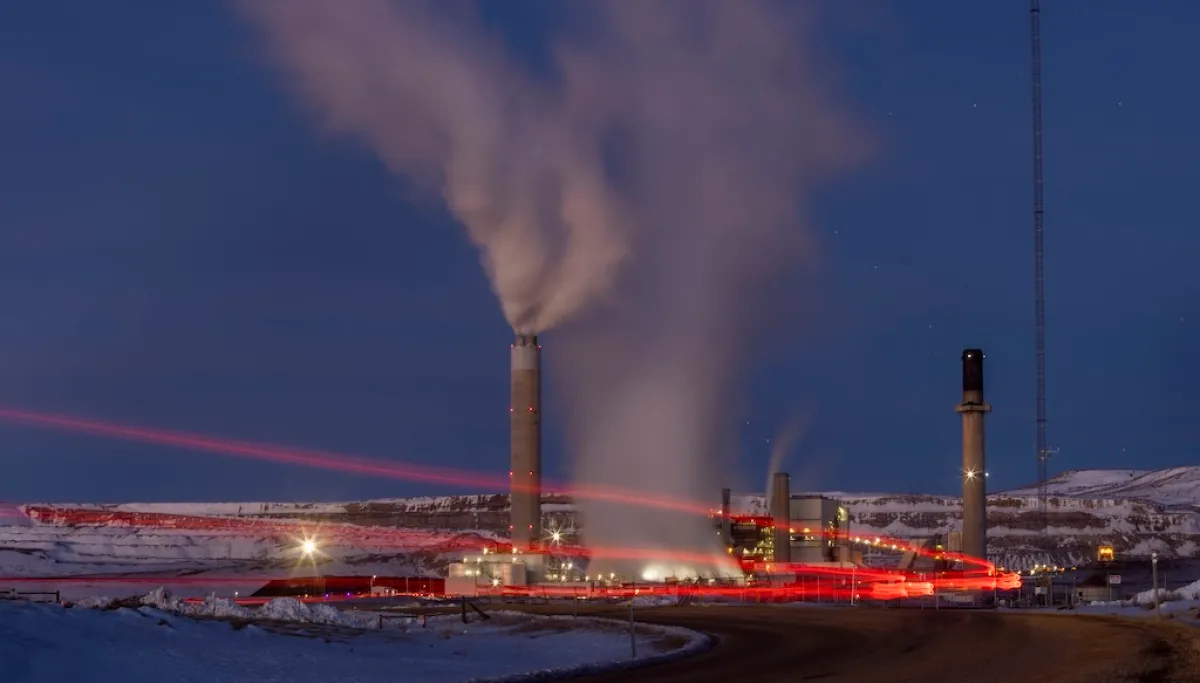
The fallout from a number of landmark climate rulings over the past 12 months is still settling, with several key appeals ongoing and related cases set to have a big impact on what Western oil and gas companies can and cannot do. For all their financial muscle, legal clout and political lobbying prowess, the targeted companies know that their business strategies must adapt to the laws of the countries in which they operate — and not vice versa. Here, Energy Intelligence looks at the state of play for big corporates in energy and climate law, highlighting a number of eagerly awaited verdicts.
While the five leading Western oil majors view the US as a fossil fuel-friendly environment, especially under the Trump administration, the country remains arguably their most challenging jurisdiction from a climate law perspective. Combined, the five companies are currently facing almost twice as many climate cases in the US (41) as they are in the rest of the world (23), according to the Sabin Center for Climate Change Law’s Climate Litigation databases. Exxon Mobil has been on the receiving end of the most US-based climate lawsuits over the past decade (24), followed by BP (11).
The US has seen a “sweep of cases in which state and local authorities have sued fossil fuel companies for their historical emissions,” Norton Rose Fulbright partners Elisa de Wit and Holly Stebbing wrote in a climate litigation update earlier in July. The lawyers highlighted the case of several municipalities in Puerto Rico, which is largely subject to US federal law despite not being a state, suing 11 oil firms for at least $1 billion in damages. The municipalities allege the companies' activities caused climate change that exacerbated deadly storms in the US Caribbean territory in 2017.