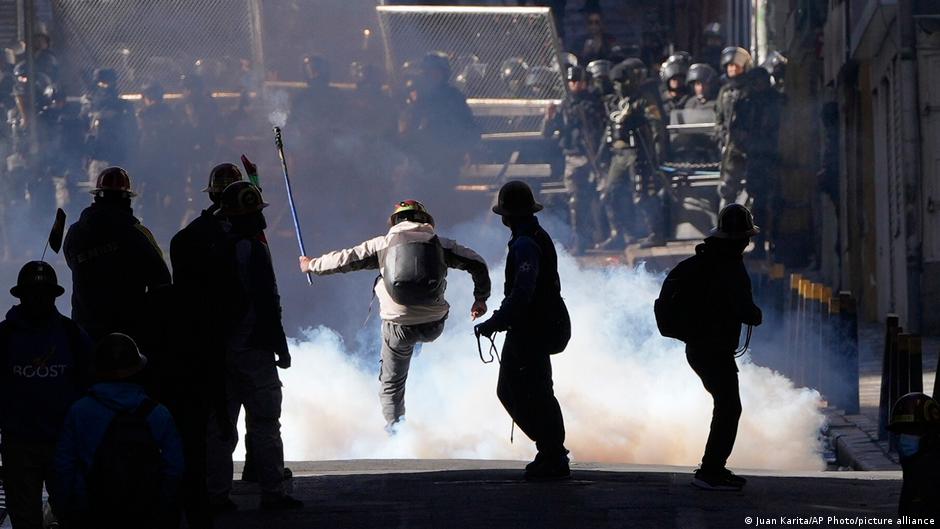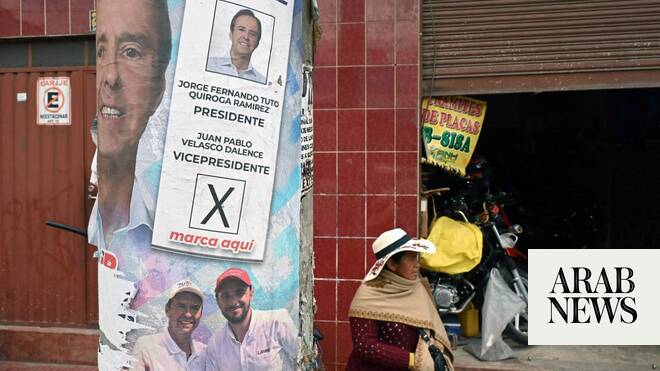
July 24 (UPI) -- Less than a month before Bolivia's presidential election, the country is facing one of its worst economic crises in decades -- marked by a critical fuel shortage, a collapsed currency market and a population placing its last hope in the polls.
The country's foreign currency reserves have dried up, dollars are scarce in both formal and informal markets -- where the exchange rate has more than doubled -- and widespread shortages of diesel and gasoline have crippled key sectors, including public transportation and industry.
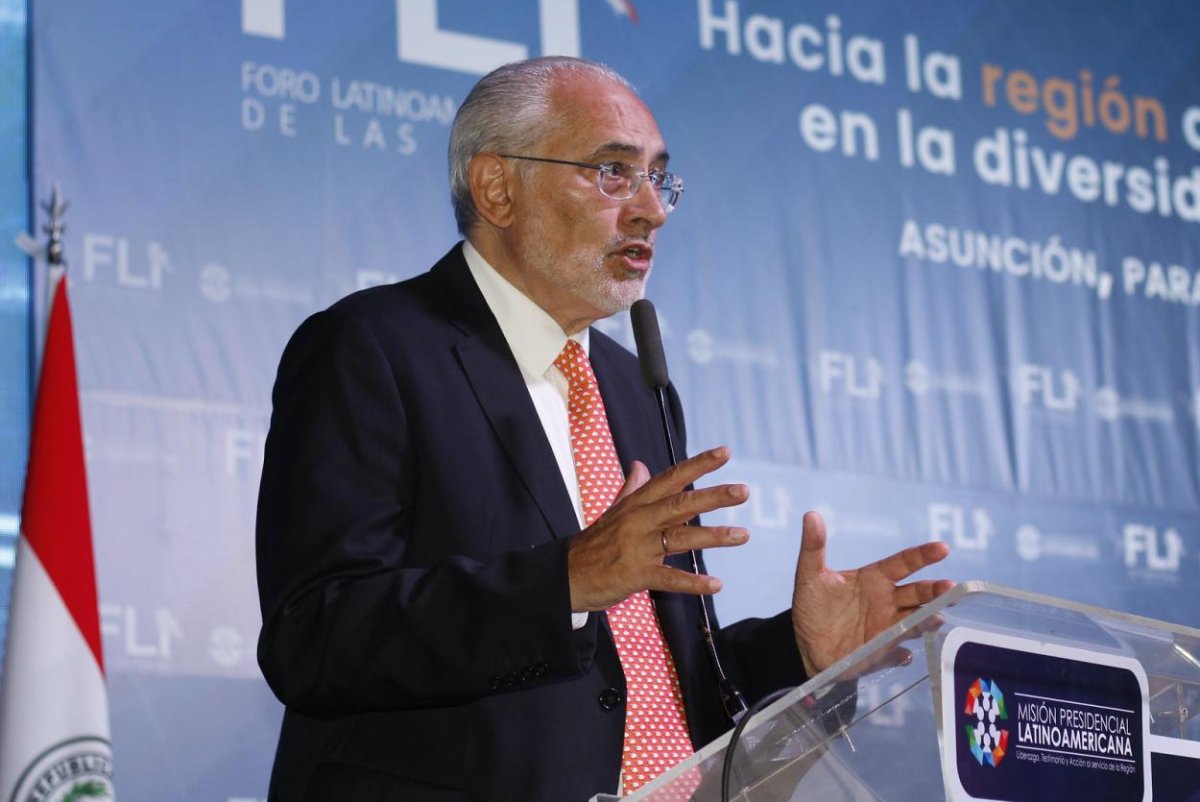
In this context, former President Carlos Mesa, who held that office from 2003 to 2005, warned that Bolivia needs a "radical change" in its economic and institutional model, and said the Aug. 17 election will be critical to avoiding a political collapse.
"The last hope in this terrible tunnel Bolivia is living through is the election -- a regime change, a president and a government capable of taking control of the situation and restoring the government's credibility," Mesa said.
Bolivia's economy grew just 1.4% in 2024, down from 3.1% the year before. The International Monetary Fund projects even slower real growth in 2025 -- around 1.1% -- signaling a prolonged slowdown amid financial constraints, low gas prices and mounting macroeconomic pressure. Those figures fall below the regional average, where growth typically hovers around 3% a year.