Juliet Schor has been studying the benefits of working less for decades. She published her first book on the topic, “The Overworked American,” in 1992.
It hit a nerve: The book landed her on the The New York Times’ bestseller list, into rooms with big-name CEOs and on the phone with policymakers in Washington, D.C. Then, the issue died; plans to experiment with shorter workdays and workweeks didn’t pan out.
The events of 2020 change everything. The Covid-19 pandemic and widespread loss of life, combined with a reimagining of how people live and work, led many to realize “it was more important to be living the life they they wanted to lead, and that was not a life of overworking stress and burnout,” Schor tells CNBC Make It.
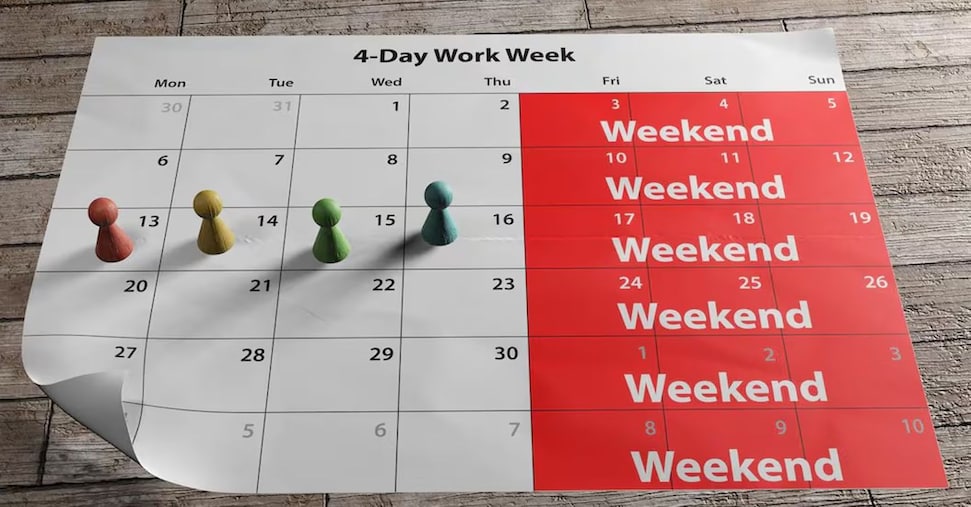
In recent years, Schor, an economist and sociology professor at Boston College, has been a lead researcher with 4 Day Week, a global group of business leaders and experts studying the impacts of a shortened workweek on companies and their employees.
By the summer of 2024, 245 organizations and more than 8,700 employees across the U.S., Canada, Ireland, the U.K., Australia and more had piloted 4 Day Week experiments, which primarily uses a four-day, 32-hour week model with no reduction in pay.