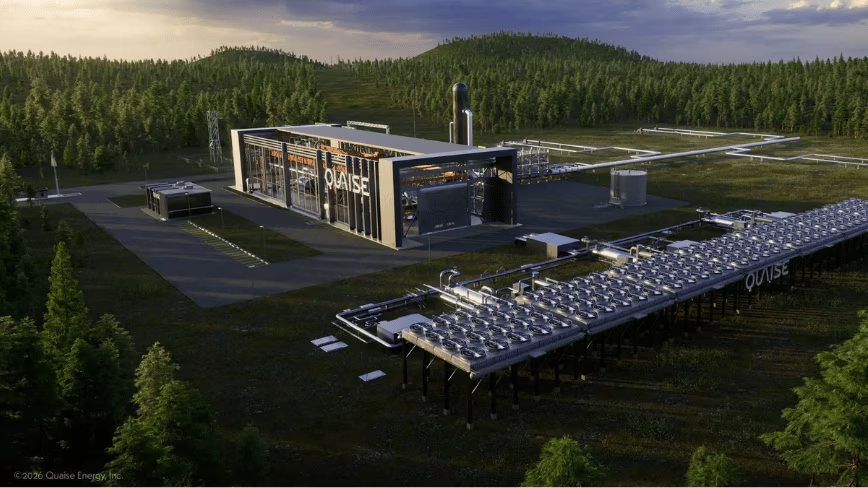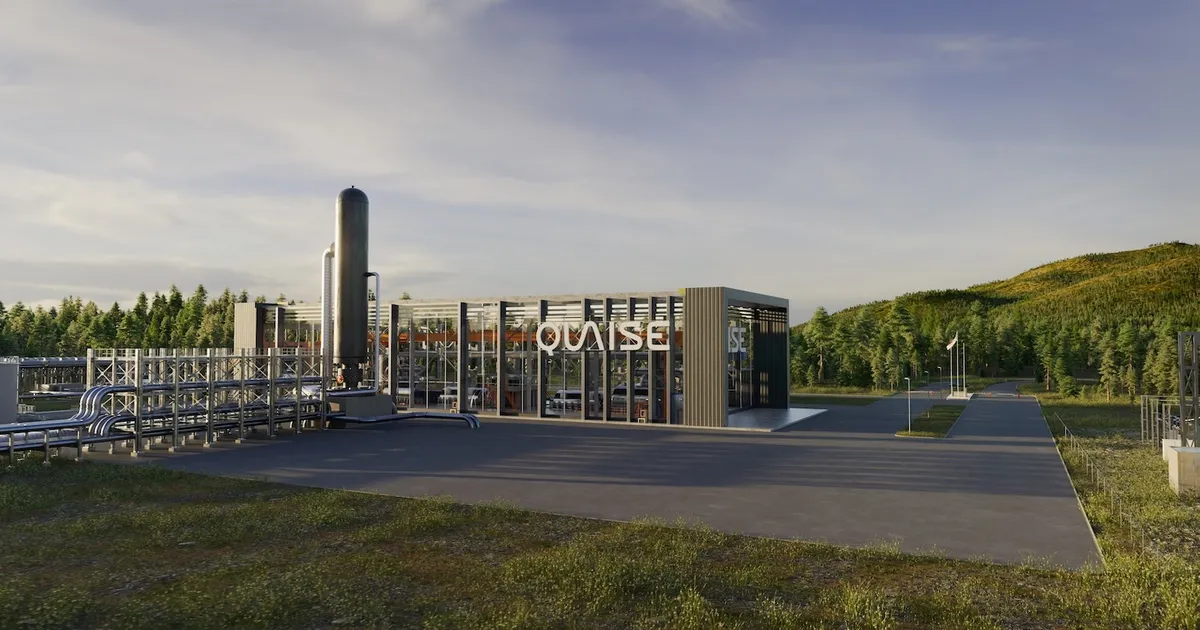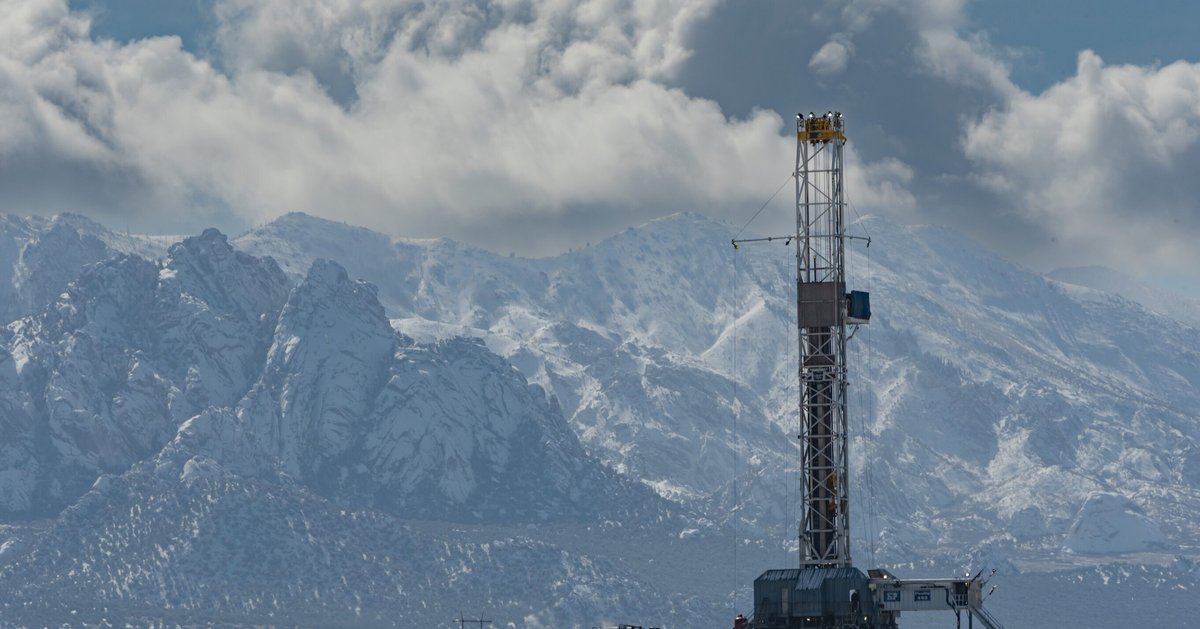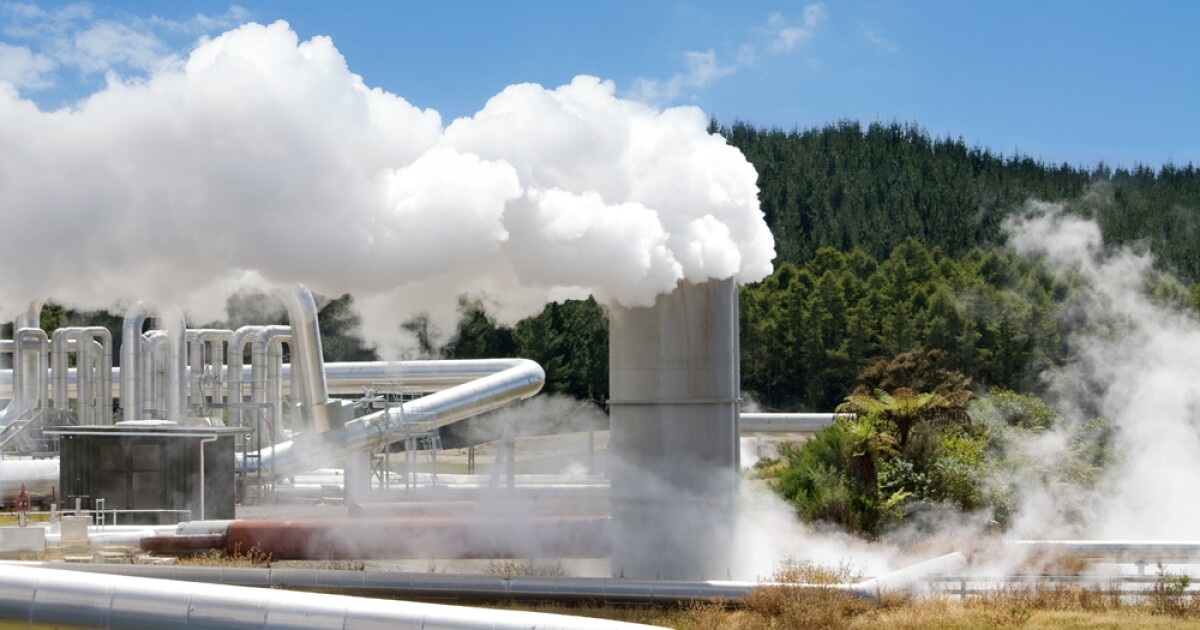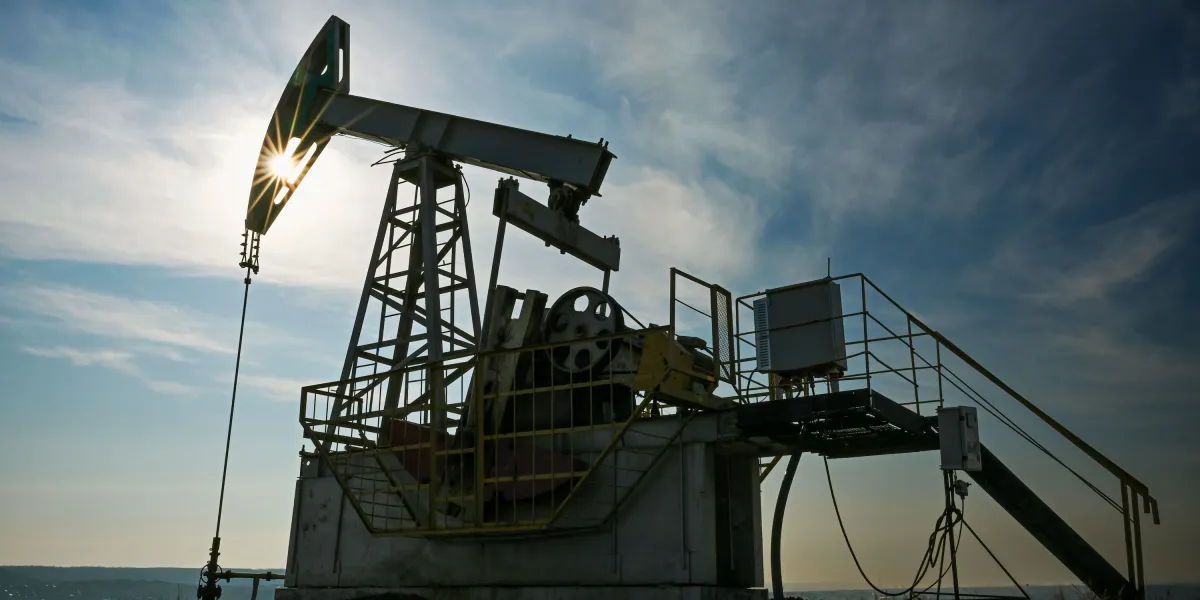
This week, I have a new story out about Quaise, a geothermal startup that’s trying to commercialize new drilling technology. Using a device called a gyrotron, the company wants to drill deeper, cheaper, in an effort to unlock geothermal power anywhere on the planet. (For all the details, check it out here.) For the story, I visited Quaise’s headquarters in Houston. I also took a trip across town to Nabors Industries, Quaise’s investor and tech partner and one of the biggest drilling companies in the world. Standing on top of a drilling rig in the backyard of Nabors’s headquarters, I couldn’t stop thinking about the role oil and gas companies are playing in the energy transition. This industry has resources and energy expertise—but also a vested interest in fossil fuels. Can it really be part of addressing climate change? The relationship between Quaise and Nabors is one that we see increasingly often in climate tech—a startup partnering up with an established company in a similar field. (Another one that comes to mind is in the cement industry, where Sublime Systems has seen a lot of support from legacy players including Holcim, one of the biggest cement companies in the world.)
Quaise got an early investment from Nabors in 2021, to the tune of $12 million. Now the company also serves as a technical partner for the startup. “We are agnostic to what hole we’re drilling,” says Cameron Maresh, a project engineer on the energy transition team at Nabors Industries. The company is working on other investments and projects in the geothermal industry, Maresh says, and the work with Quaise is the culmination of a yearslong collaboration: “We’re just truly excited to see what Quaise can do.”