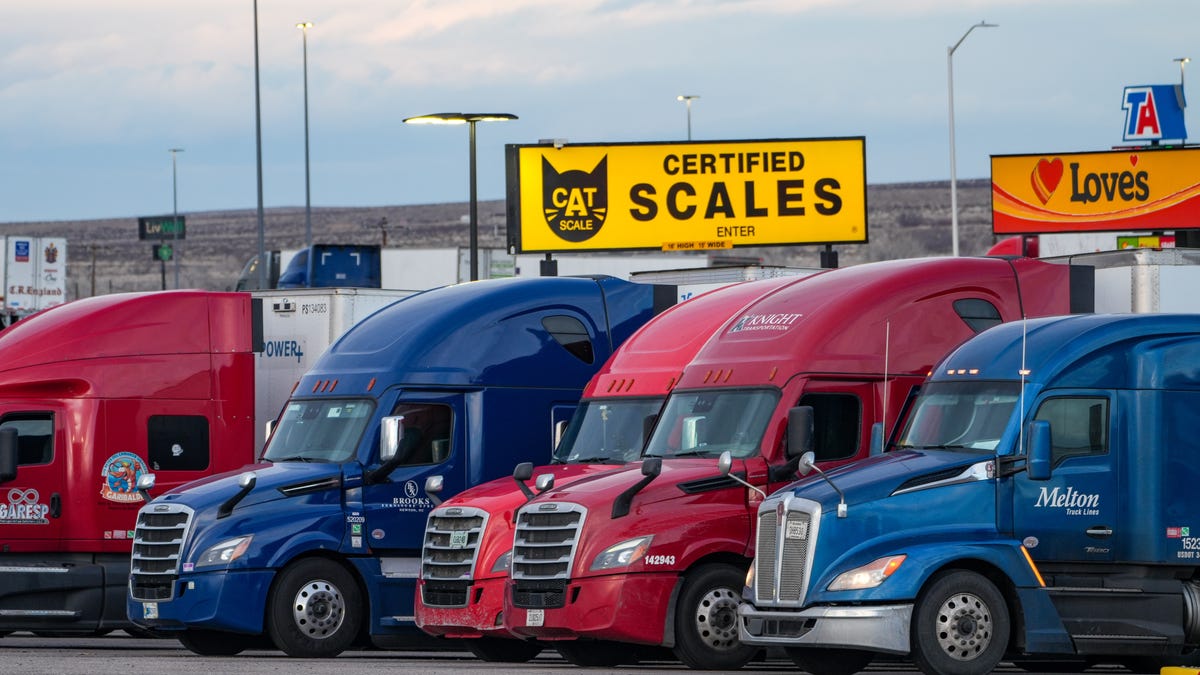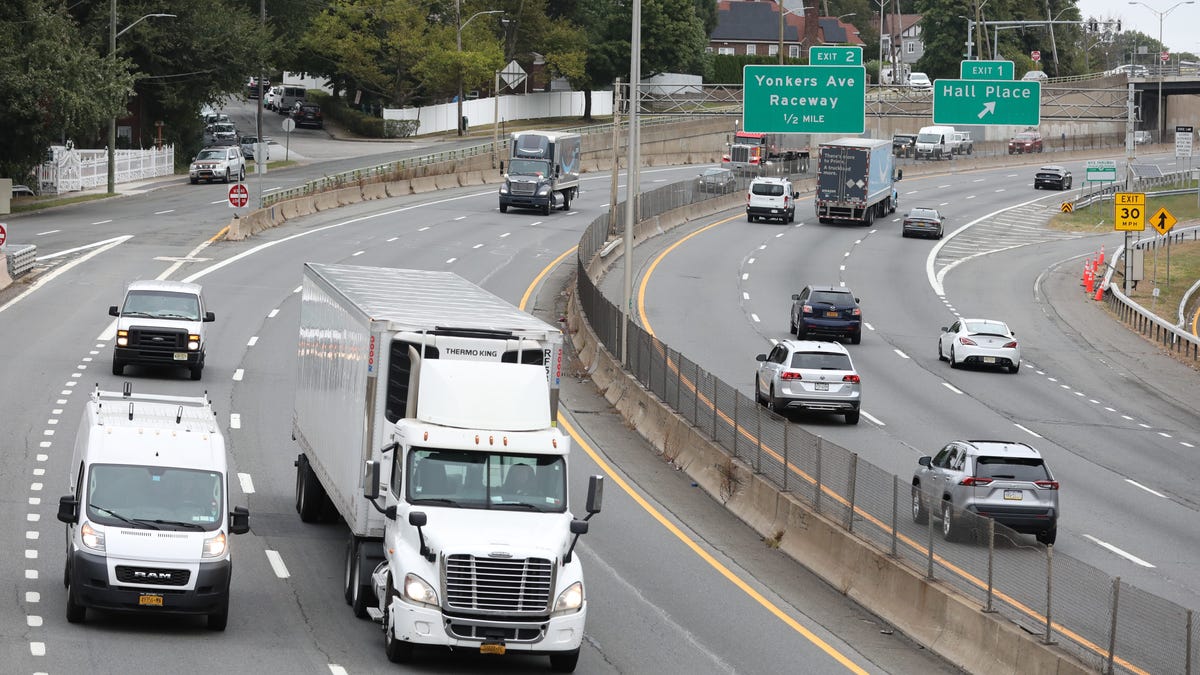
The Trump administration is hitting the brakes on an Obama-era plan that would have created a de facto national speed limit as low as 60 mph for big rigs and buses traveling American highways.
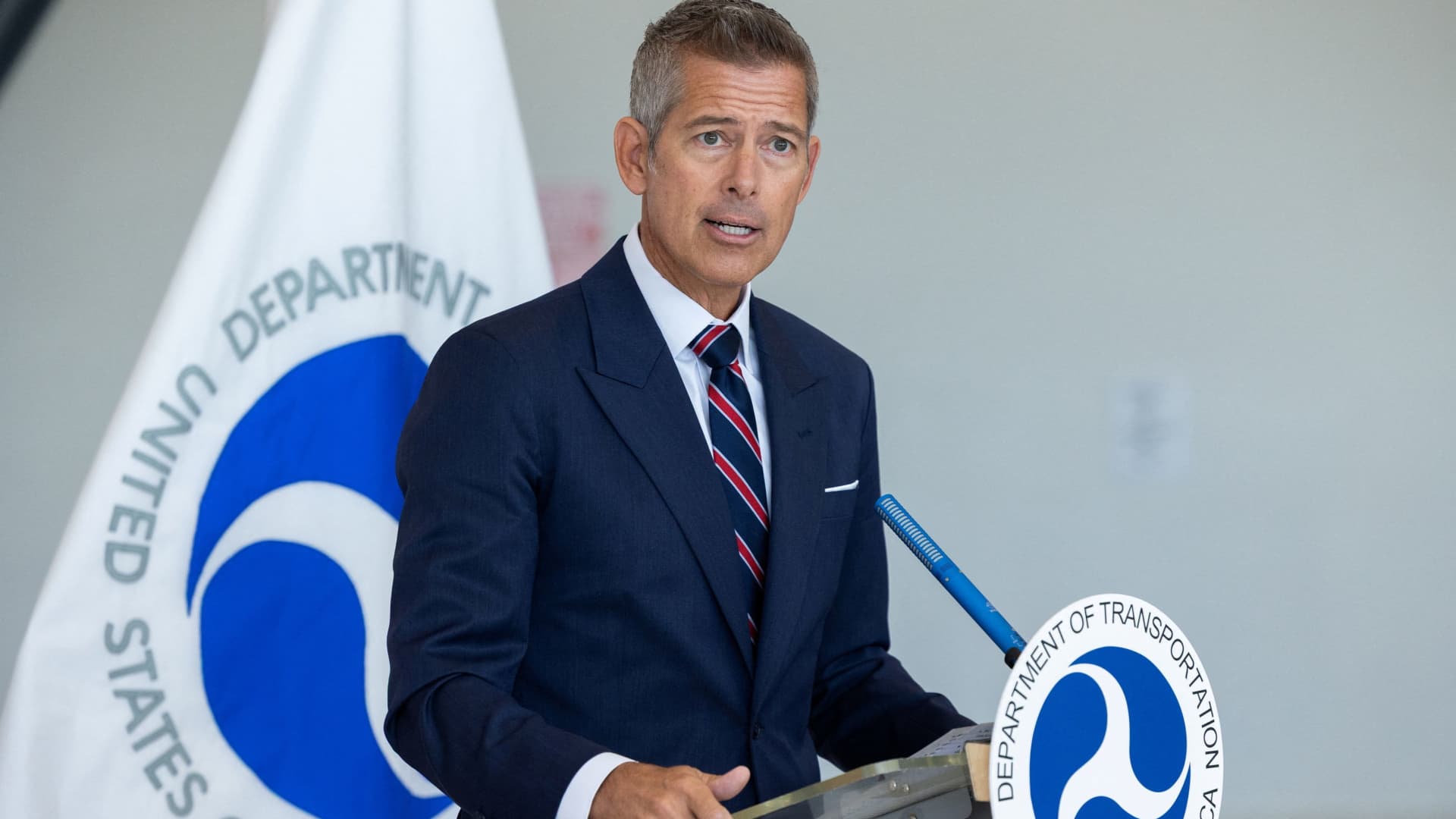
The proposal had been under discussion since 2016, and Trump officials on July 24 formally announced they're dropping the plan, which aimed to reduce the severity of crashes involving heavy vehicles. Obama-era regulators said limiting trucks and buses to no more than 65 mph would save between 63 and 214 lives annually, and save drivers more than $800 million in fuel and emissions costs.
But federal regulators under Trump now say the proposal to install governors on all vehicles weighing more than 26,000 pounds would raise trucking costs and might actually make things worse by stalling traffic and putting more trucks on the road. Regulators said the proposal might have also slowed deliveries, hurt already-low driver pay and pushed more heavy truck traffic onto side streets instead of interstates.
"Because drivers get paid by the mile, the more miles you can put in, well, the incentive is to not slow down," said Henry Albert, 62, an independent owner-operator based in Laredo, Texas.
Albert said he understands why some safety advocates would support the speed restrictions, and said he personally limits his 2022 Freightliner Cascadia to 80 mph. He rarely drives that fast because higher speeds consume more diesel, he added.