https://arab.news/nced7
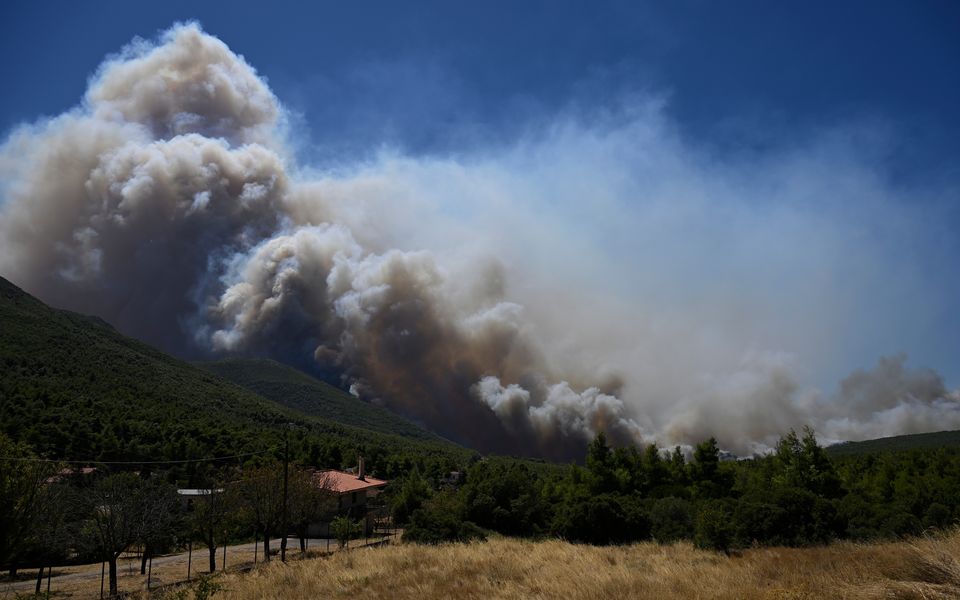
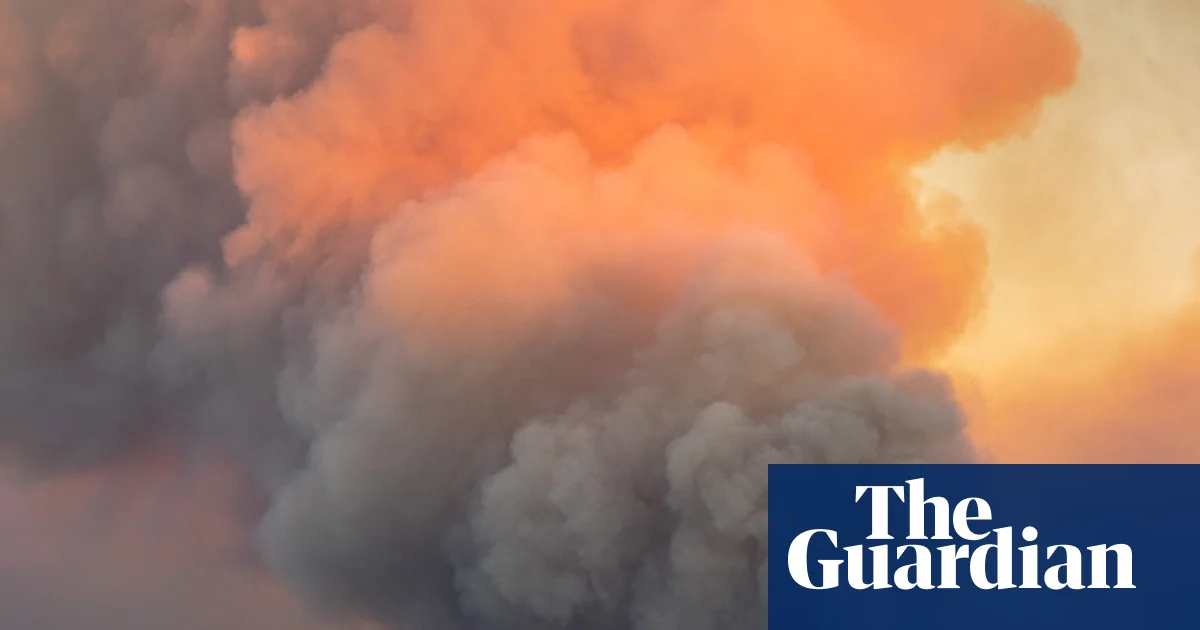
The Mediterranean region has been engulfed by a wave of wildfires unlike anything seen in recent history. From the lush hills of southern Turkiye to the coastal mountains of Syria and from the sun-drenched countryside of France to Greece, vast stretches of land have gone up in flames.
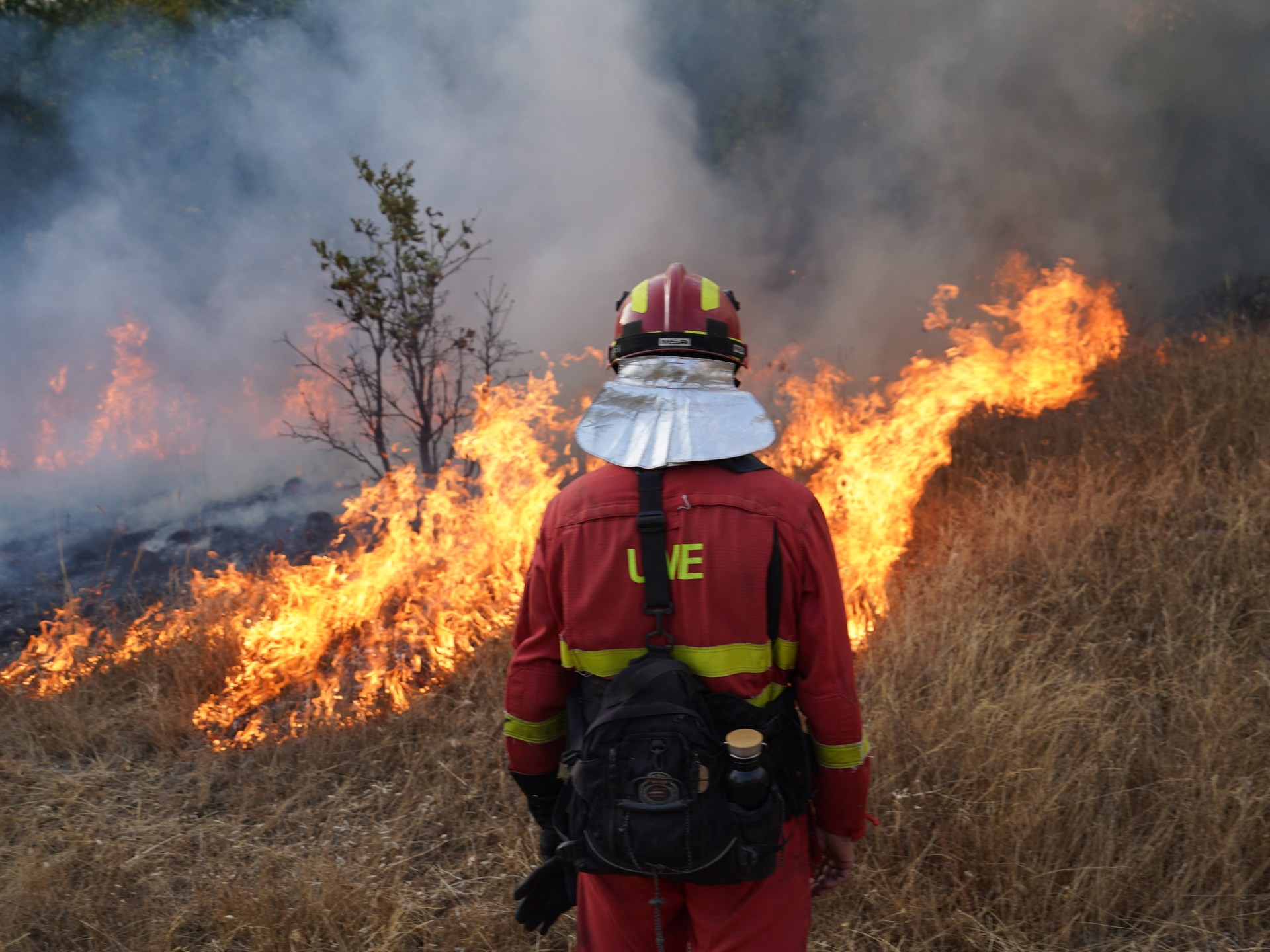
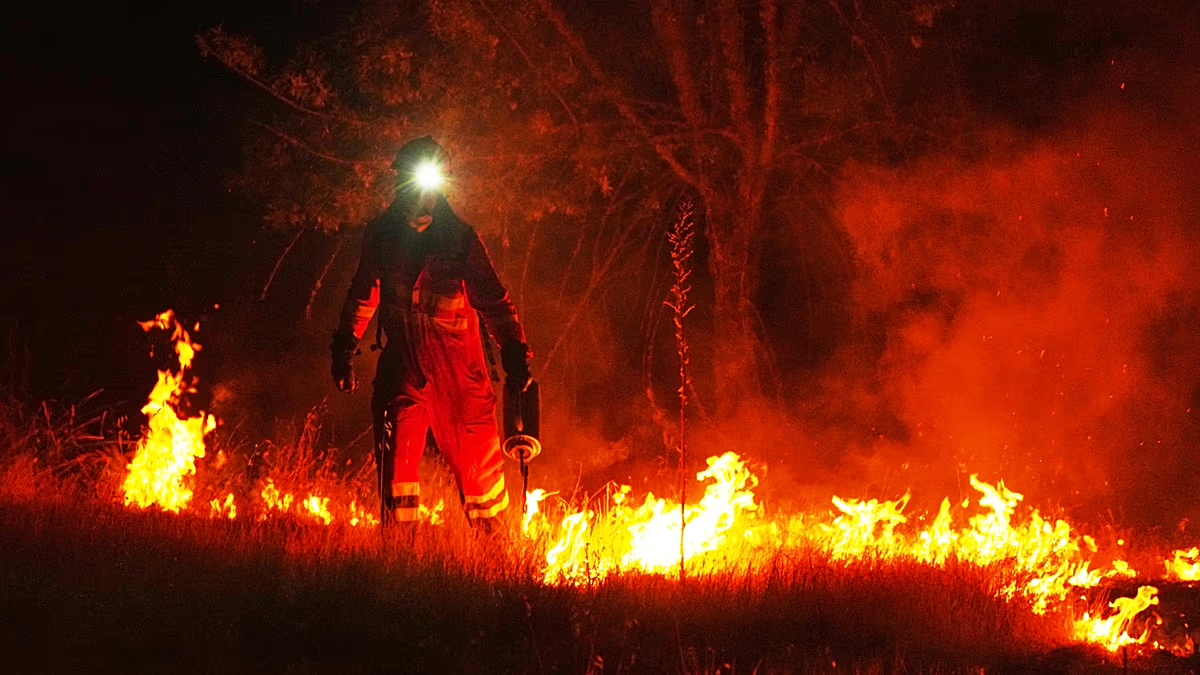
Dense forests and wildlife reserves have been destroyed. Hundreds of homes and businesses have been reduced to ash. Thousands of people have been displaced and dozens have lost their lives, while emergency services are pushed to their limits, battling fires day and night in conditions made worse by soaring temperatures and dry, gusty winds.
The scale and speed of the devastation are unprecedented — and they are not accidental. These fires are not just a tragic coincidence of weather and chance. They are the direct, undeniable consequence of a world whose climate is changing rapidly and dangerously.
The Mediterranean basin has been identified by climate scientists as one of the most vulnerable areas in the world to the impacts of global warming. The region has already warmed by more than 1.5 degrees Celsius compared to preindustrial levels — higher than the global average — and it is warming at a rate approximately 20 percent faster than the rest of the planet. This temperature rise has led to longer, more intense heat waves, reduced rainfall, prolonged droughts and lower soil moisture — all of which create the ideal conditions for wildfires to ignite, spread and burn uncontrollably.