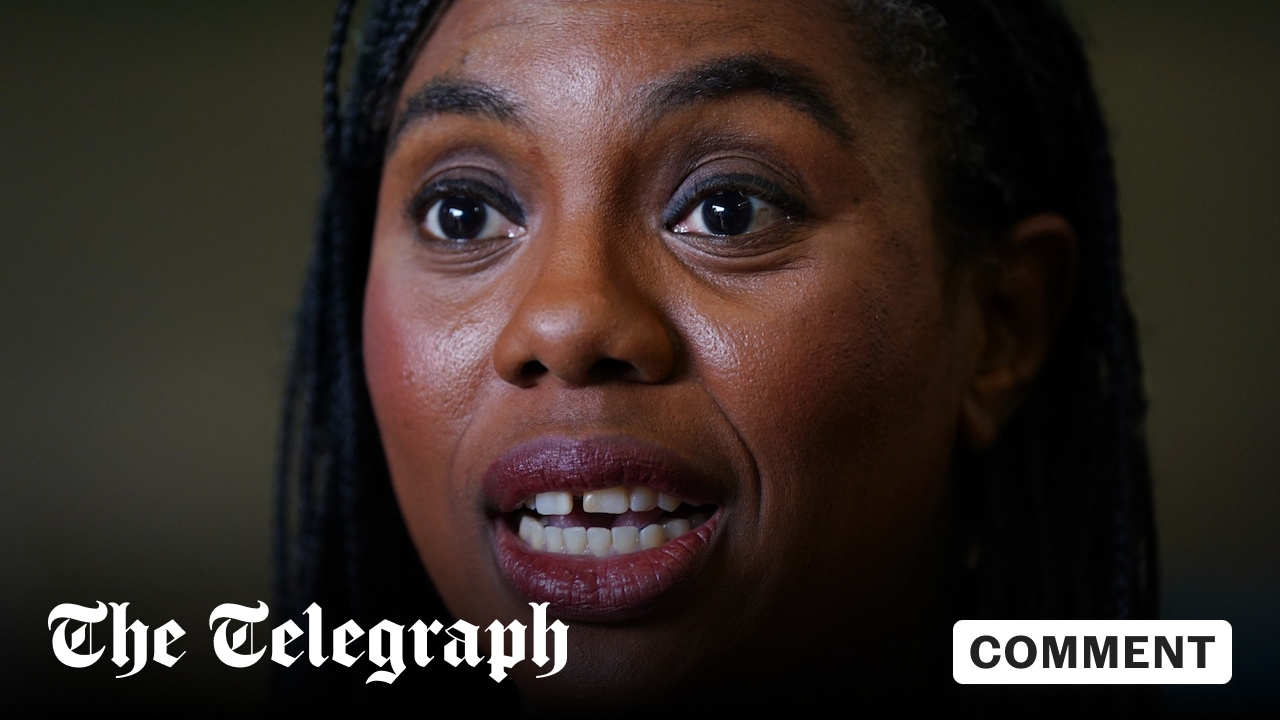
Does Kemi Badenoch’s elevation of a former rival mean the Reform-lite strategy is over? I don’t know and I’m not sure she does either
I
t hardly compares for importance with all the cruelties in Gaza or Sudan. But then little else does that at present. It caused barely a ripple on the parochial surface of British politics either. That’s hardly surprising at a time when Downing Street is warning about summer riots. Tellingly, the Daily Telegraph itself could only muster a single front-page paragraph on it on Wednesday, underneath Ozzy Osbourne’s death and the England women’s football extra-time squeaker.
Yet Kemi Badenoch’s shadow cabinet reshuffle this week should not be totally dismissed. See it instead as an inadequate recognition of an indisputable problem for any contemporary centre-right party, as well as an incoherent attempt to address it. If the Conservative party is very lucky, the reshuffle could be the start of better times. But it is nowhere near that point today. Right now, the reshuffle counts as the merest glimmer amid the Tory gloom. But a glimmer all the same.
The reshuffle’s headline event, in as much as there was one, is the return of James Cleverly to the Conservative frontbench. The official opposition party is, of course, a shadow of what it once was, with only 120 MPs at the last count, and Cleverly is not quite the political heavyweight he pretends. Yet he came within a whisker of leading the party last October. He also has far more spirit and public recognition than most of his colleagues. He stands for a form of continuity conservatism with what remains of the party’s one nation instincts and pragmatic traditions that brought it such success for so long.