Jess Carter’s decision to step away from her social media accounts highlighted the vulnerability female footballers face – we must have zero tolerance for these abuses
W
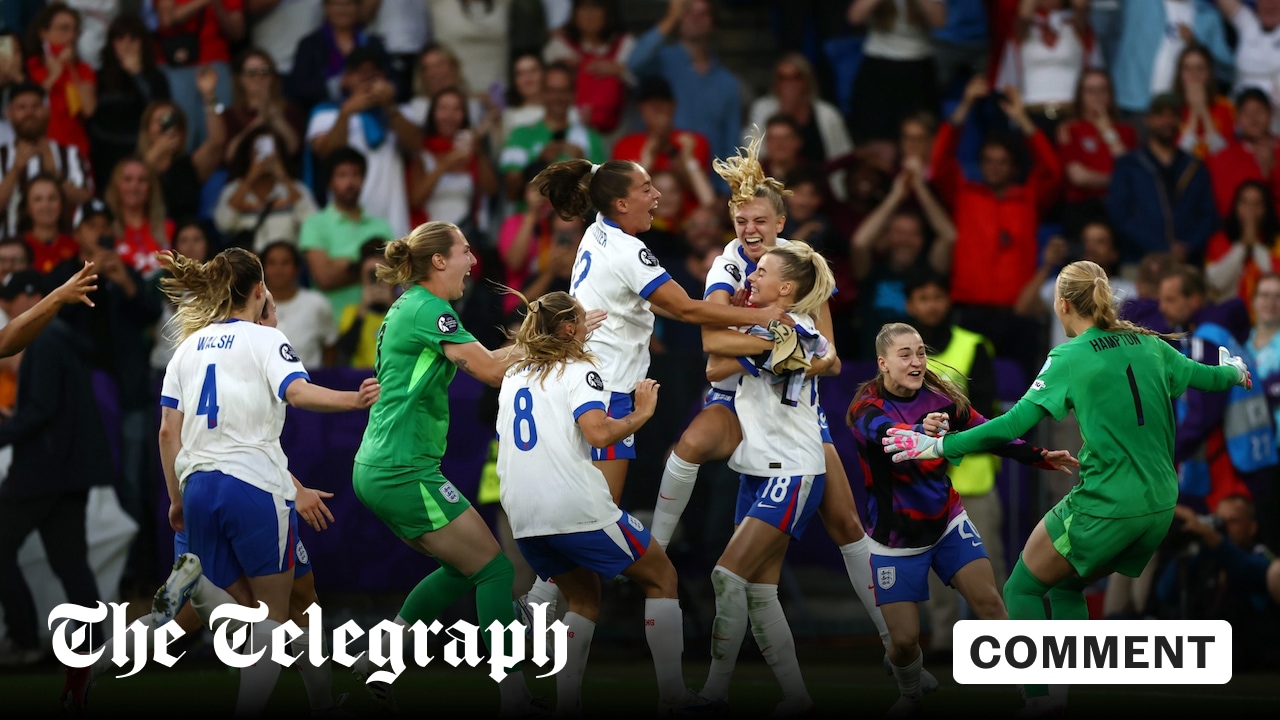
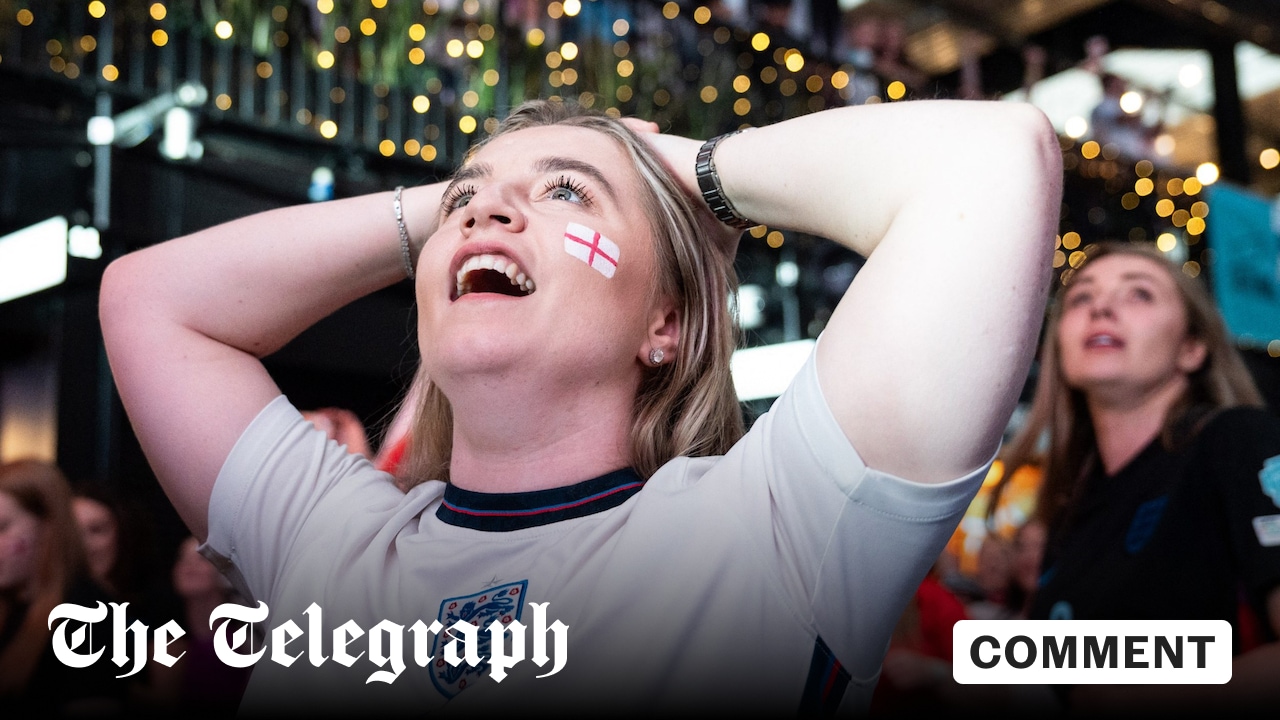
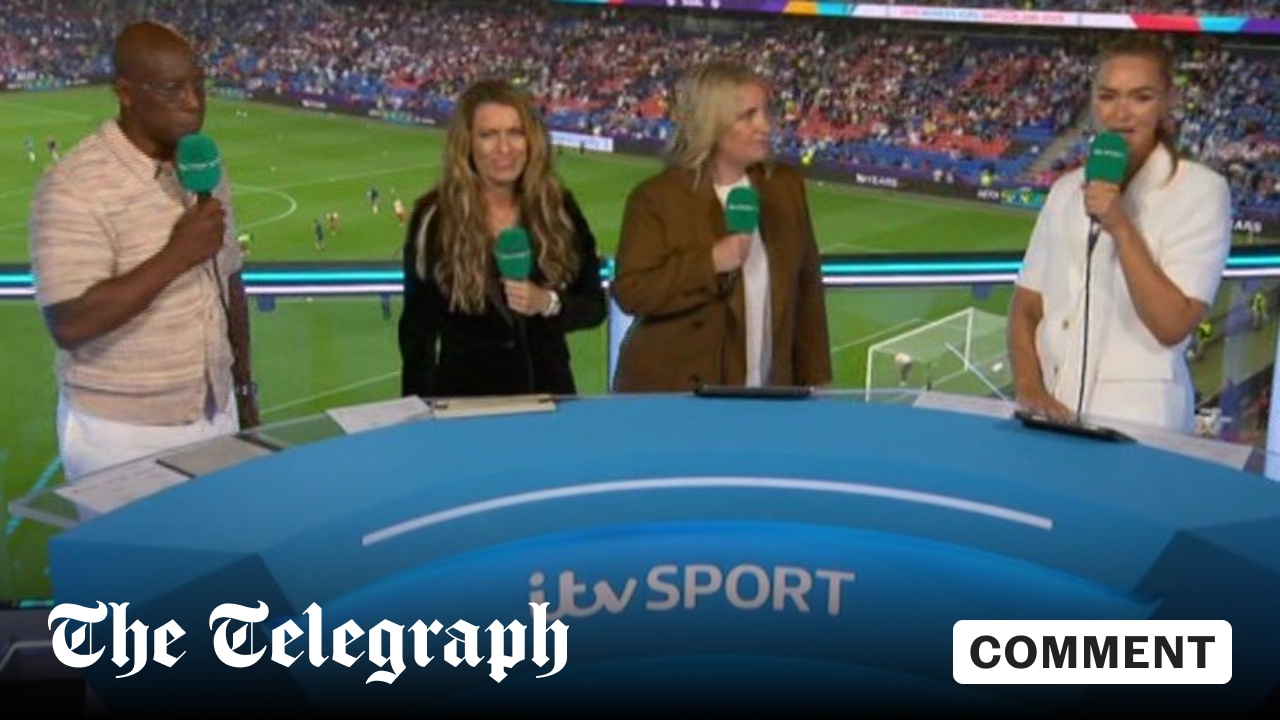
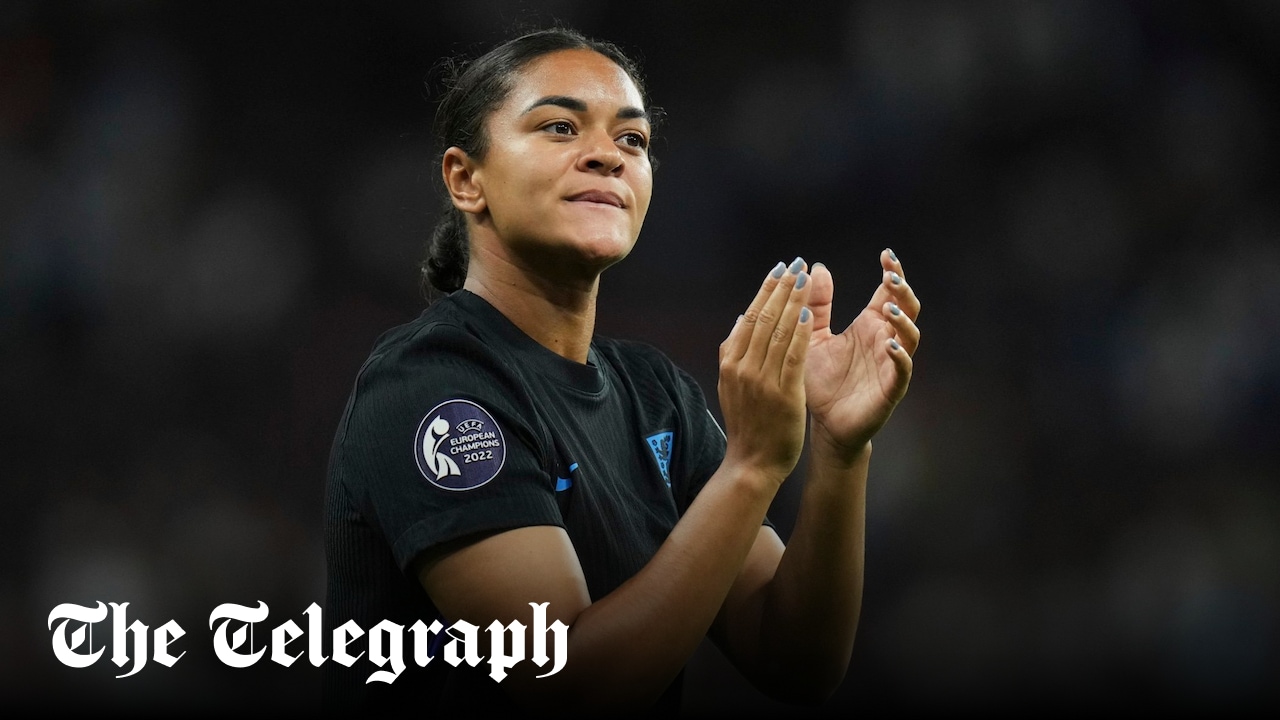
hen the England defender Jess Carter revealed she had been subjected to a barrage of racist abuse on social media during the Uefa European Women’s Championship, it exposed a stark reality: the women’s game is thriving on the pitch but remains deeply vulnerable to discrimination and online abuse off it.
Carter’s decision to step away from her social media accounts highlighted her vulnerability and she received support from England’s head coach, Sarina Wiegman, her teammates and the Football Association. Within hours of her statement, the FA had engaged UK police and begun collaboration with social media companies to trace those responsible – demonstrating an impressively swift and decisive response. In October 2023, the Online Safety Act became law, ensuring social media platforms have a duty to protect users from content such as racist abuse. Platforms have a responsibility to identify and remove harmful content including all forms of hate speech, with Ofcom responsible for enforcing the legislation.
At its core, the fight against racism in football is also a struggle for social justice and human rights. Women constitute 50% of the UK population – collectively a formidable constituency capable of driving cultural change. The unwavering support shown by Wiegman, her backroom staff and the Lionesses squad for Carter illustrates how leadership and community can create a “safe space” for victims, affirming that togetherness is a powerful counterweight to hatred. But solidarity must extend beyond England’s camp.