We and our vendors use cookies and similar methods (“Cookies”) to recognize visitors and remember their preferences. We also use Cookies for a variety of purposes, including analytics, to measure marketing effectiveness and to target and measure the effectiveness of ads. You can accept or reject the use of Cookies for individual purposes below. Some vendors process your data on the basis of their legitimate interest - you can object to such processing below. Your preferences will be saved in a cookie named “fides_consent” for a maximum duration of 12 months, as well as in your registered user account if you are logged in. If you previously accepted these methods through our prior banner, then we will use your data for targeting. Your preferences will apply on nytimes.com, as well as our News, Cooking, Games and Audio apps. Your preferences here are unrelated to Apple’s App Tracking Transparency Framework.
Supported by
By Suresh Naidu
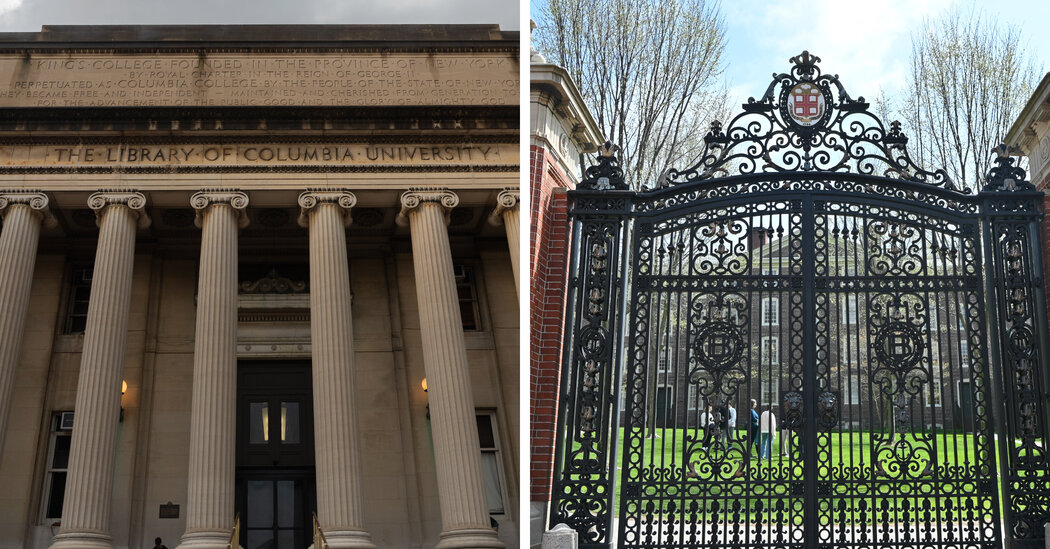
Mr. Naidu is a professor at Columbia University.
In 1672, Charles II unilaterally suspended repayment of 1.2 million pounds to London’s private bankers. Having run up this debt, and unable to finance a flotilla of ships to fight the Dutch, Charles became neither the first nor the last absolute monarch to break his word. James II, his sibling successor, went further, claiming royal prerogative to bypass laws and purge Protestant judges, generals and functionaries. The solemn oaths he made at his coronation, to respect Parliament and the Church of England, wound up being worth not very much.