We and our vendors use cookies and similar methods (“Cookies”) to recognize visitors and remember their preferences. We also use Cookies for a variety of purposes, including analytics, to measure marketing effectiveness and to target and measure the effectiveness of ads. You can accept or reject the use of Cookies for individual purposes below. Some vendors process your data on the basis of their legitimate interest - you can object to such processing below. Your preferences will be saved in a cookie named “fides_consent” for a maximum duration of 12 months, as well as in your registered user account if you are logged in. If you previously accepted these methods through our prior banner, then we will use your data for targeting. Your preferences will apply on nytimes.com, as well as our News, Cooking, Games and Audio apps. Your preferences here are unrelated to Apple’s App Tracking Transparency Framework.
Supported by
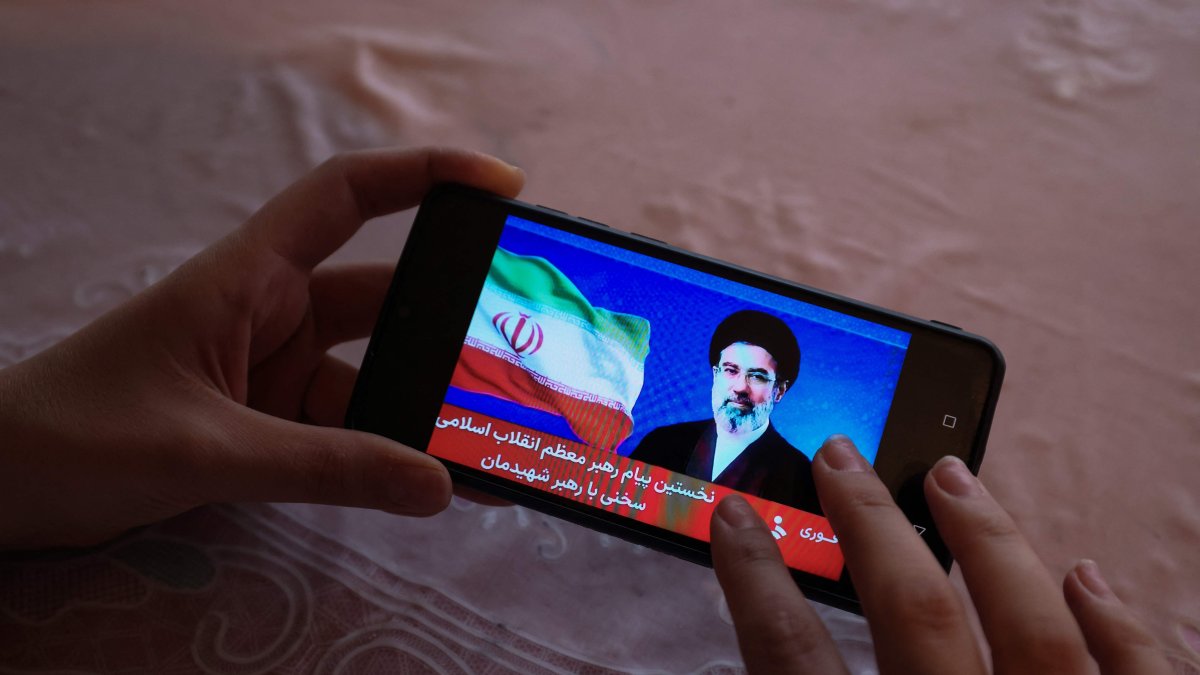
The theocratic government is repurposing folklore and patriotic anthems as it seeks to channel national outrage into increasing its support at home.
By Erika Solomon and Sanam Mahoozi
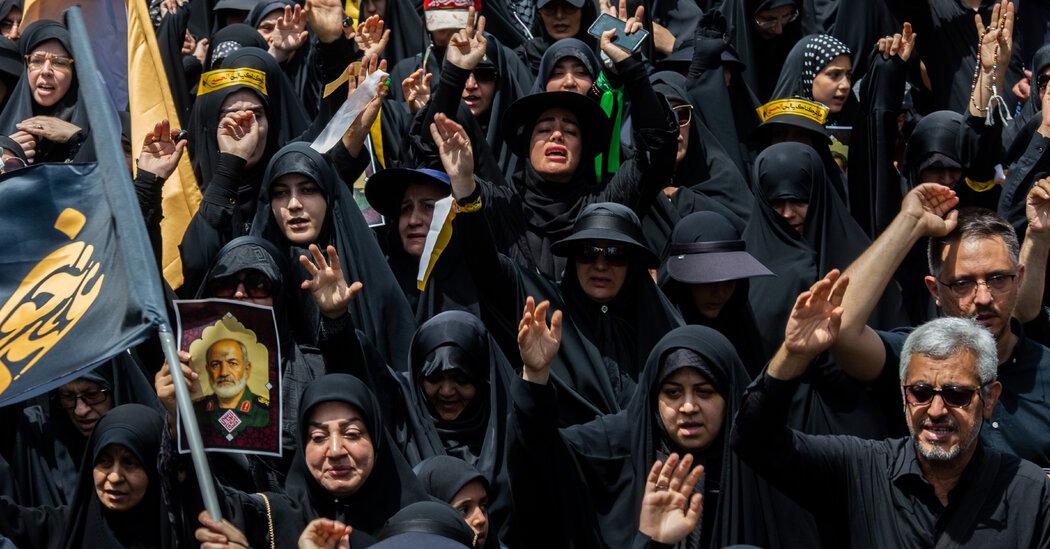
The event had all the typical trappings of Ashura, Iran’s ritualistic Shiite Muslim mourning period. The kneeling crowds were dressed in black. They beat their chests in unison. Then, Iran’s supreme leader, Ayatollah Ali Khamenei, beckoned the man leading the chants, videos of the event showed, and whispered in his ear.