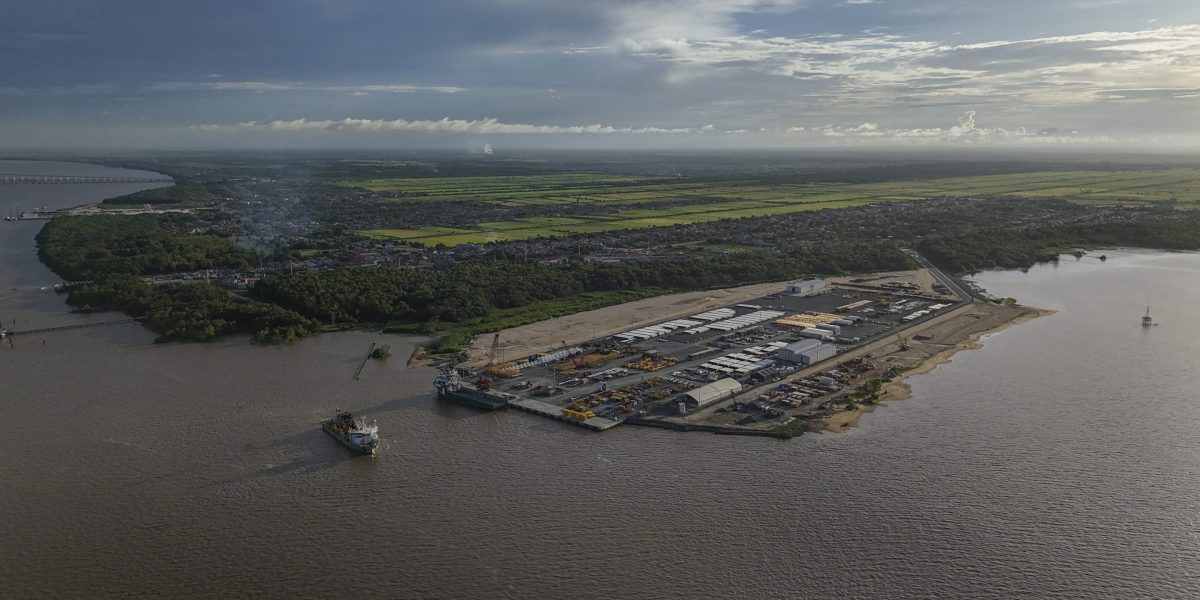
Chevron’s completion of its $55 billion acquisition of US independent Hess on Jul. 18 closes the book on a 19-month saga — and one of the industry’s largest deals of the past decade. Exxon Mobil’s attempts to claim preemption rights on Hess’ prized Stabroek stake offshore Guyana fell flat with the International Chamber of Commerce (ICC) arbitration panel, allowing the delayed Chevron deal to proceed. Here, Energy Intelligence outlines four key takeaways from the US major’s transformative merger.
Exxon and Chevron both contend that the world will require robust oil and gas output for decades to come — even if Exxon sees limited remaining upside for oil demand growth — and have opted to play for rising market share. Exxon and Chevron are already ranked fifth and sixth, respectively, among global oil and gas producers, according to Energy Intelligence’s Top 100 Global NOC and IOC Rankings, bested only by Saudi Aramco, National Iranian Oil Co., China National Petroleum Corp. and Russia’s Rosneft. And while the US supermajors’ rankings are unlikely to move higher given the substantial national reserves held by those four state sponsors, the US companies’ recent big M&A moves are drawing a deeper dividing line between them and those further down the rankings.