Winners and losers
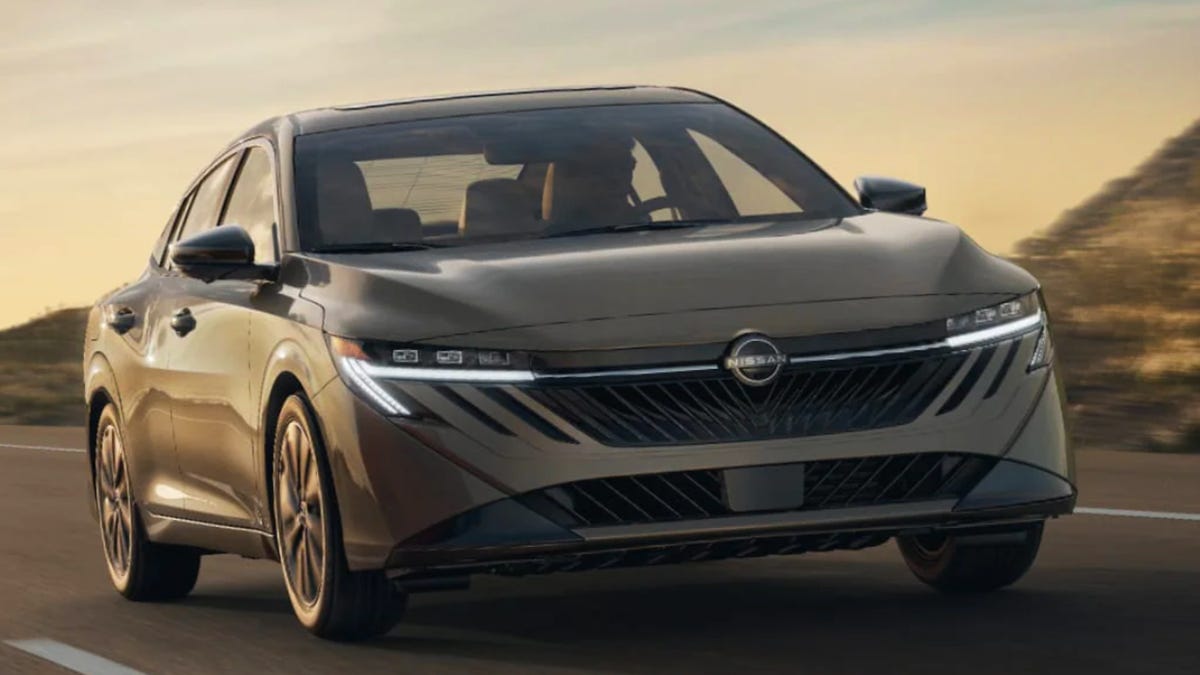
However, averages conceal a lot, and not all cars are becoming more expensive. US-made vehicles got cheaper to the tune of $191 per car, and cars.com says that more and more consumers are searching for domestically made vehicles to save money. Imports from the UK have gotten the most expensive—increasing by an average of $10,129—since these are almost all luxury cars with high purchase prices. (A new, lower tariff was recently negotiated by the UK.) A less pronounced effect can be seen with vehicles from the EU, where the mix still contains plenty of premium cars; average EU car prices in the US have risen $2,455 since the start of the year. Japanese imports are in third place, with an average increase of $1,226.
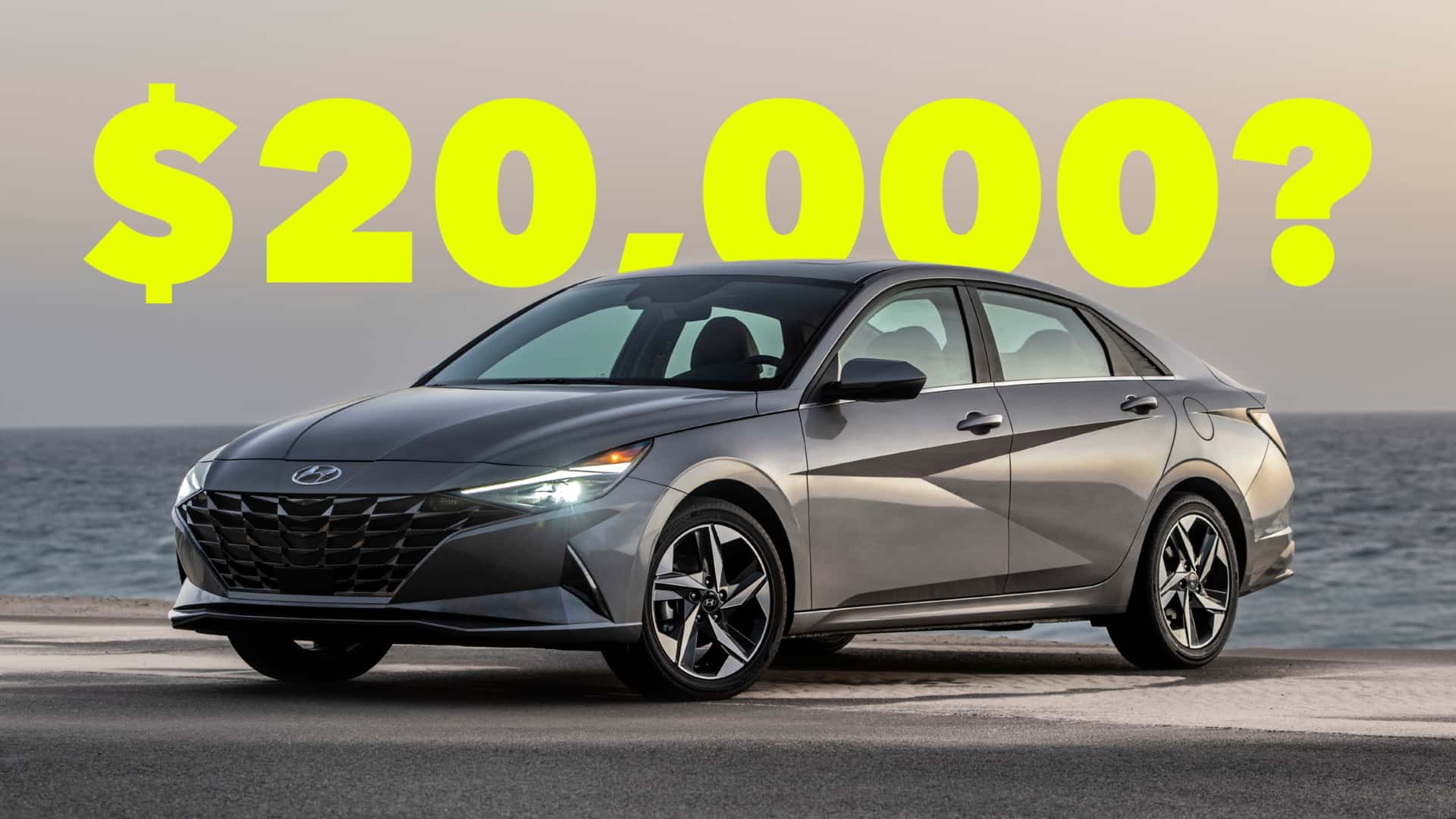
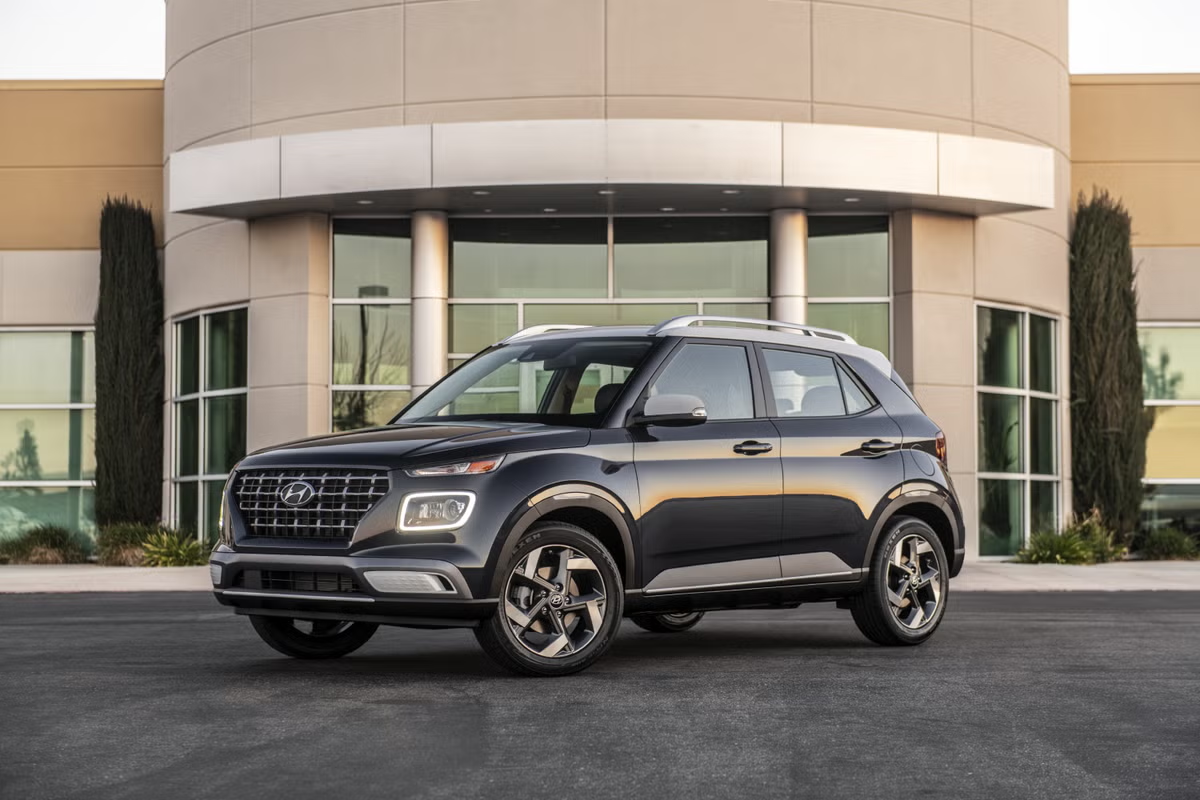
But imports from South Korea, China, and Canada have also dropped in average price. Some of this is due to a reduction of imports or a change in trims—General Motors is bringing in fewer cars from South Korea, and both it and Hyundai are bringing over more cars with lower trim levels.
Which is a spot of good news for the bargain hunter. While the perception is that dealerships only stock fully loaded vehicles, cars.com found that 34 percent of new car inventory is made up of low trim-level vehicles, up from 30 percent two years ago. And only a quarter of new vehicles are fully loaded. Meanwhile, it’s the middle that’s been squeezed, as mid-level trims make up 41 percent of new vehicle inventory, down from 46 percent in 2023.