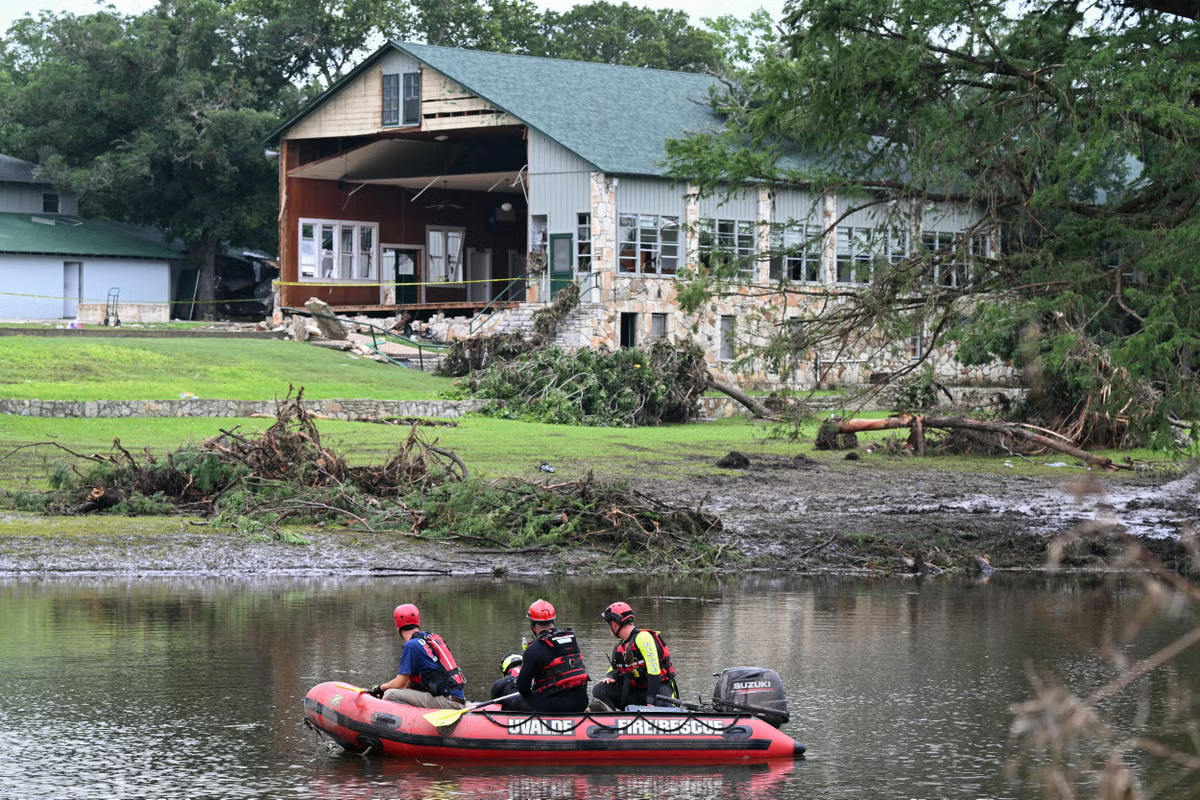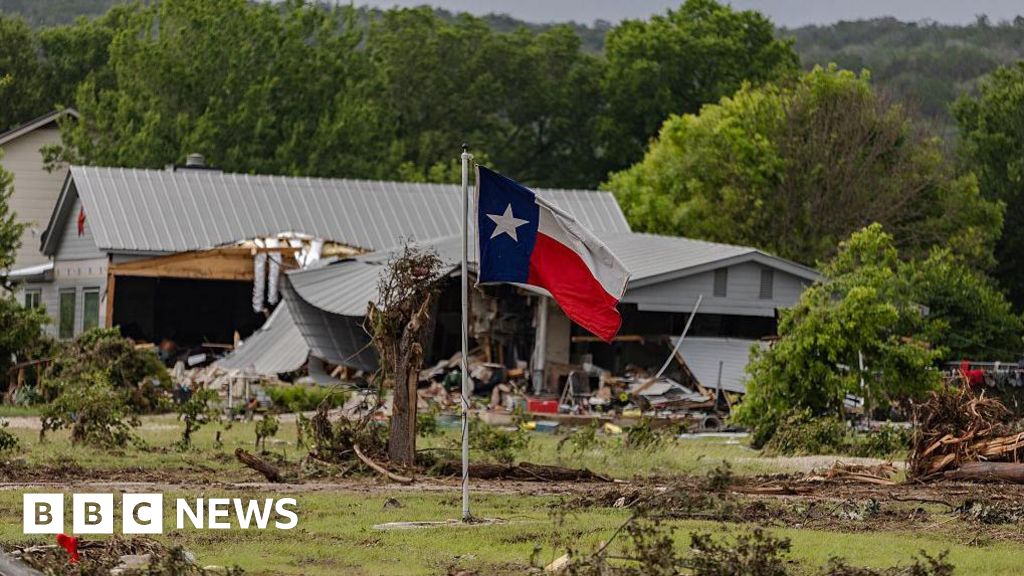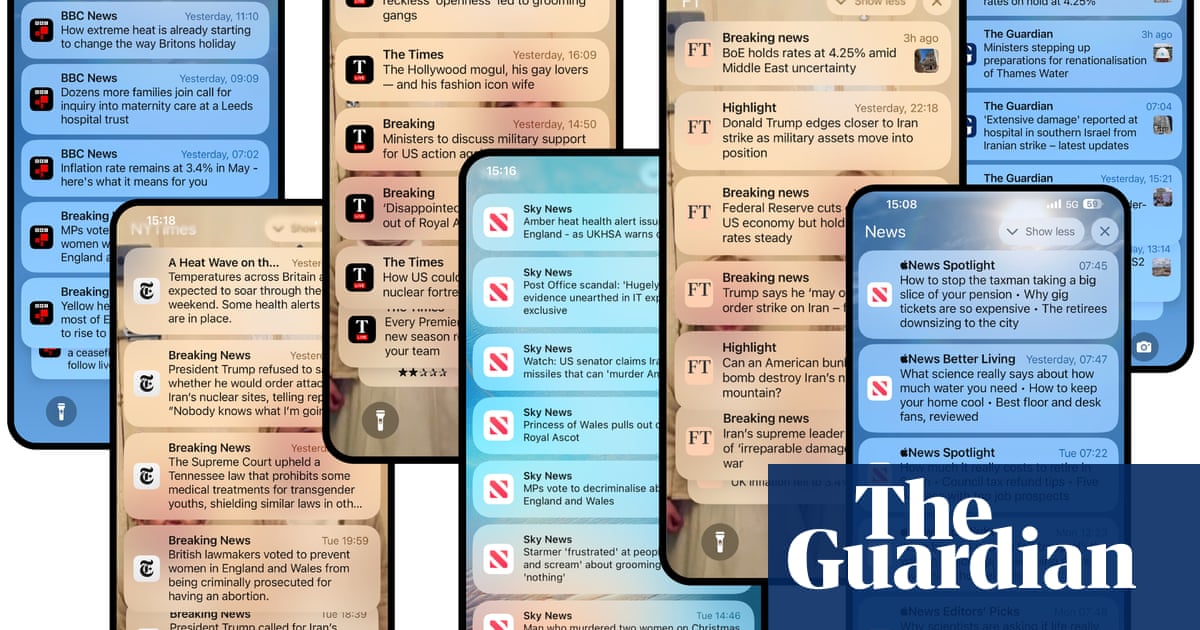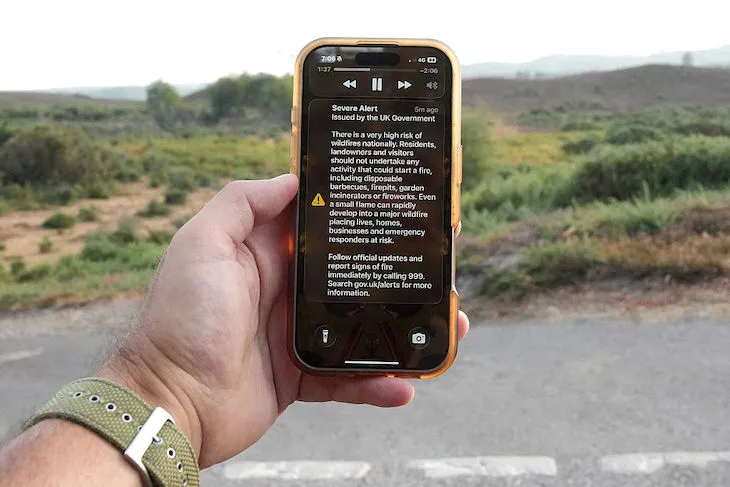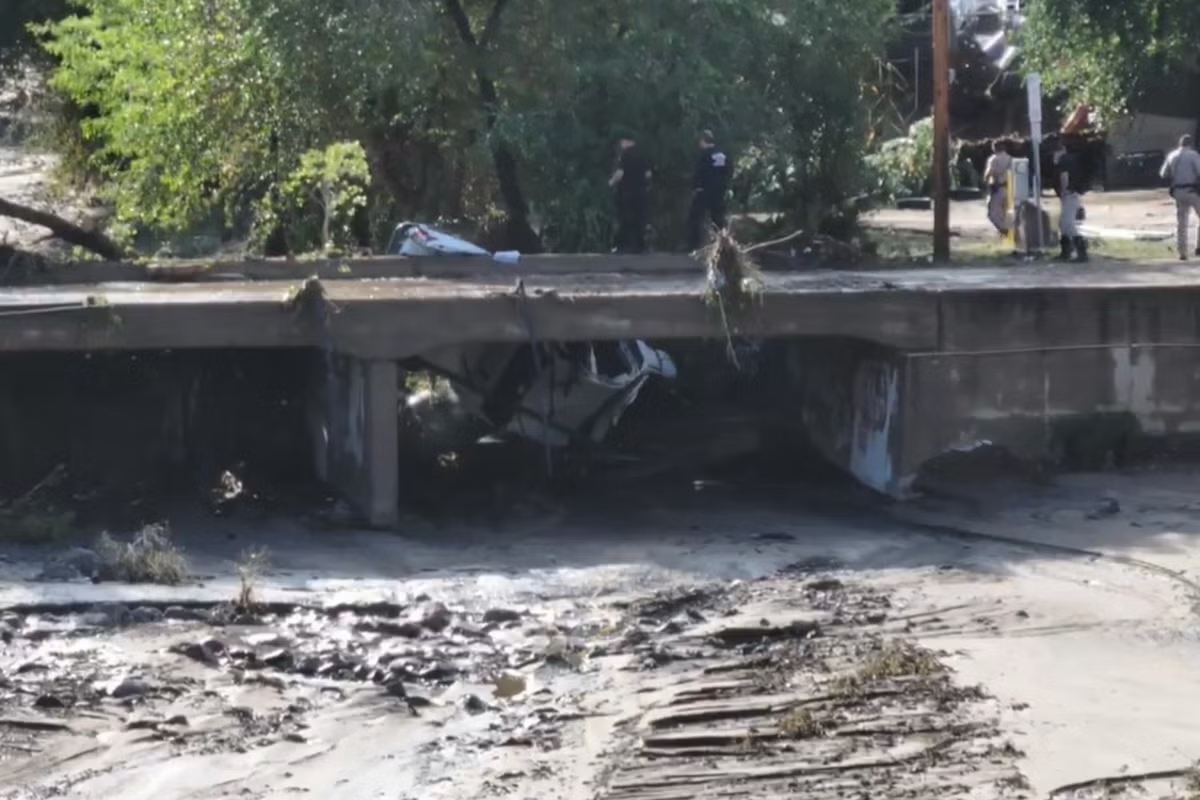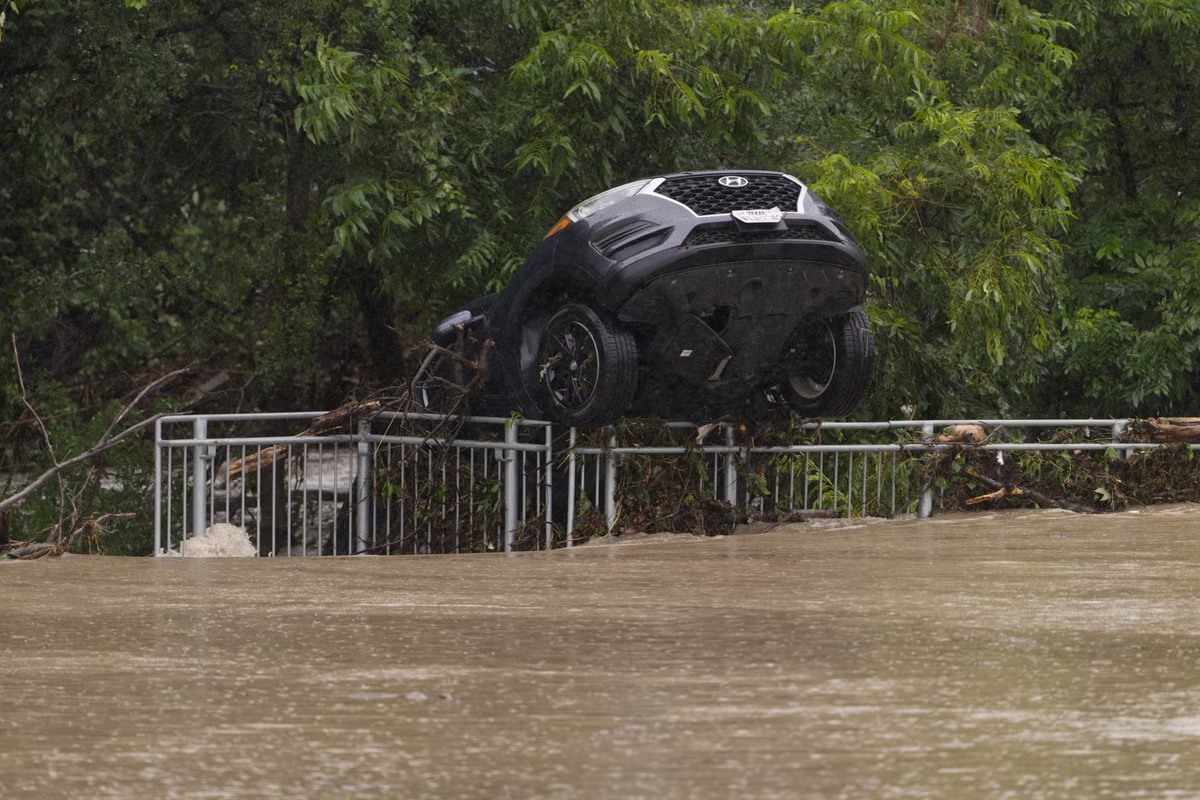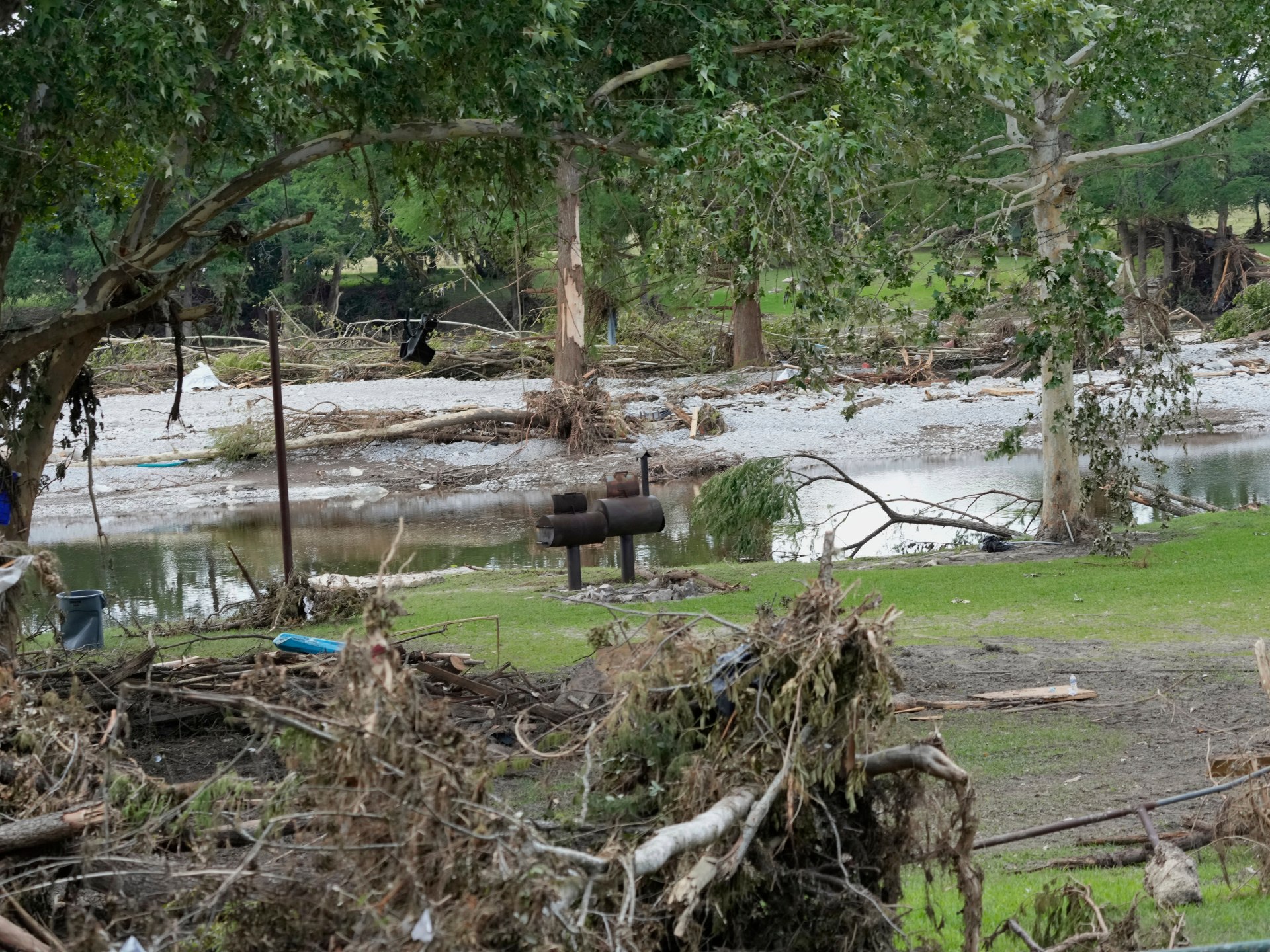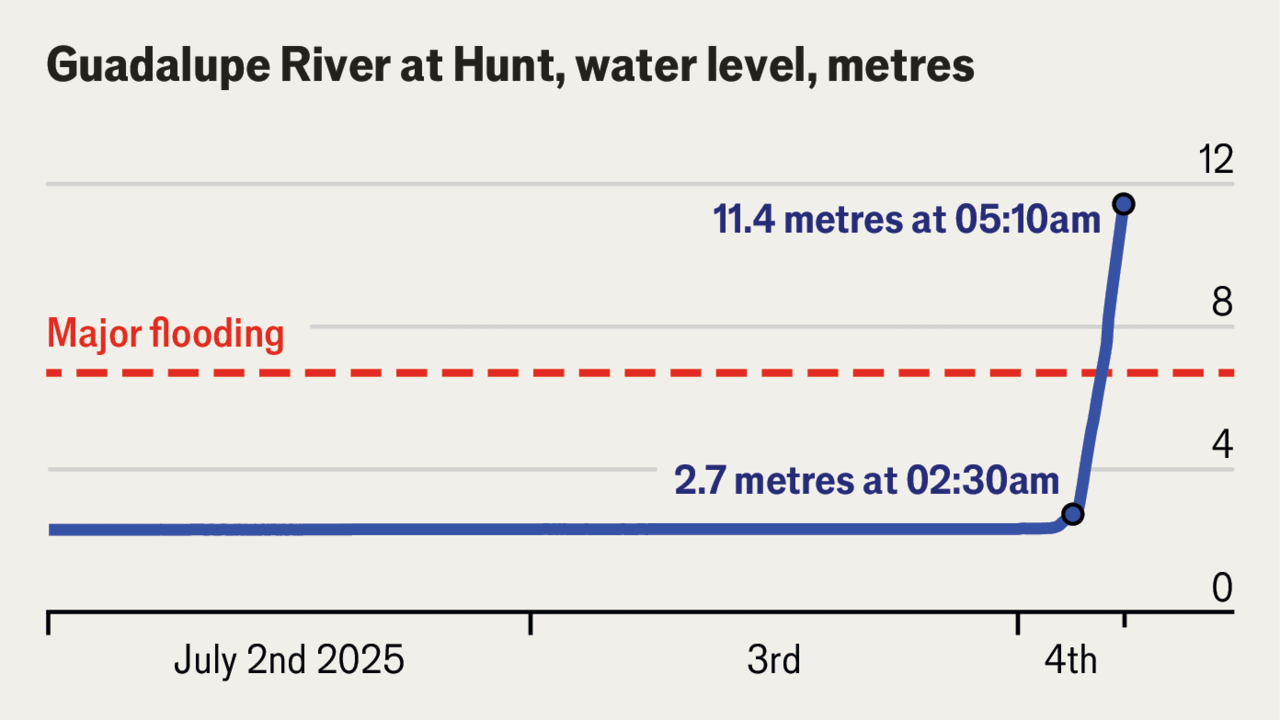
Stay up to date with notifications from The IndependentNotifications can be managed in browser preferences.AllNewsSportCultureLifestyleDestructive flash flooding in central Texas, specifically Kerr County, has led to at least 121 fatalities and over 170 people missing after the Guadalupe River overflowed. Many affected individuals did not receive emergency warnings due to a lack of mobile phone service, silenced notifications, or not having their devices present. The tragedy underscores the problem of alert fatigue, where an abundance of warnings causes people to disable notifications, increasing their vulnerability during emergencies. Challenges in the emergency alert system include the difficulty of predicting flash floods, overly broad warnings, and rural authorities lacking funding or expertise to issue effective alerts. While the FCC is developing improvements like muted alerts for less severe situations, these changes are not anticipated until 2028, highlighting ongoing deficiencies in public warning systems. In fullWhat is ‘alert fatigue’ and how is it causing a big problem in getting people to leave ahead of a disaster?Thank you for registeringPlease refresh the page or navigate to another page on the site to be automatically logged inPlease refresh your browser to be logged in
How ‘alert fatigue’ impacts communities during natural disasters
Stay up to date with notifications from The IndependentNotifications can be managed in browser preferences.AllNewsSportCultureLifestyleDestructive flash flooding in central Texas, specifically Kerr County, has led to at least 121 fatalities and over 170 people missing after the Guadalupe River overflowed. Many affected individuals did not receive emergency warnings due to a lack of mobile phone service, silenced notifications, or not having their devices present. The tragedy underscores the problem of alert fatigue, where an abundance of warnings causes people to disable notifications, increasing their vulnerability during emergencies. Challenges in the emergency alert system include the difficulty of predicting flash floods, overly broad warnings, and rural authorities lacking funding or expertise to issue effective alerts. While the FCC is developing improvements like muted alerts for less severe situations, these changes are not anticipated until 2028, highlighting ongoing deficiencies in public warning systems. In fullWhat is ‘alert fatigue’ and how is it causing a big problem in getting people to leave ahead of a disaster?Thank you for registeringPlease refresh the page or navigate to another page on the site to be automatically logged inPlease refresh your browser to be logged in