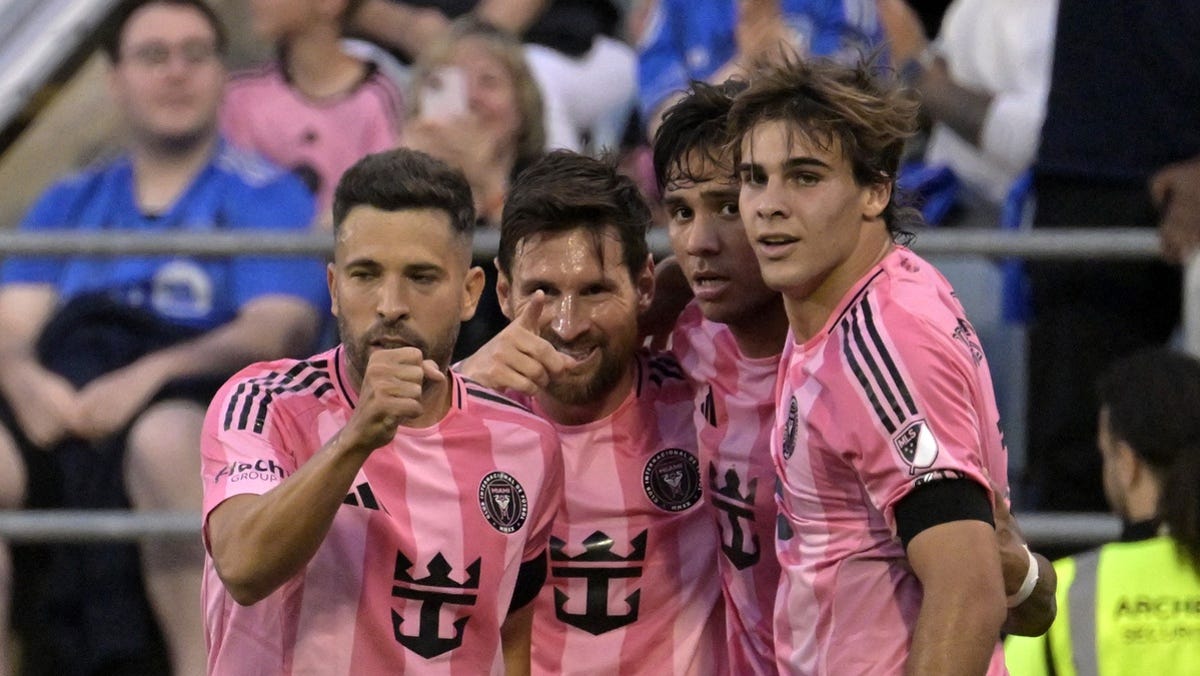
Thirty years is a long time for anything to evolve, and Major League Soccer has been on a particularly long, sometimes fraught journey in its first three decades.
It's hard to think about a league that largely lives on a streaming platform existing before home internet was even remotely common, but MLS's path to this point has taken plenty of turns. A league that started in 1996 with 10 teams, tie-breaking 35-yard shootouts, and some obnoxiously American team names now has 30 franchises largely playing in purpose-built stadiums, trying — sometimes too hard — to offer a simulacrum of elite European norms in the sport.
The standard of play has improved dramatically. It's not so much the top-level stars — the first wave of MLS's star signings were also global names with major accomplishments at the top of the sport — but rather the rank-and-file. The difference between what constituted an average MLS role player in the old days and today may be the single biggest area of progress the league has made in these 30 seasons, and the league deserves a lot of credit on that front.
That said, it has in no way been an easy, steady trajectory toward greatness. FC Dallas owner Clark Hunt revealed in 2016 that at least in business terms, MLS flatlined for a couple of days. According to Hunt, his father Lamar rallied investors in 2001 to keep the league alive after an informal decision had been made to shut it down entirely. The party started with major investment, but owners weren't willing to lay out for the same class of player once the stars that were so critical in the early days started to show their age.