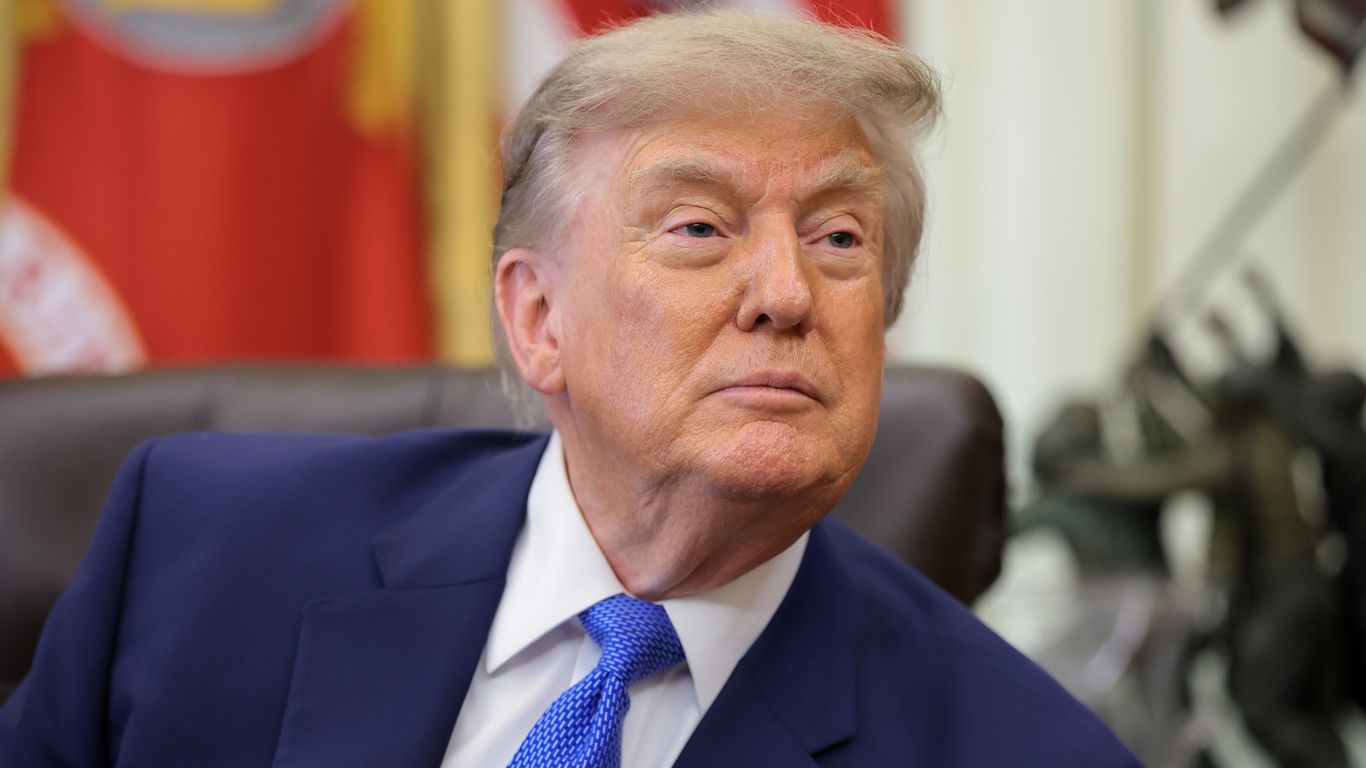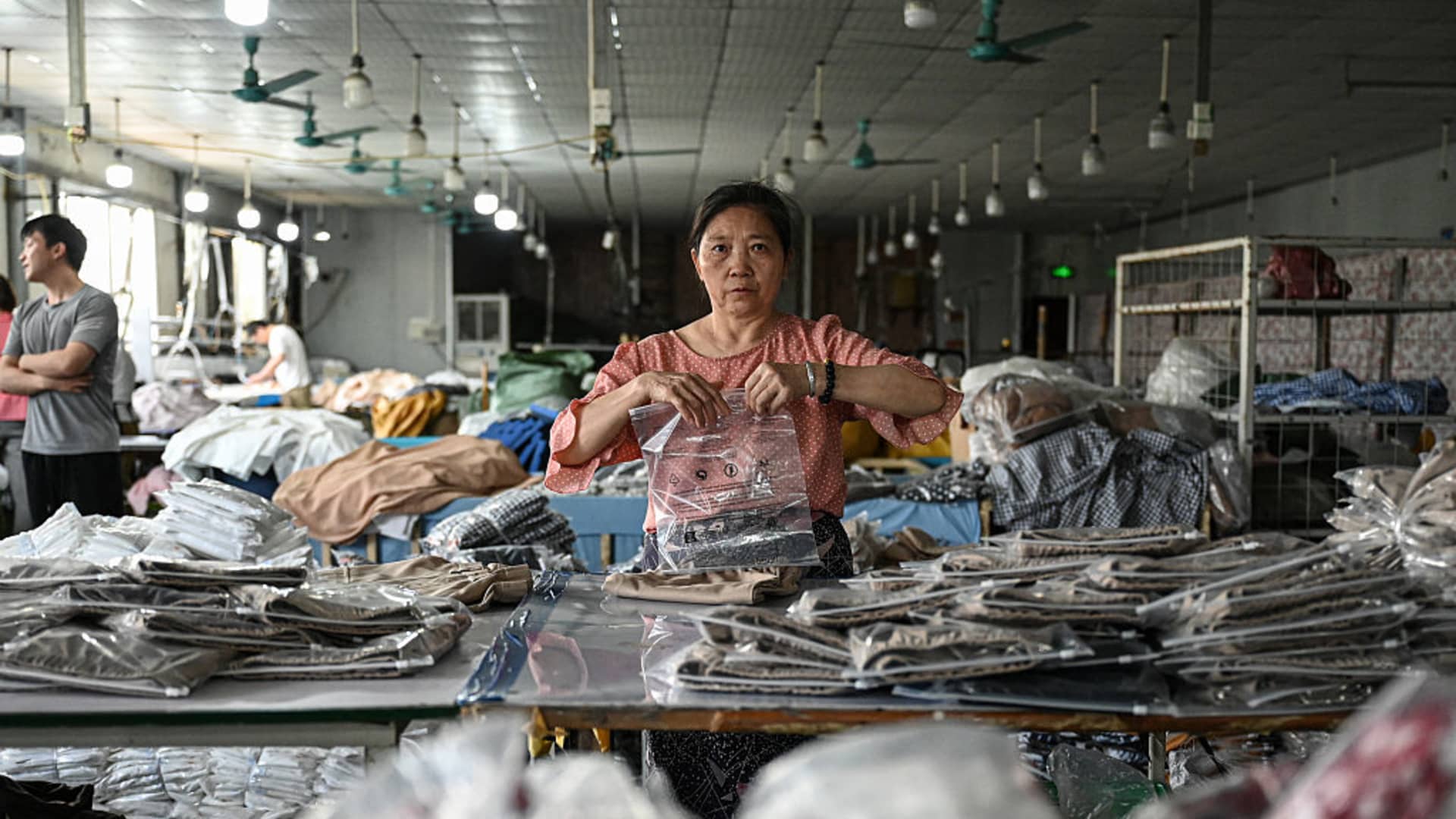
As President Donald Trump intensifies his trade war to stack up tariffs on many Asian countries that produce the goods that consumers in the U.S. rely on, low-cost Asian retail upstarts Temu and Shein may yet find a way back to big success in the U.S. market.
The Asian rivals to Amazon were directly targeted by Trump in the removal of the tax-exempt status on low-volume shipments from overseas, the so-called de minimis tax. In May, Temu temporarily stopped shipping from China to the U.S. But as the trade war hits all the goods manufacturers across Asia, some retail experts say Temu and Shein may ultimately prevail with business models designed to eke out margins in a tough environment.
“The trade wars can help Shein and Temu,” said Les Mandelbaum, president of modern home decor company, Umbra, which makes its goods in Vietnam. “The Trump administration thinks they have been weakened, but even with the tariffs, they are the cheaper alternative for consumers. The companies have been flexible in adapting, and they have warehouses in the U.S. I don’t think they are weakened to the degree the administration hoped.”
Ed Sander, analyst at Tech Buzz China, said that by the surface numbers, the two Asian low-cost retailers have been clearly weakened by the trade war. Even with a pause in the steepest tariffs on Chinese goods, direct-to-consumer shipments from China after the cancellation of the de minimis tax exemption reach a tariff rate of 54%, and that has erased a significant amount of the price advantage that Temu and Shein previously had.