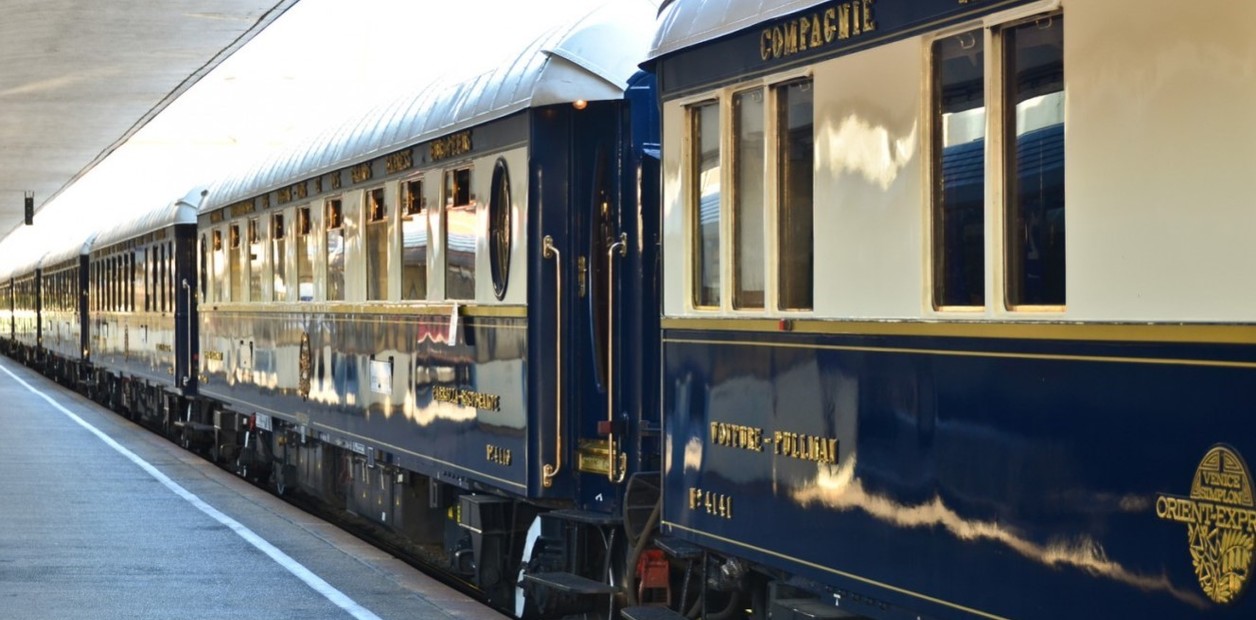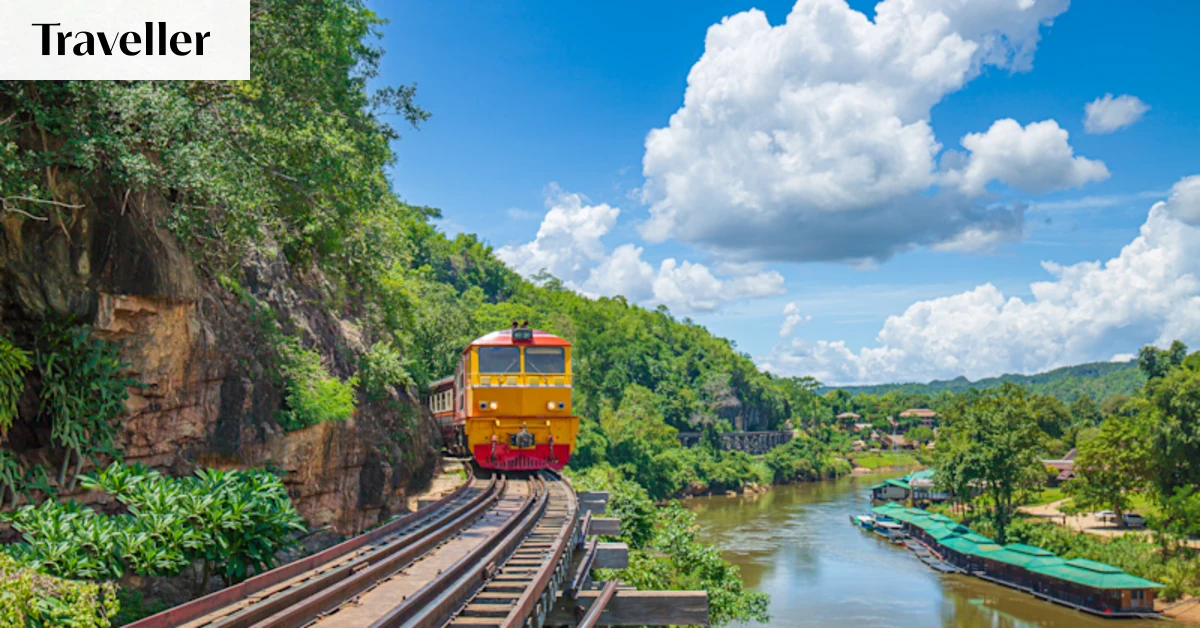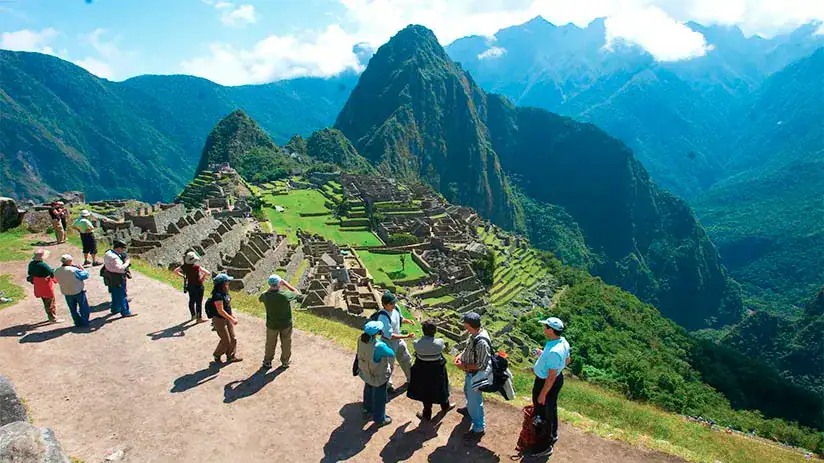
Belmond has operated luxury train trips for 43 years, a journey that began with an inaugural launch connecting London and Venice and newer trips that cruise past castles and whisky distilleries in the Scottish Highlands or nestle up to the famed Machu Picchu in Peru.
A subsidiary of luxury conglomerate LVMH, Belmond says there’s been increasing interest in luxury trains ever since the pandemic subsided. While a private jet is far faster than a train, many travelers are learning to appreciate a more relaxed trip with scenic views.
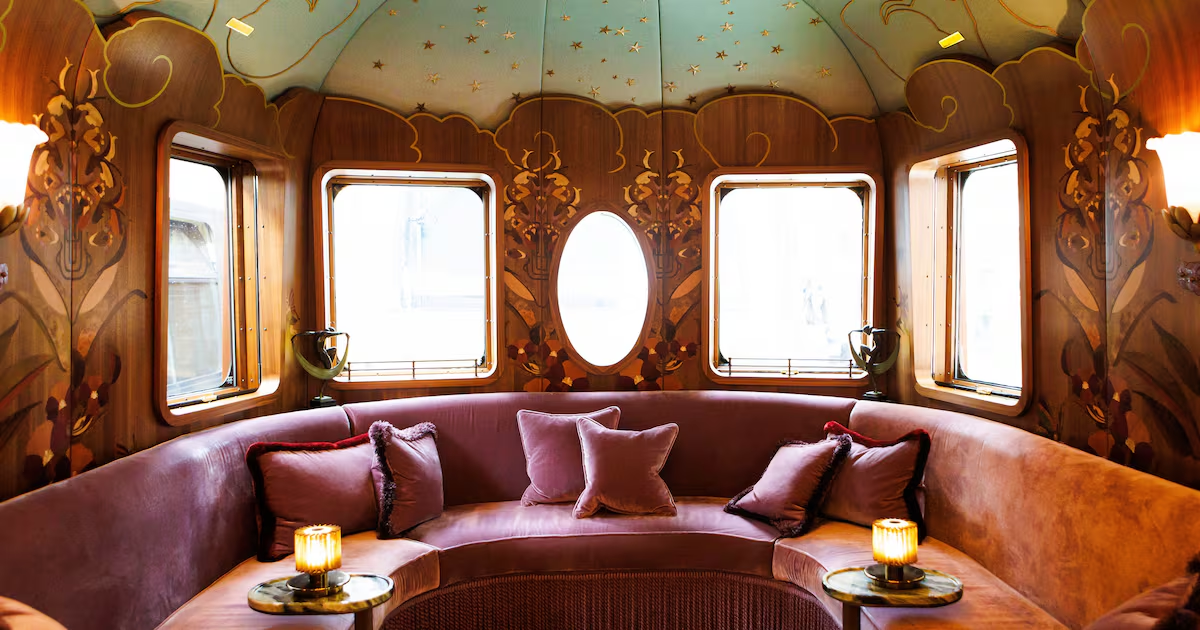
“People wanted the opportunity to be able to slow down,” says Gary Franklin, the senior vice president of Belmont, which also operates river cruises, safaris, and luxury hotels. “There’s probably no better way to do that than sitting in a cabin in a luxury train, looking out the window reading your books, having conversations, and great service on board.”
Luxury train demand metrics are hard to track, but total global travel spending hit $8.6 trillion in 2024, estimates consultancy McKinsey, which would represent nearly 9% of the year’s global gross domestic product (GDP). The luxury tourism and hospitality industries are expected to grow faster than other, more affordable segments, bolstered by younger generations that have shown greater willingness to spend big on travel, more wealth that’s accrued in Asia, and a rising group of individuals with a net worth between $1 million to $30 million.