Camps are a rite of passage for American parents and children. That’s why the tragedy at Camp Mystic was intimately imaginable
A
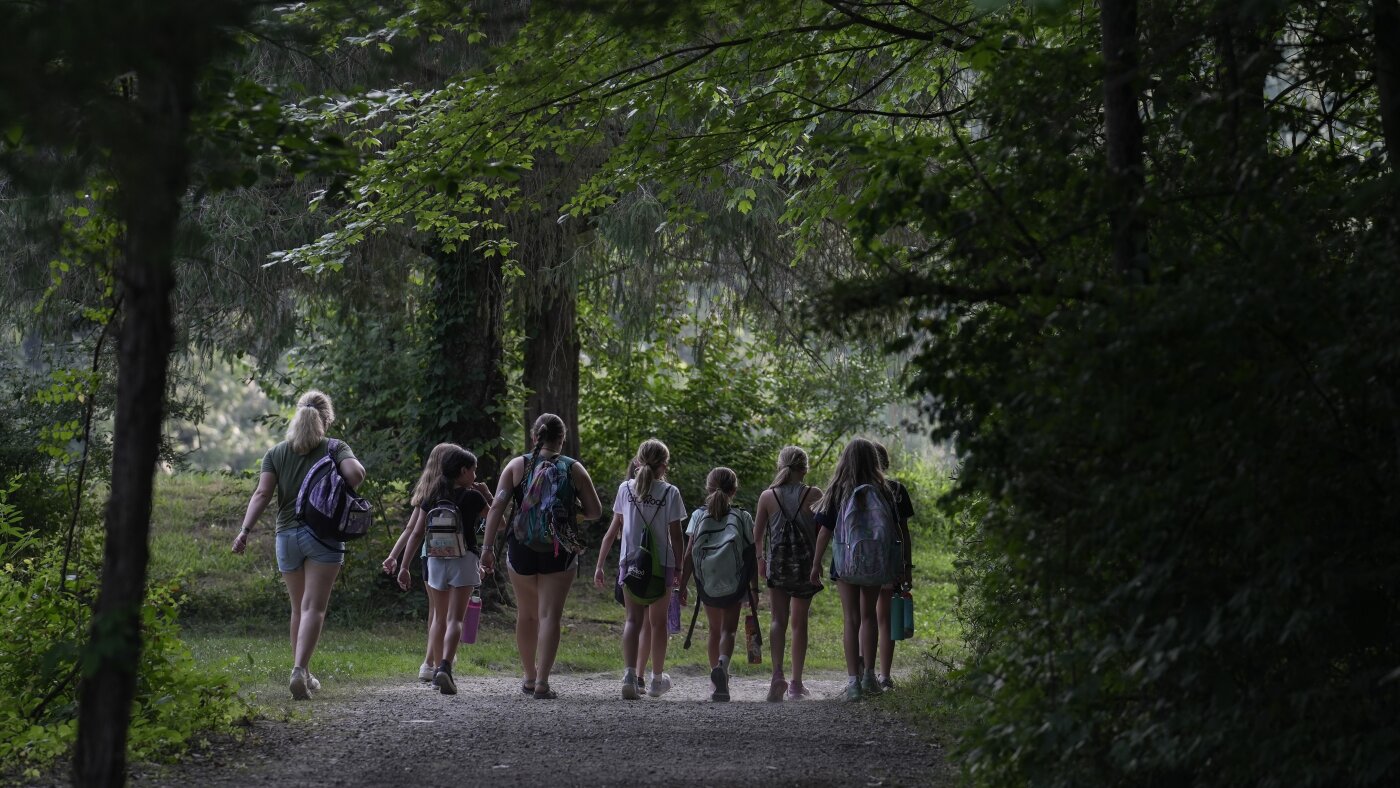
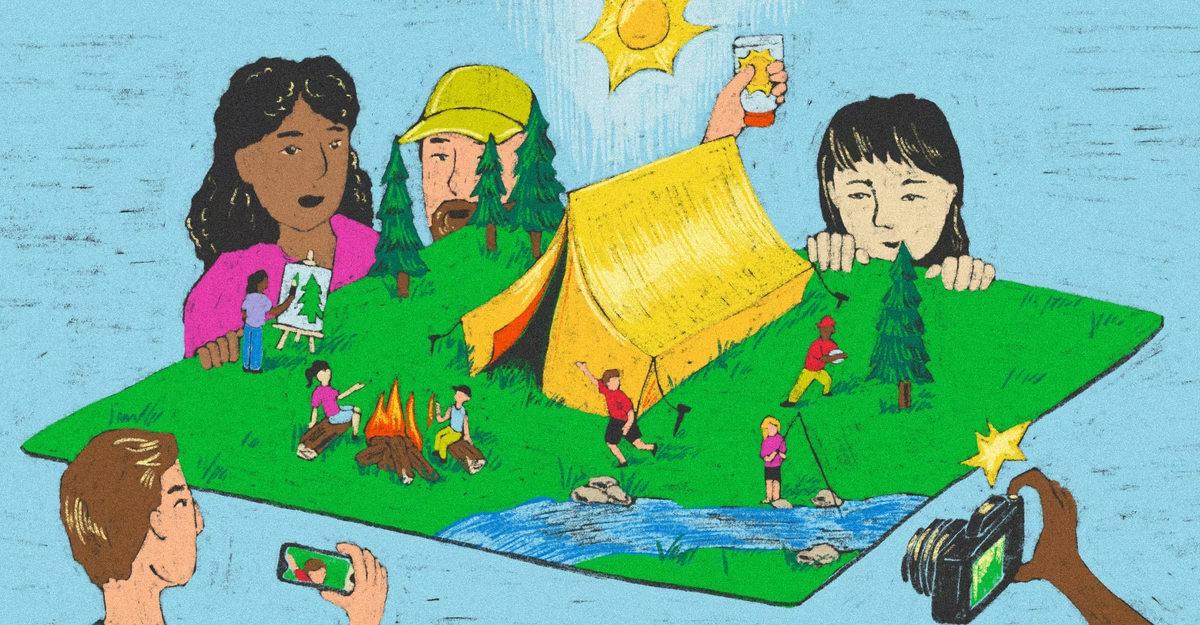
mong the many dreams that the US offers its citizens, there’s this: that the American child, around the age of eight, will go to sleep-away camp a few hours from home and begin one of the key formative experiences of their life. They will return every summer. They will learn independence. They will form bonds with people who will one day godparent their children. As an adult, a friend of mine – no kidding – returned to the hallowed ground in Pennsylvania where her summer camp once stood, bought a piece of land and built a house there. Whenever we visited, she’d point out the ruins of the old dining hall down by the lake and get a haunted look on her face.
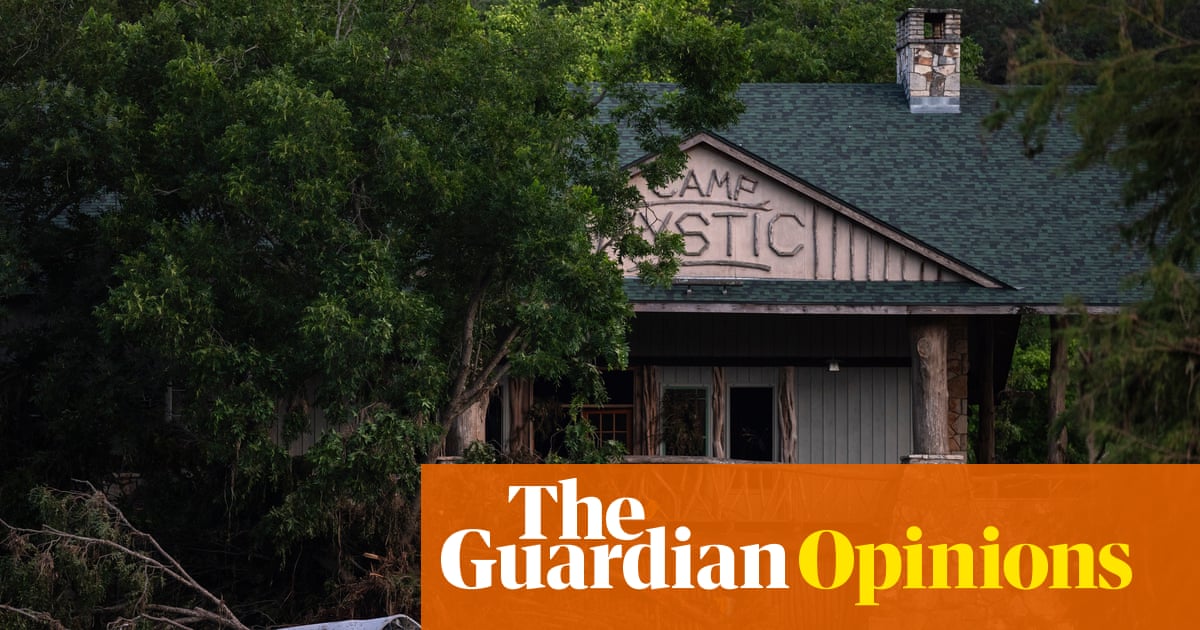
I mention this because, among the many devastated reactions to the flash floods in Texas last week, there is one that is particular, and particularly acute, to millions of Americans: a gut-level blow of unfathomable loss striking at an experience many consider to be sacred.
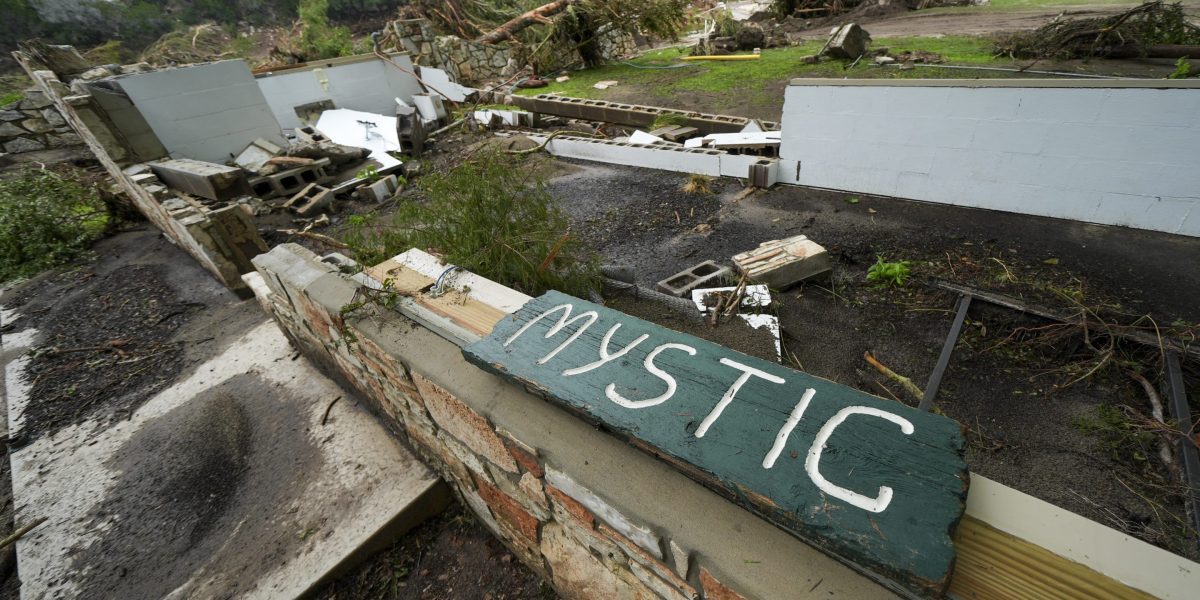
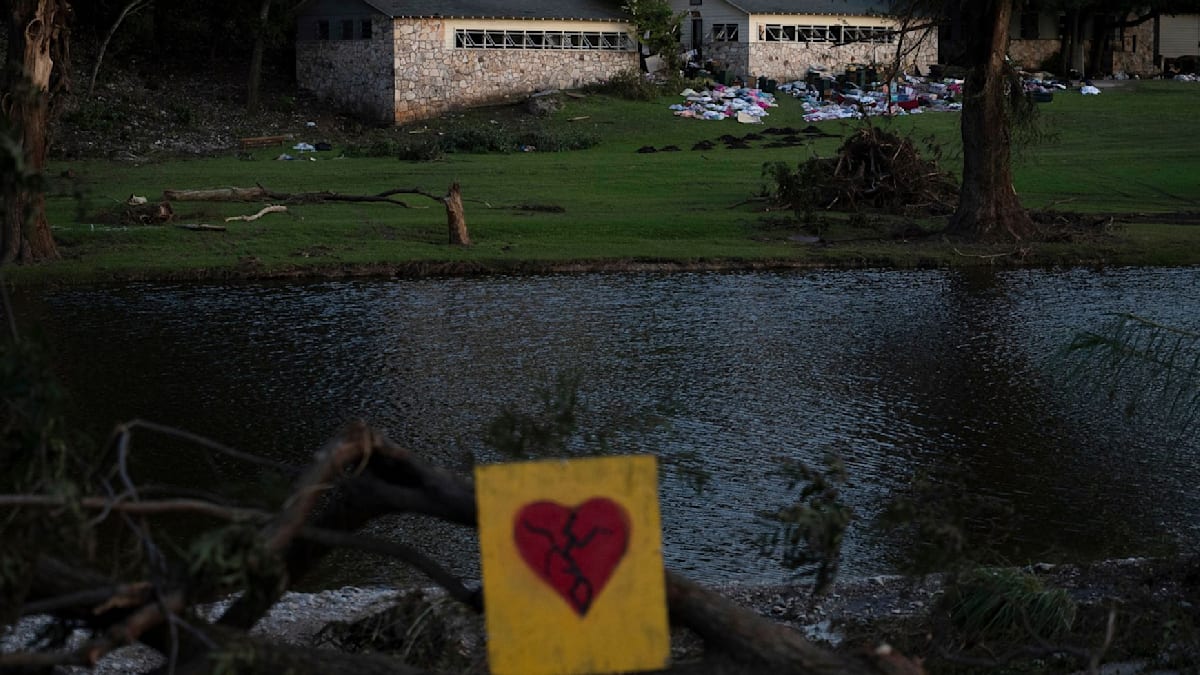
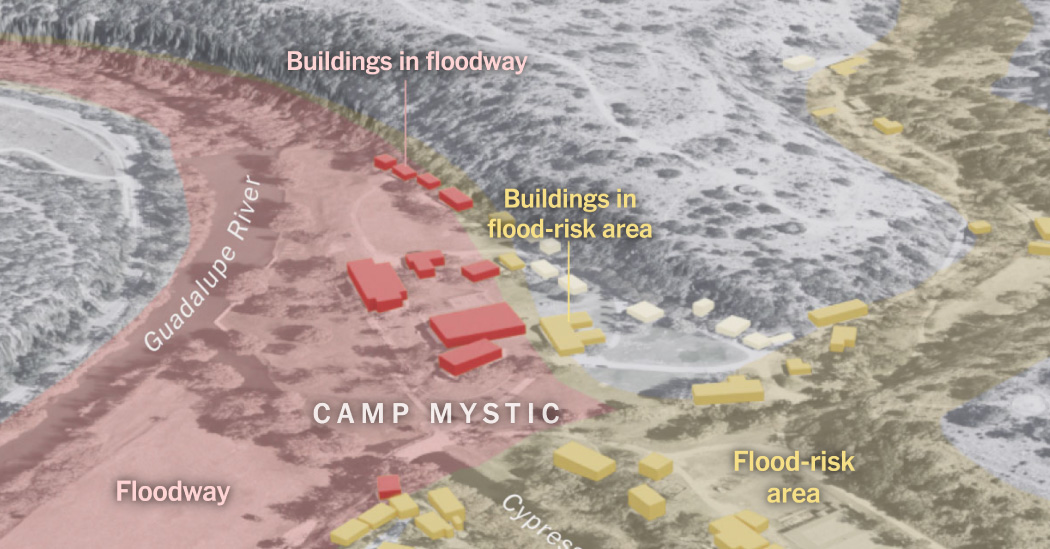
There’s no real equivalent to these kinds of summer camps in Britain. But for 26 million American kids each year, going to camp is indistinguishable from summer itself. And as with Camp Mystic on the banks of the Guadalupe River, where 27 campers and staff were killed by the floods, many have been going for long enough to be attended by generations of the same family. In a country relatively short on long-range tradition, summer camp is right up there.