It can often seem taboo to discuss these muscles, but they are essential to the wellbeing of both men and women. Experts discuss how to prevent and treat any problems
I
n the UK, a third of women will experience urinary incontinence, and there is a risk for men, too. How can you prevent and treat it? Pelvic floor experts share the best techniques to keep the “forgotten muscle” functioning well.
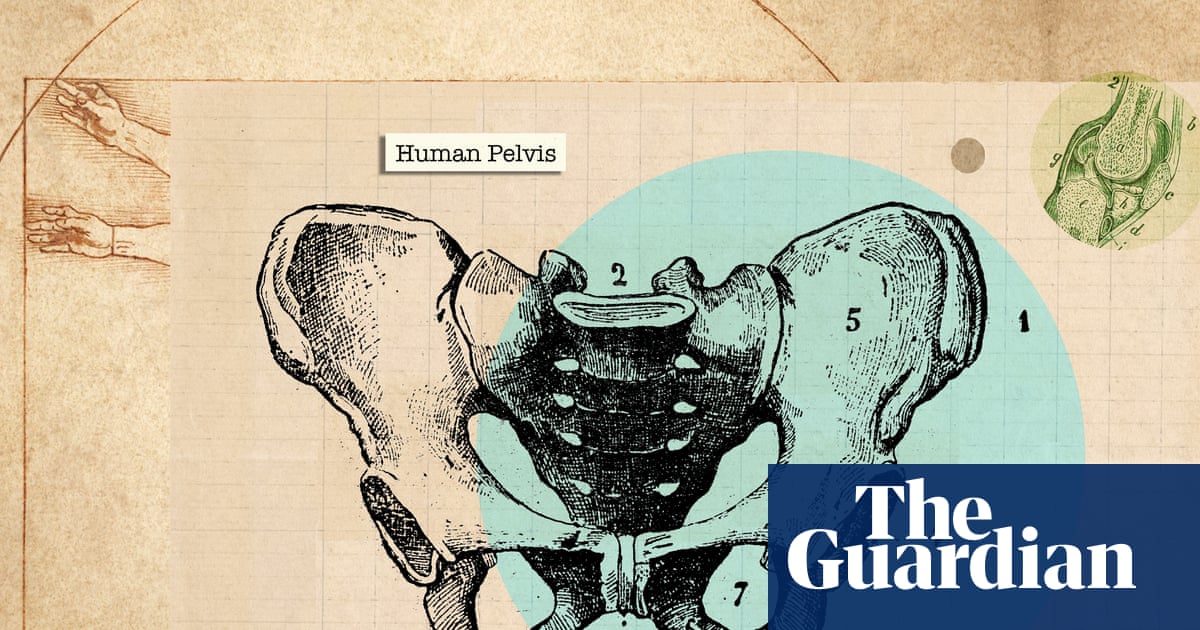
“It is the floor of your core,” says the pelvic physiotherapist Sara Reardon, AKA the Vagina Whisperer, who works in New Orleans and is the author of Floored: A Woman’s Guide to Pelvic Floor Health at Every Age and Stage. “Everybody has one, not just women. You have your pelvis, which is that ring of bones that sits at the base of your spine. At the very bottom of that is a basket of muscles, and that is what we call your pelvic floor. These muscles are contracting throughout the day to hold in the contents of your bladder and bowels, to support the pelvic organs, to give you spinal stability, and then they relax to empty the bladder and bowels. Every time we get out of a chair or cough they activate. They are working and functioning without us having to really think about it.”
This is why it is “crucial that everybody makes sure that their pelvic floor is strong”, says Vikram Khullar, a professor and head of the urogynaecology department at Imperial College healthcare NHS trust.