Curbs on LGBTQ+ rights and a halt to US funding may reverse decades of progress in fight to end Aids epidemic, warns UNAids
People at higher risk of HIV, such as gay men and people who inject drugs, are facing record levels of criminalisation worldwide, according to UNAids.
For the first time since the joint UN programme on HIV/Aids began reporting on punitive laws a decade ago, the number of countries criminalising same-sex sexual activity and gender expression has increased.
In the past year, Mali has made homosexuality a criminal offence, where the law previously only banned “public indecency”, and has also criminalised transgender people. Trinidad and Tobago’s court of appeal has overturned a landmark 2018 ruling that decriminalised consensual same-sex relations, reinstating the colonial-era ban. In Uganda, the 2023 Anti-Homosexuality Act has “intensified the proscription of same-sex relations”, and Ghana has moved in a similar direction with the reintroduction of legislation that would increase sentences for gay sex.
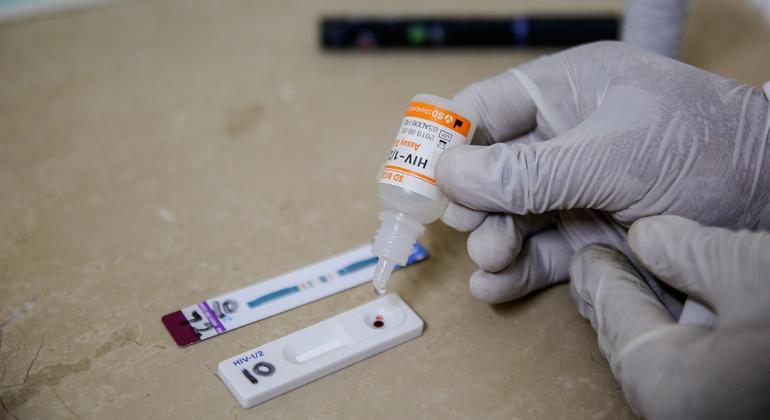
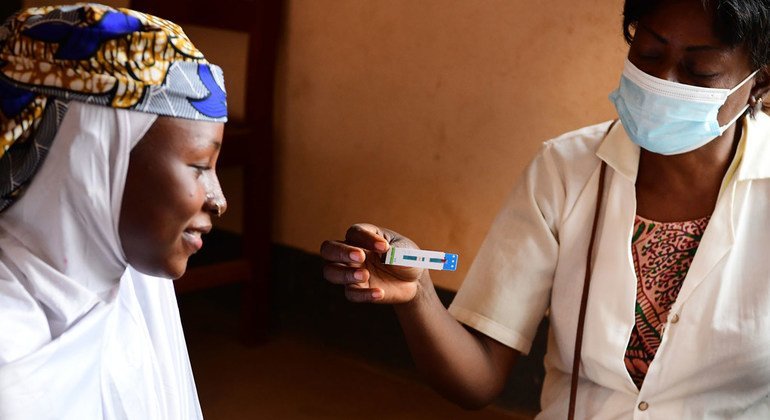
The crackdown on gay rights comes as the fight against HIV/Aids has been hit by abrupt US funding cuts, which have combined with “unprecedented” humanitarian challenges and climate crisis shocks to jeopardise hopes of ending the global epidemic this decade, UNAids said.