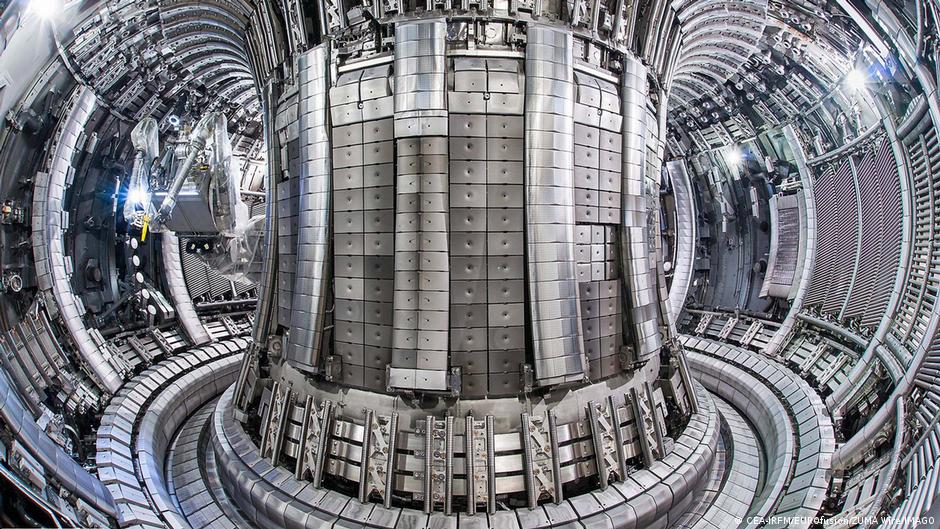
The lack of essential supply chains and process technologies necessary to commercialize fusion energy could doom the US and European countries in capturing the critical geopolitical prize.
Fusion energy holds the potential to shift a geopolitical landscape that is currently configured around fossil fuels. Harnessing fusion will deliver the energy resilience, security, and abundance needed for all modern industrial and service sectors. But these benefits will be controlled by the nation that leads in both developing the complex supply chains required and building fusion power plants at scales large enough to drive down economic costs.
The US and other Western countries will have to build strong supply chains across a range of technologies in addition to creating the fundamental technology behind practical fusion power plants. Investing in supply chains and scaling up complex production processes has increasingly been a strength of China’s and a weakness of the West, resulting in the migration of many critical industries from the West to China. With fusion, we run the risk that history will repeat itself. But it does not have to go that way.
The US and Europe were the dominant public funders of fusion energy research and are home to many of the world’s pioneering private fusion efforts. The West has consequently developed many of the basic technologies that will make fusion power work. But in the past five years China’s support of fusion energy has surged, threatening to allow the country to dominate the industry.