A diverse group of politicians came together to beat back a 10-year moratorium on state and local governments’ right to regulate AI. Here's why that matters.
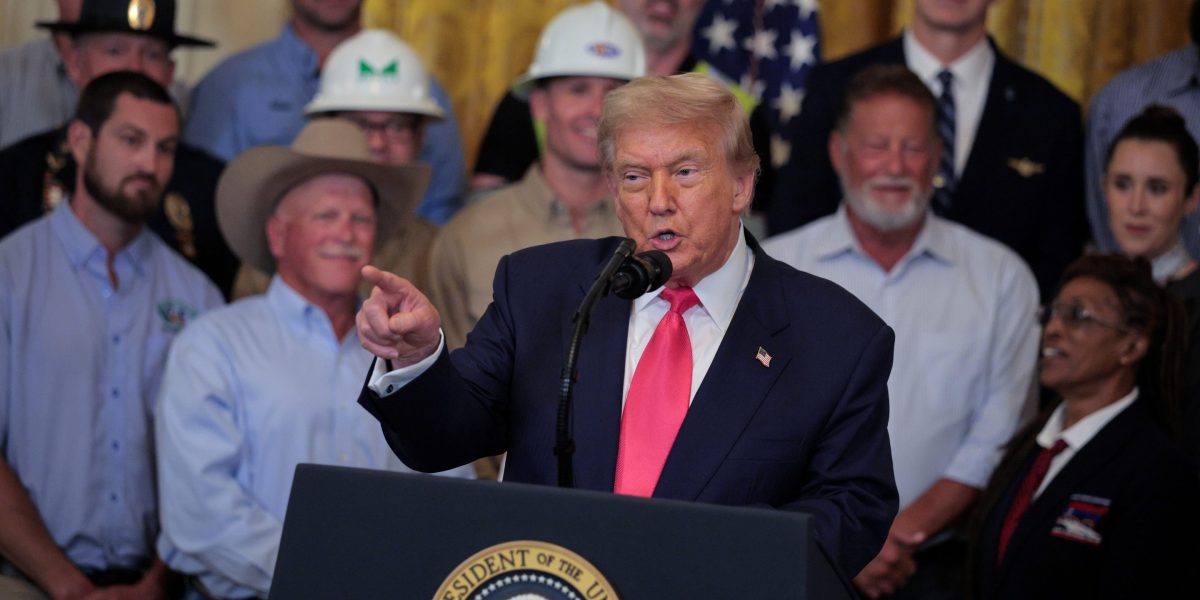
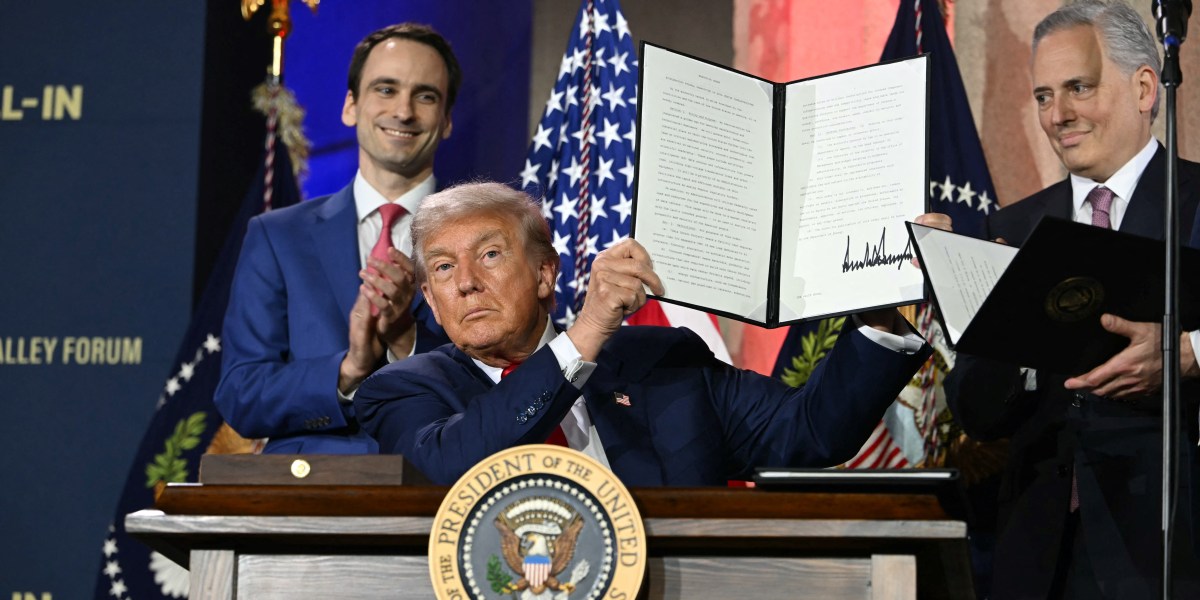
The “Big, Beautiful Bill” that President Donald Trump signed into law on July 4 was chock full of controversial policies—Medicaid work requirements, increased funding for ICE, and an end to tax credits for clean energy and vehicles, to name just a few. But one highly contested provision was missing. Just days earlier, during a late-night voting session, the Senate had killed the bill’s 10-year moratorium on state-level AI regulation.
“We really dodged a bullet,” says Scott Wiener, a California state senator and the author of SB 1047, a bill that would have made companies liable for harms caused by large AI models. It was vetoed by Governor Gavin Newsom last year, but Wiener is now working to pass SB 53, which establishes whistleblower protections for employees of AI companies. Had the federal AI regulation moratorium passed, he says, that bill likely would have been dead.
The moratorium could also have killed laws that have already been adopted around the country, including a Colorado law that targets algorithmic discrimination, laws in Utah and California aimed at making AI-generated content more identifiable, and other legislation focused on preserving data privacy and keeping children safe online. Proponents of the moratorium, such OpenAI and Senator Ted Cruz, have said that a “patchwork” of state-level regulations would place an undue burden on technology companies and stymie innovation. Federal regulation, they argue, is a better approach—but there is currently no federal AI regulation in place.