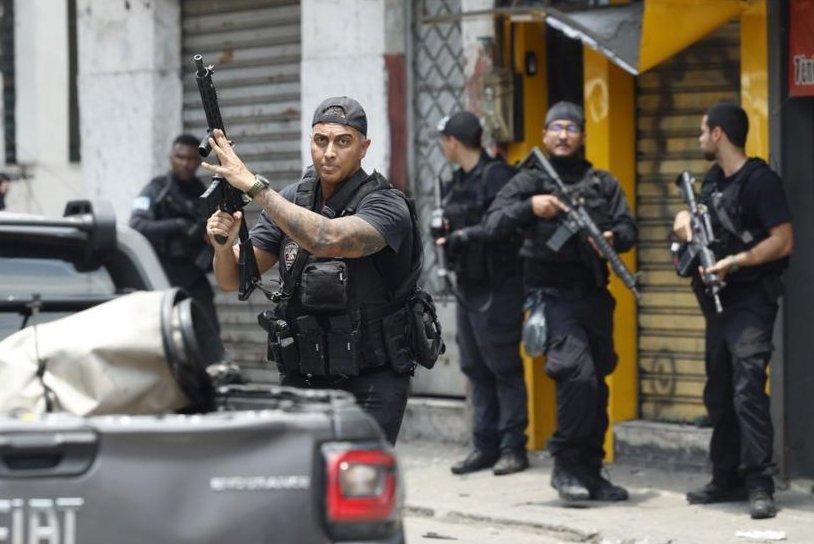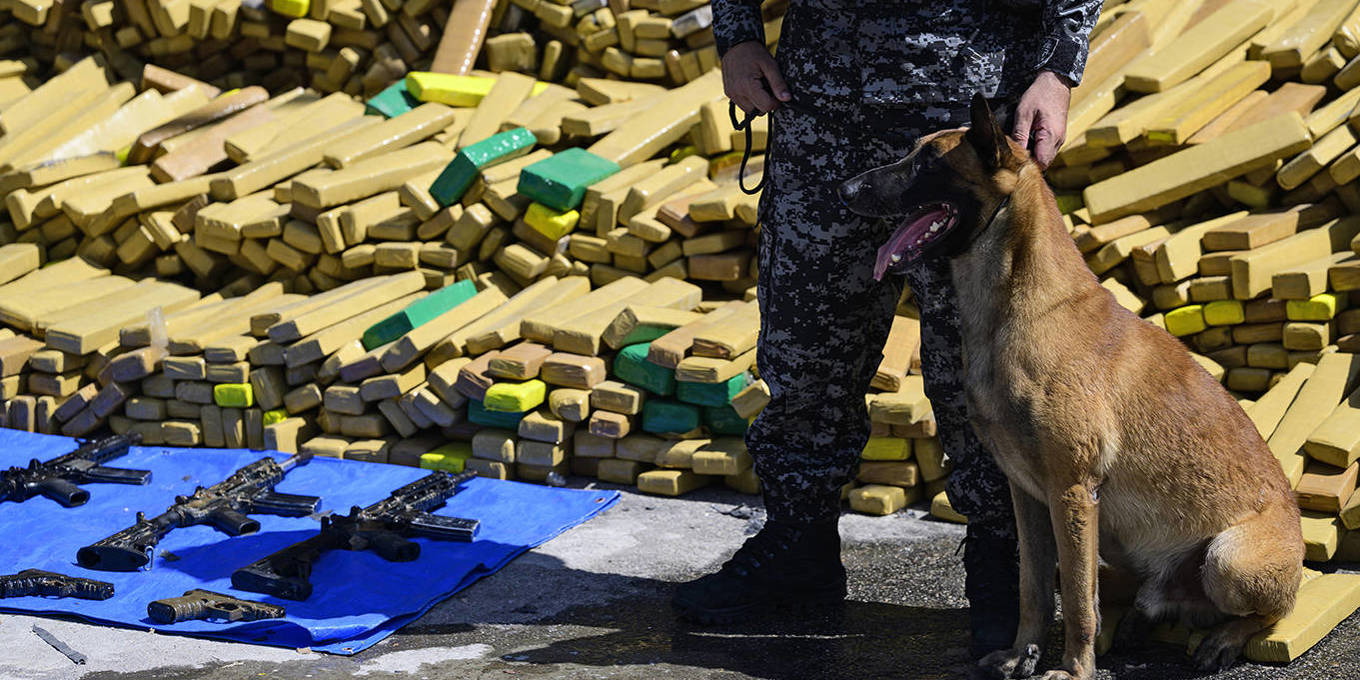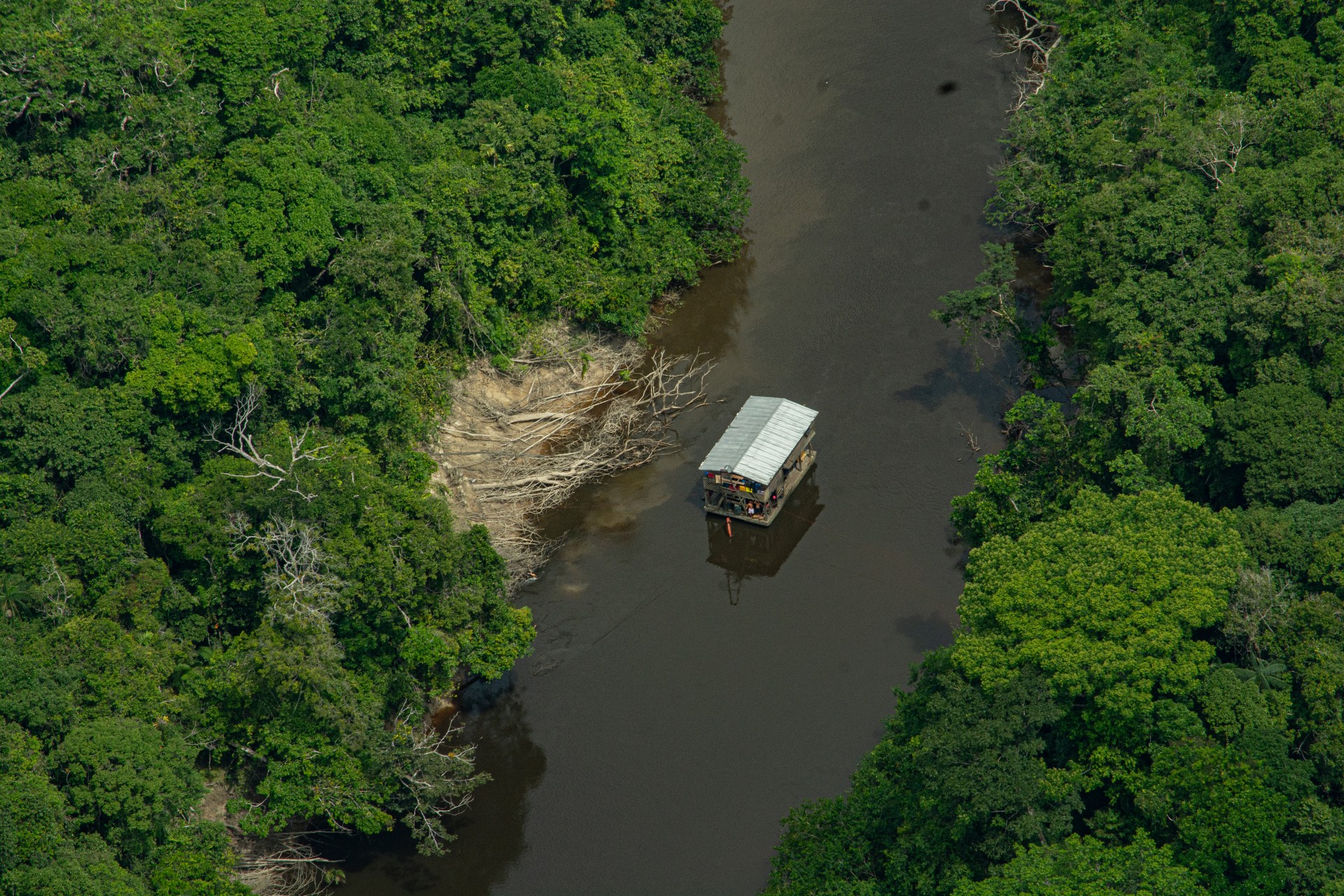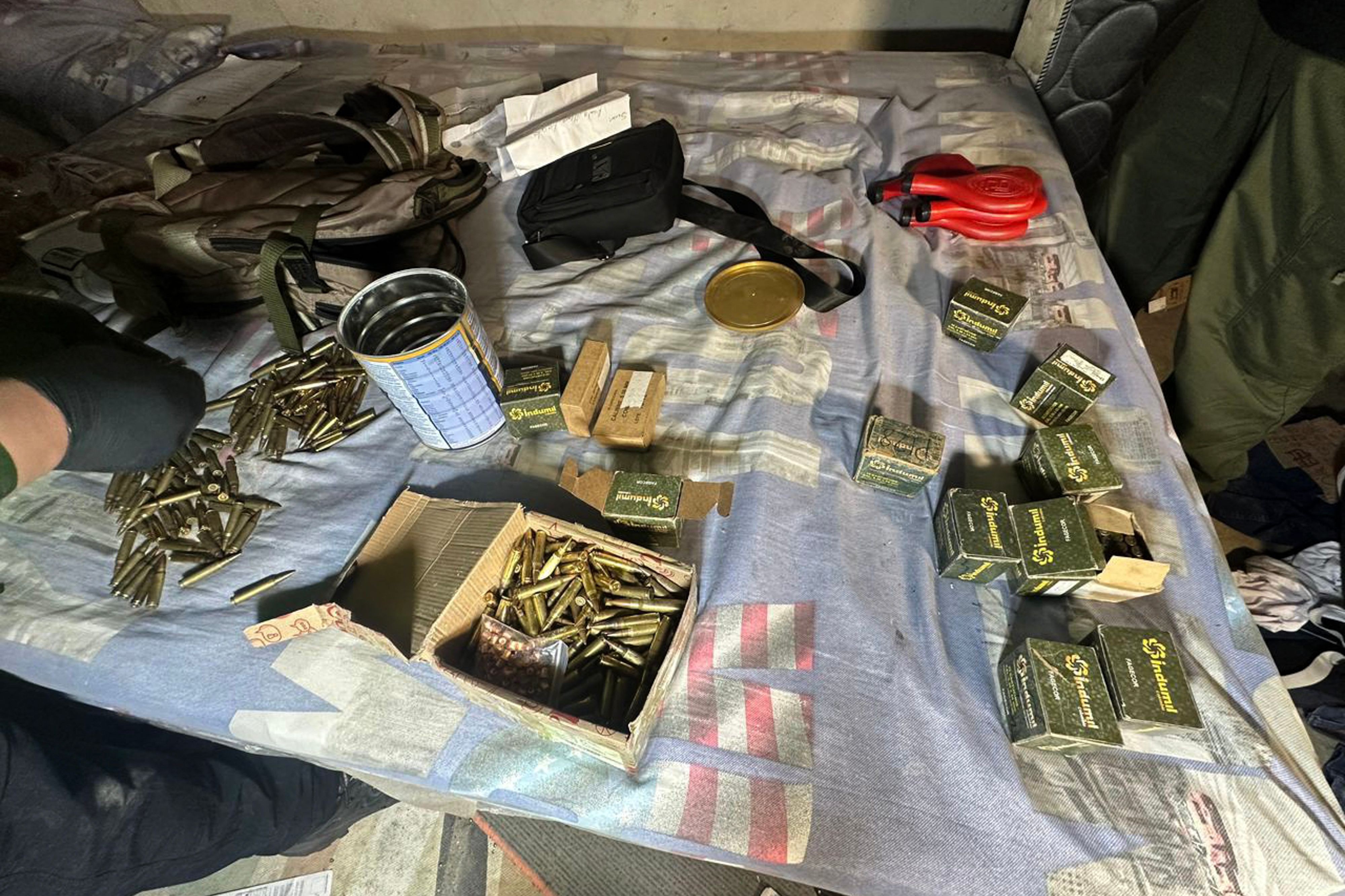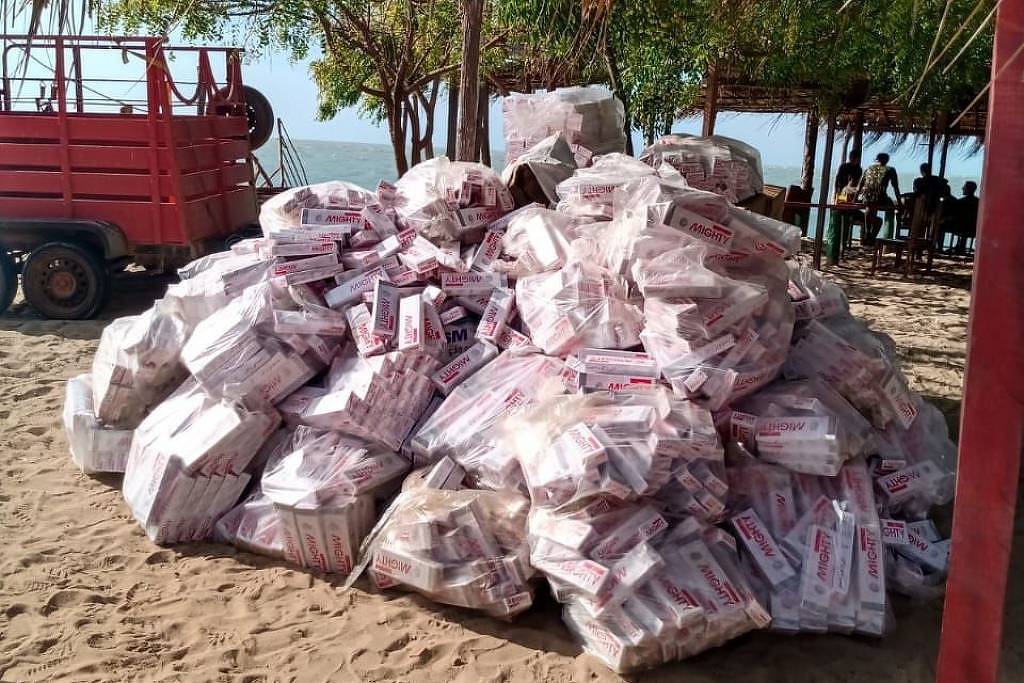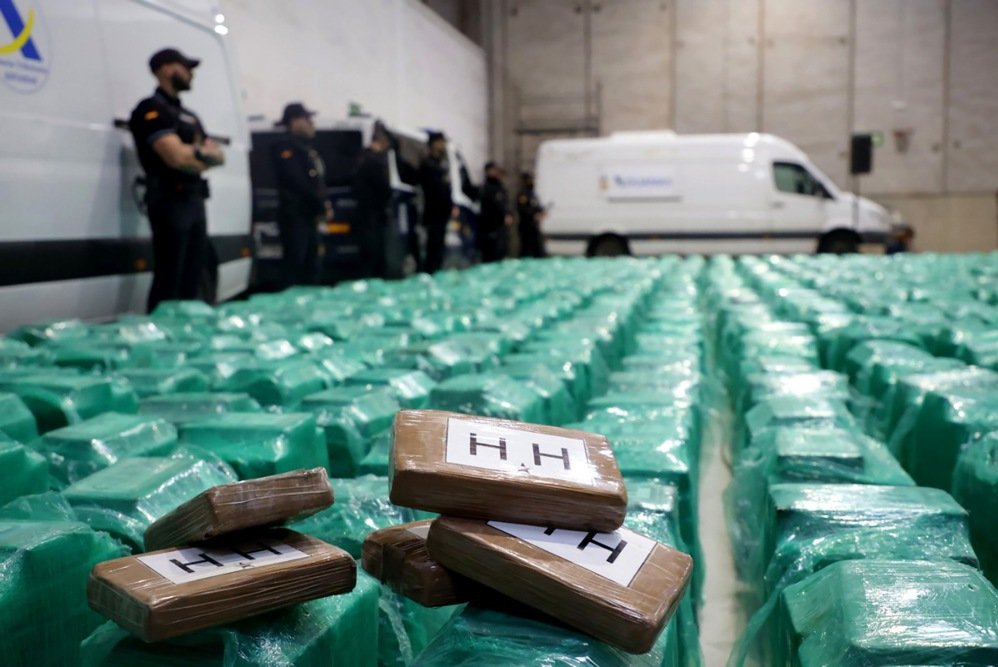
Organizd crime, including drug smuggling is stifling Latin America's economy, according to a recent report by the World Bank. Photo by Carrasco Ragel/EPA-EFE
June 27 (UPI) -- Latin America and the Caribbean rank among the regions with the highest rates of criminal activity worldwide, marked by a strong presence of illicit markets and limited institutional capacity to combat them.
Organized crime has become one of the biggest obstacles to economic development in the region, according to a World Bank report. The report points to four main drivers: territorial control, criminal governance, institutional capture and systemic violence.
In addition to producing and consuming large quantities of cocaine, Latin American criminal groups play a central role in trafficking the drug to the United States and the European Union. These networks are tightly linked to criminal organizations around the world and have a significant impact on the region's economy, according to the Global Initiative Against Transnational Organized Crime, or GI-TOC.
Although the region makes up just 9% of the world's population, it accounts for about one-third of global homicides, with rates up to eight times higher than the global average. Twelve Latin American countries are among the 50 most affected by organized crime, according to GI-TOC.