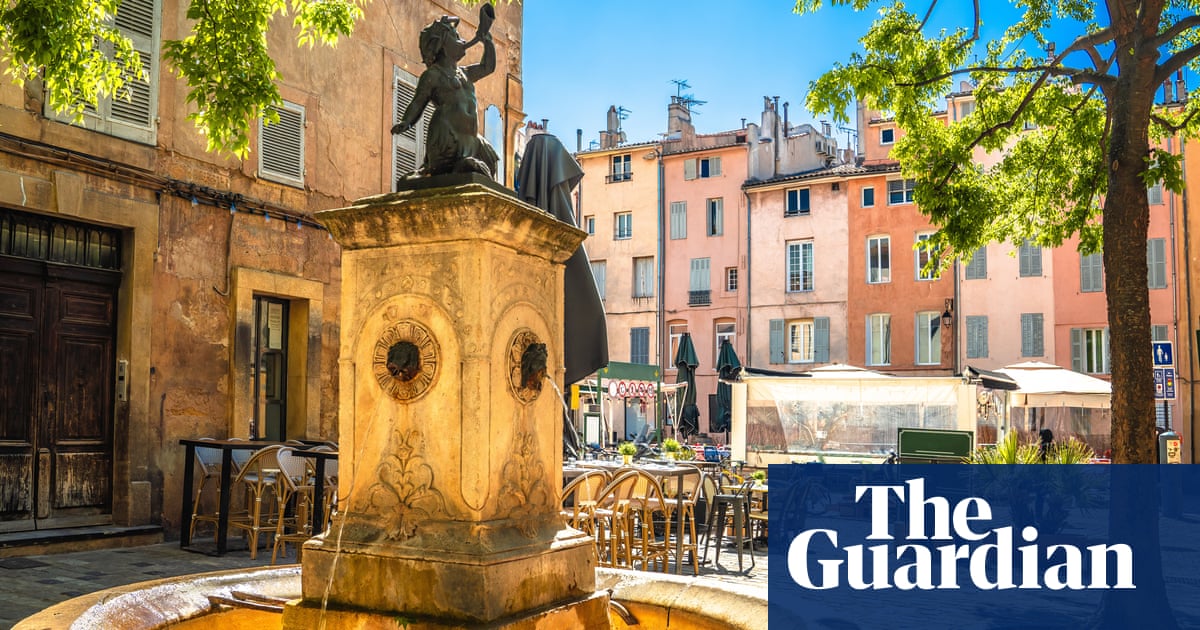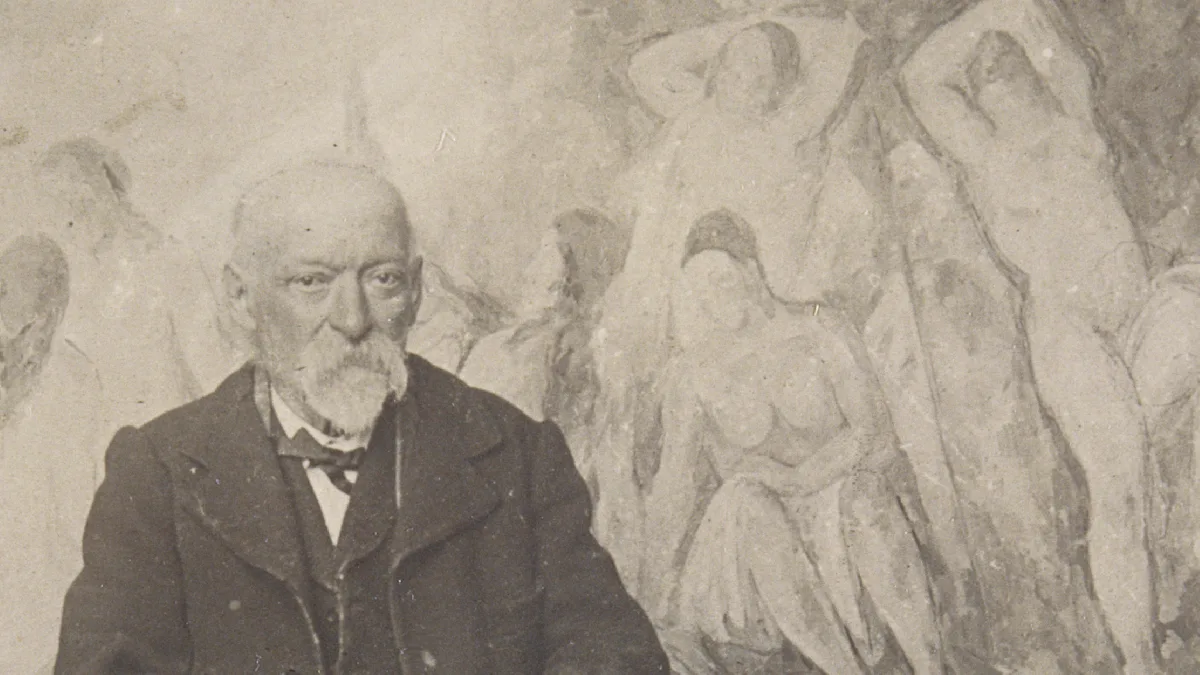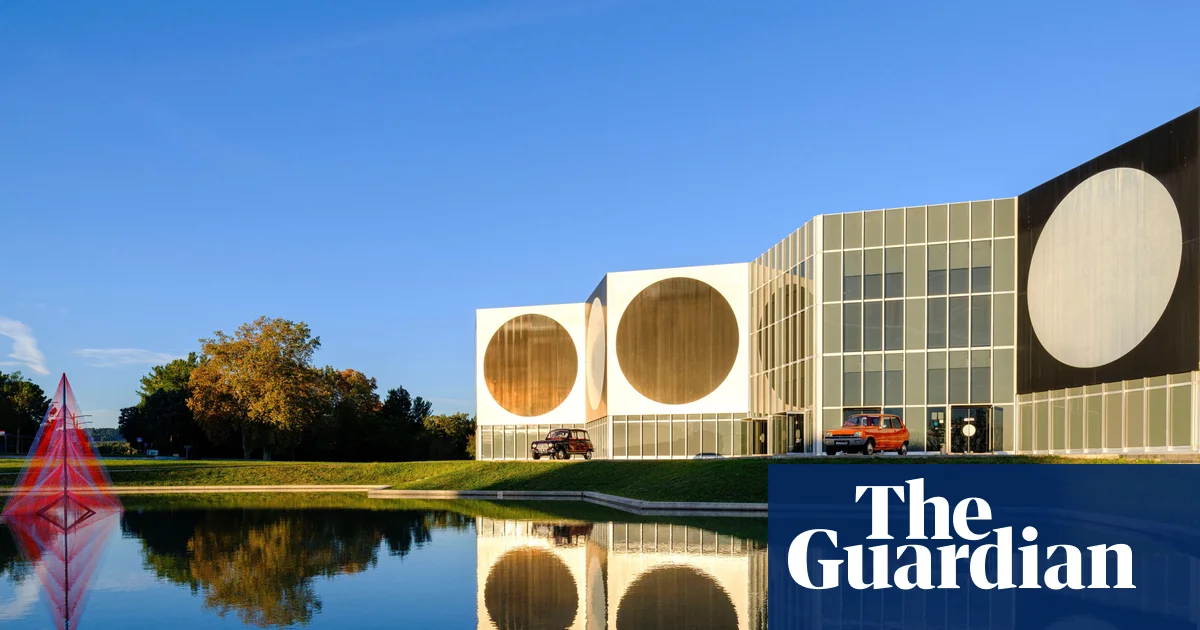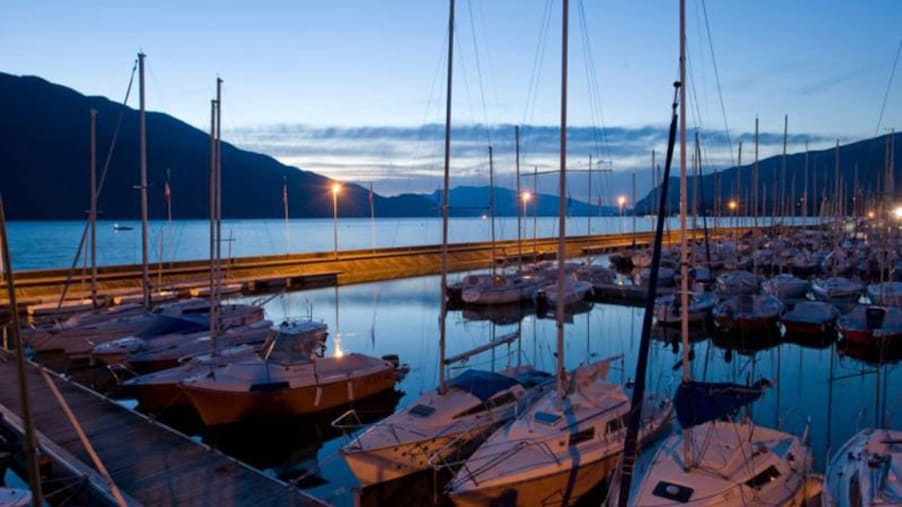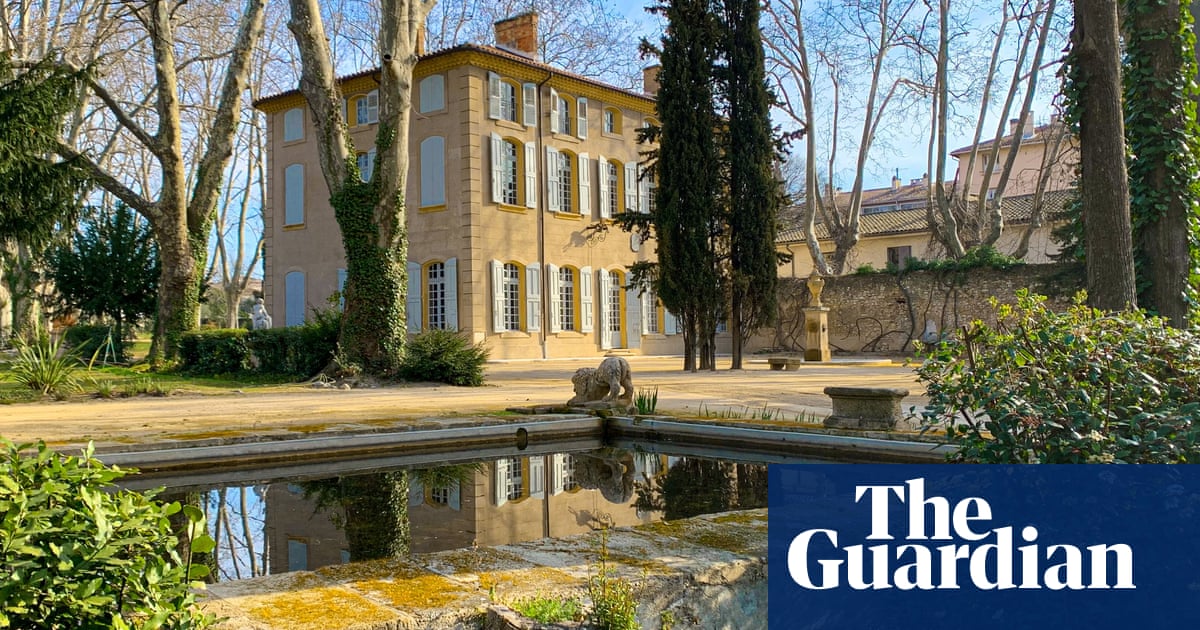
As a season of events celebrates the life of the city’s most famous son, Dale Berning Sawa revisits the region central to his art, where she, too, grew up
W
hen I was 12 years old, my parents moved my sister and me to Aix-en-Provence, the birthplace of and inspiration to Paul Cezanne. In truth, Cezanne had nothing to do with their choice of destination. But his mountain was the one thing my father knew of the region. He was three years into a four-year fine art degree (he painted portraits of the two of us daughters for his finals), steeped in painting and its history.
When we landed at Marignane airport in nearby Marseille on 29 August 1989, a wildfire was ravaging the Sainte-Victoire, that celebrated mountain subject of so many of Cezanne’s works. In the tumult of the days that followed – our family unhoused, the mountain unrecognisable – my father hustled between estate agents with the sound of sirens ringing in his ears. “Cezanne must be turning in his grave,” he remembers one saying.
In the 119 years since he died, Cezanne (no acute accent; it’s how he spelled it himself) has been crowned the father of modern art. It’s the lineage a host of disparate painters claimed in his wake. For Matisse he was “the father of us all” and for Picasso, “the mother who protects her children”. Futurists, cubists and fauvists felt the same. The symbolists said his was “pure painting”. And Gauguin, well: he bought six Cezannes when he was flush and only parted with them under duress when he wasn’t, having said, of the fabled Still Life with Fruit Dish from 1879-80, that he’d sooner sell everything he owned than lose it.