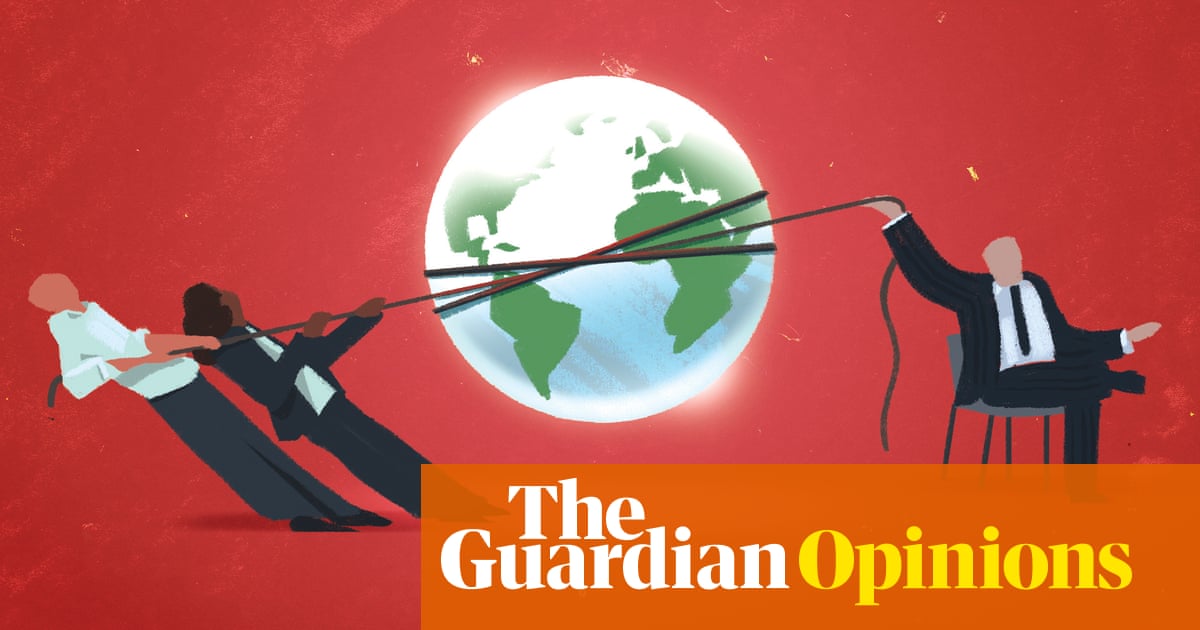
With hawks on one side and doves on the other, we ignore the obvious fact that engagement is the best defence against conflict
‘T
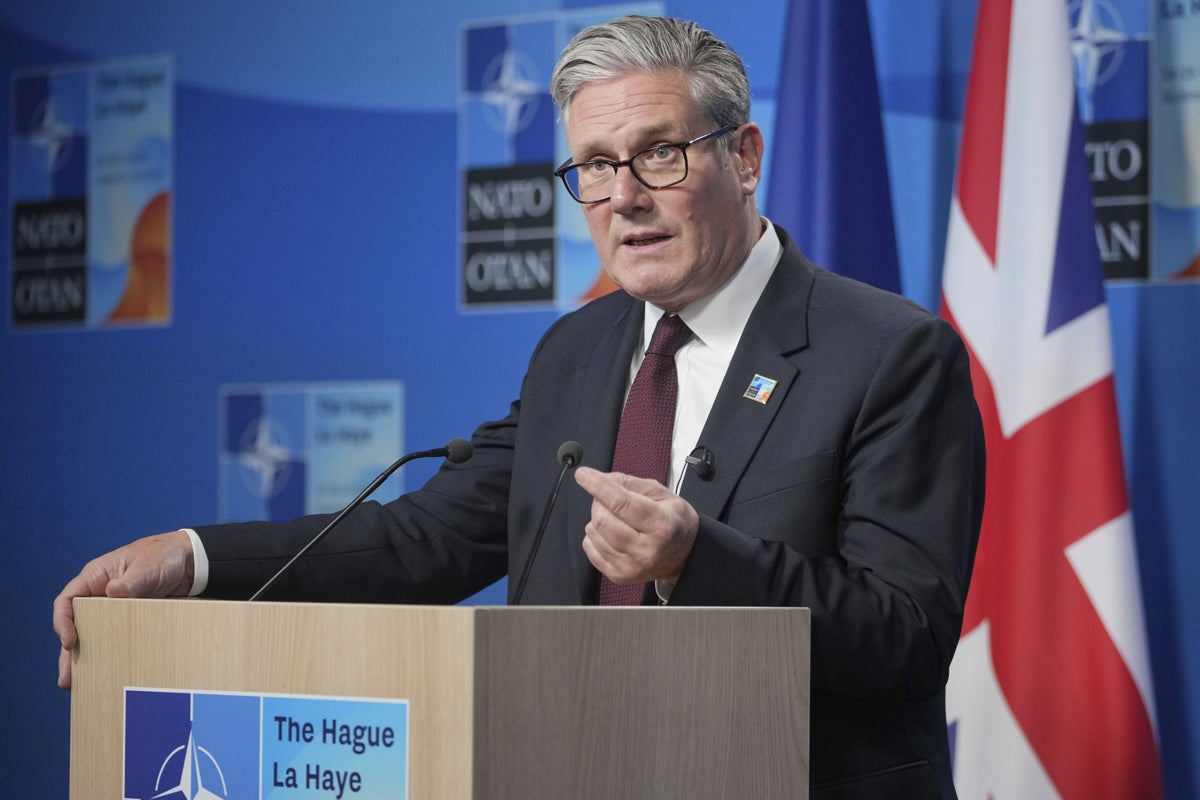
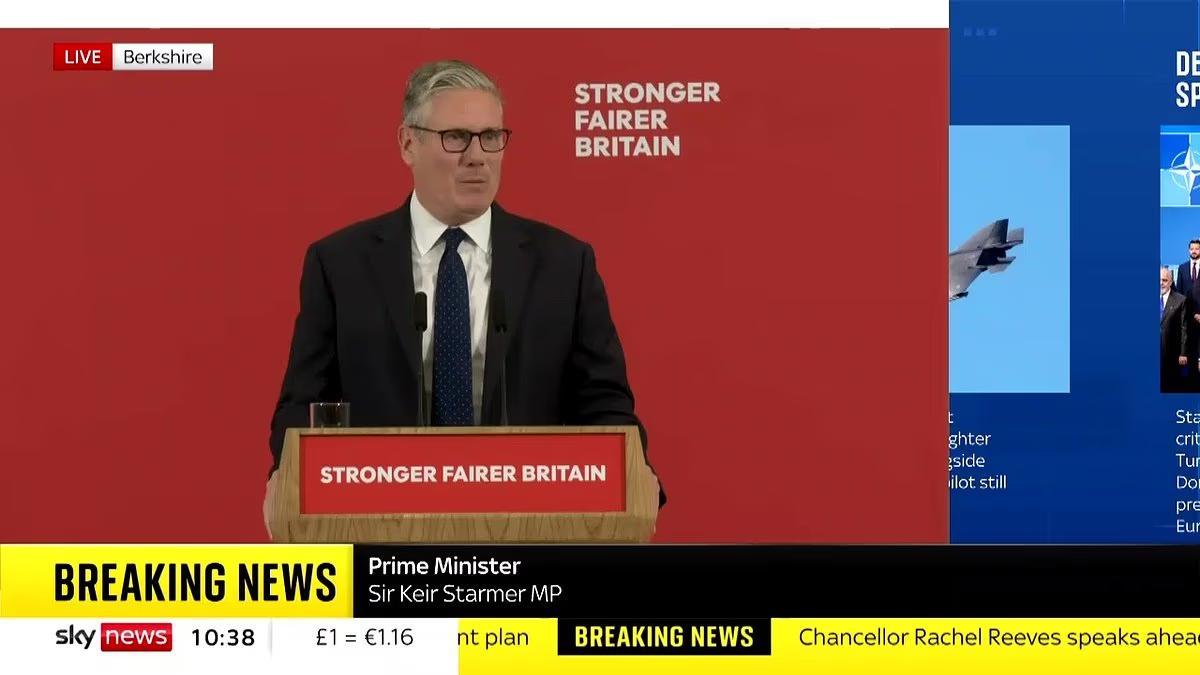
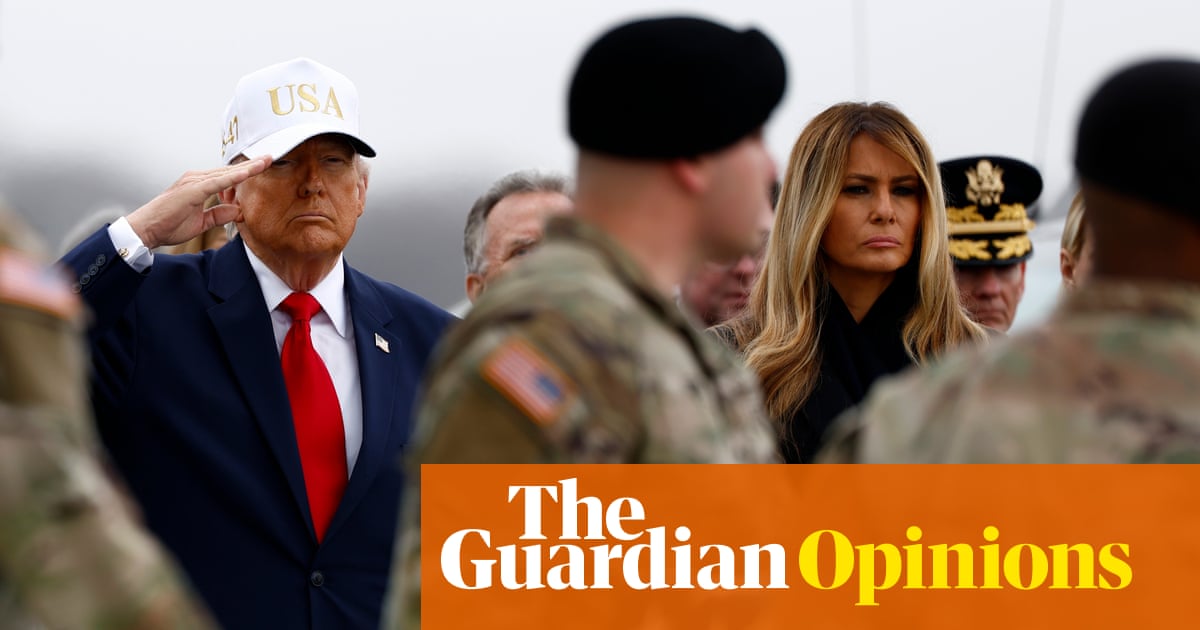
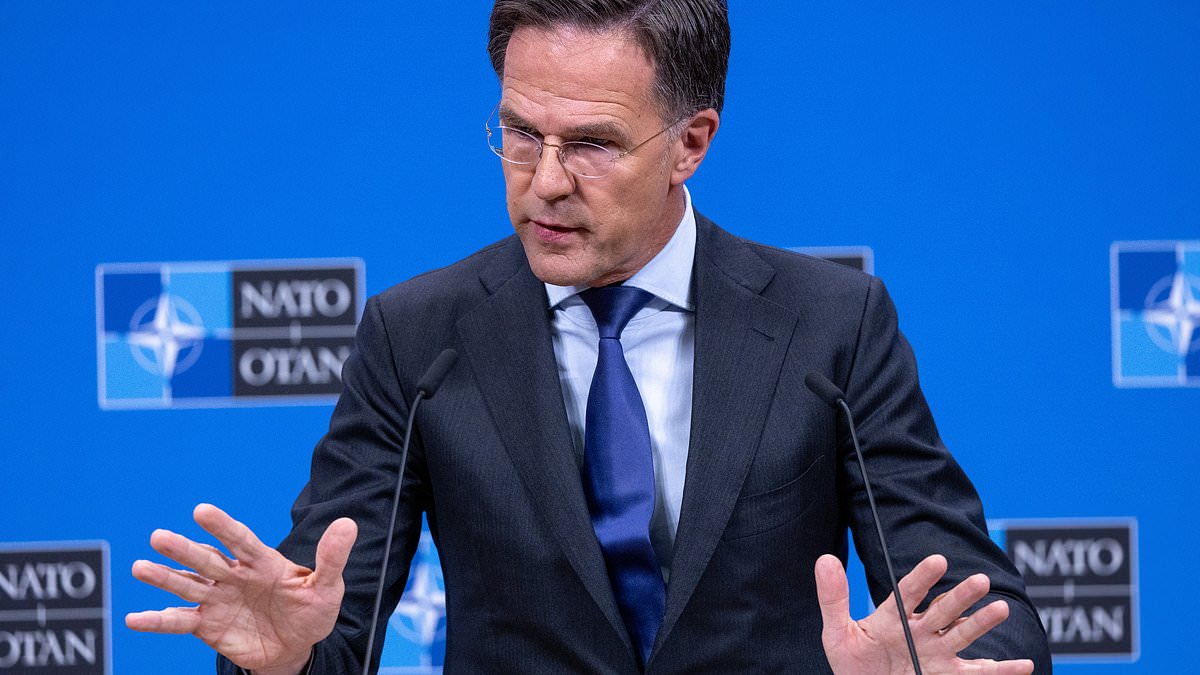
oadying”, “slavish”, “cringe-worthy” were the words hurled at Nato’s Mark Rutte for the praise he heaped on Donald Trump. But words cost nothing. Keir Starmer went further. He dug into his pocket and gave Trump $1.3bn for just 12 aeroplanes. He promised never to use them, or put any bombs in them, without orders from Washington. He might as well have enrolled in the United States Air Force.
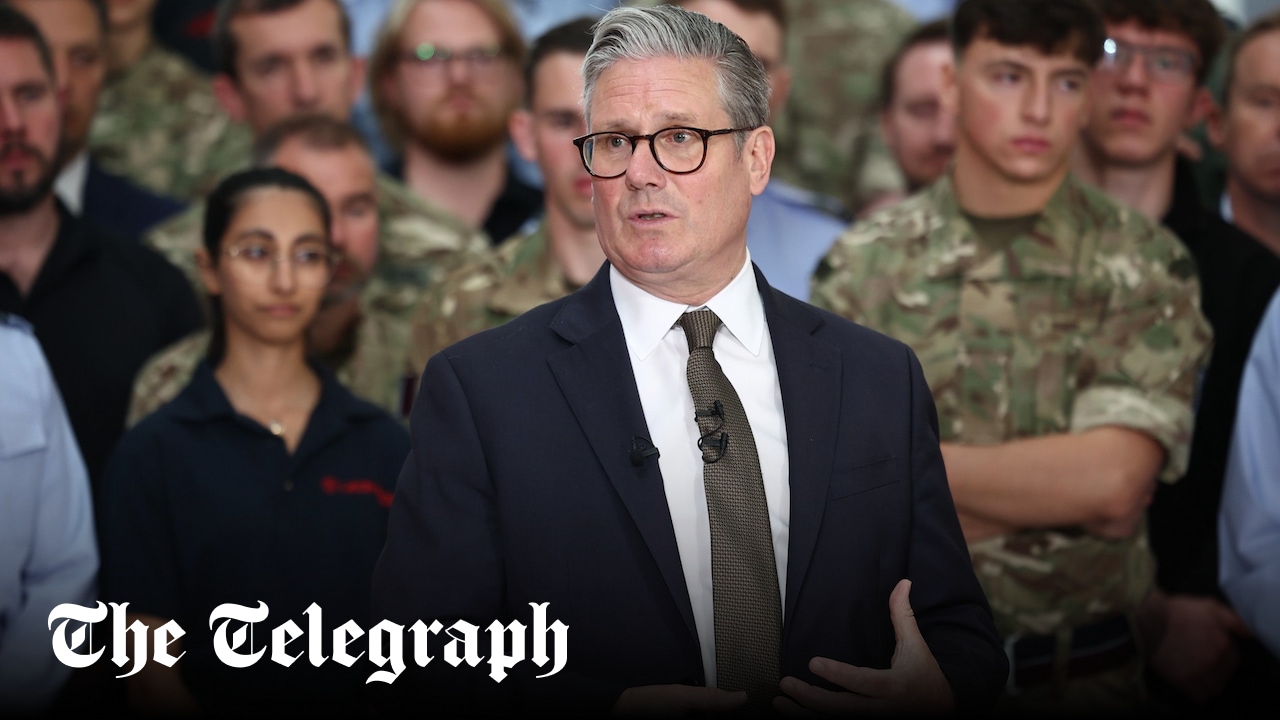
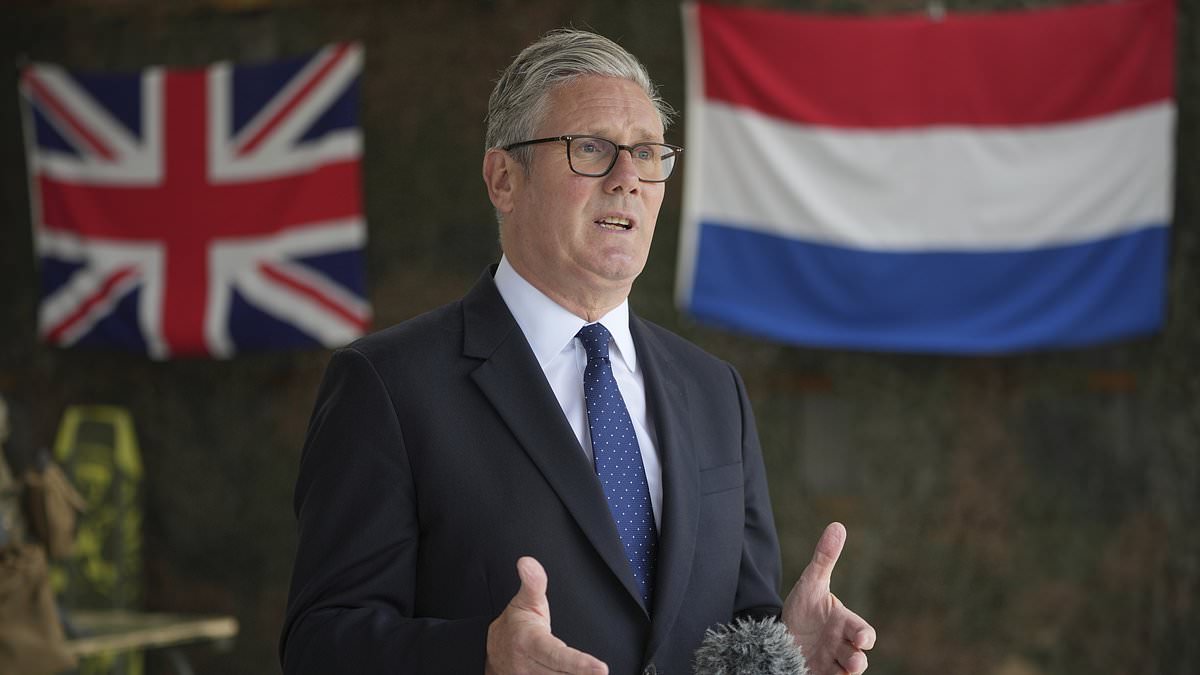
Starmer is engaged in a strategic shift in Britain’s global stance – from soft power to hard. He has clearly received the notorious initial briefing that so moved Tony Blair and led him eventually to war in Iraq. It induced David Cameron to spend billions on aircraft carriers that he had intended to cancel. Now the government warns in its strategic review that Britain needs to prepare for the possibility of being attacked on its own soil. Perhaps Starmer agrees with Nato’s Rutte that the British people “better learn to speak Russian”.
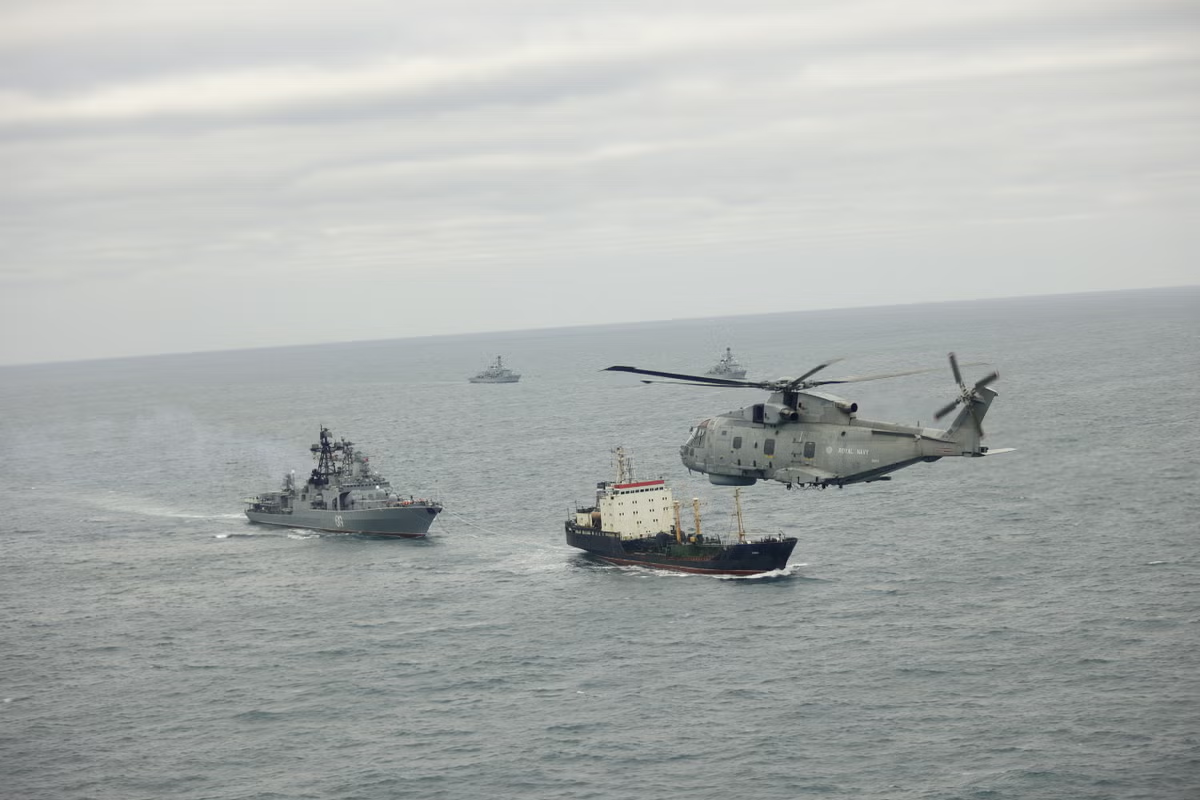
Russia has never, in its entire existence, tried to invade Britain. Yet to protect its interest a defence industry of vast public expense has sustained this belief. It has demanded we go to war if Russia so much as inches over its border, as if it abutted Norfolk. Clearly Britain needs to defend its cables and its electronic airwaves. It needs to guard its banks and its businesses from mischief. But no one is threatening it with invasion.