A version of this article first appeared in CNBC’s Inside Wealth newsletter with Robert Frank, a weekly guide to the high-net-worth investor and consumer. Sign up to receive future editions, straight to your inbox.
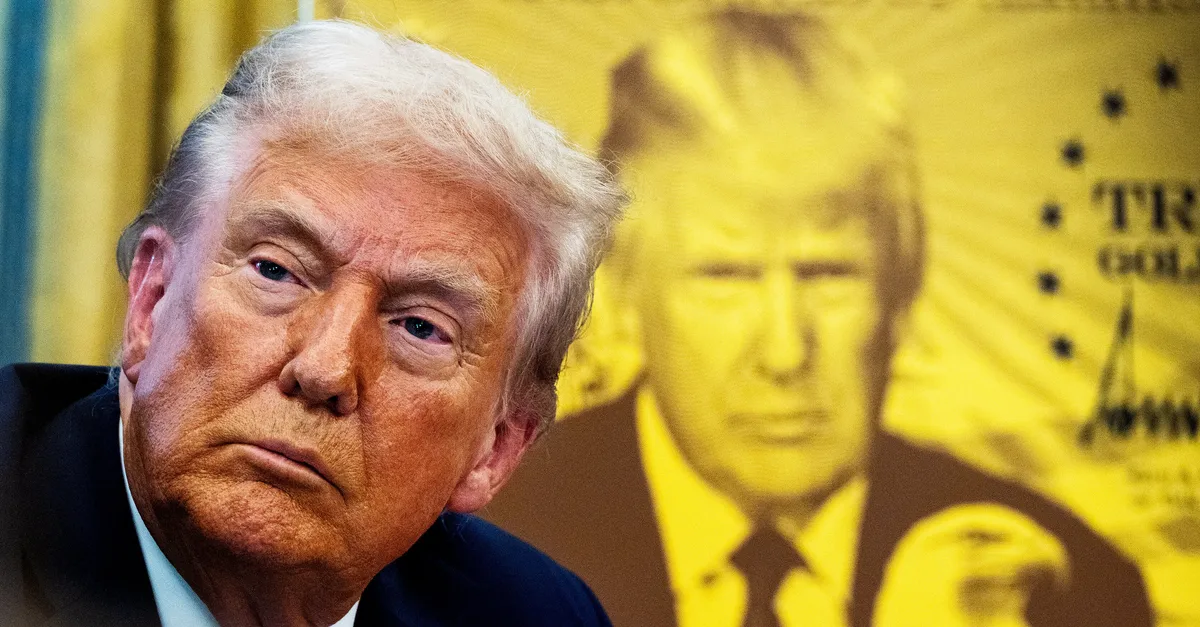
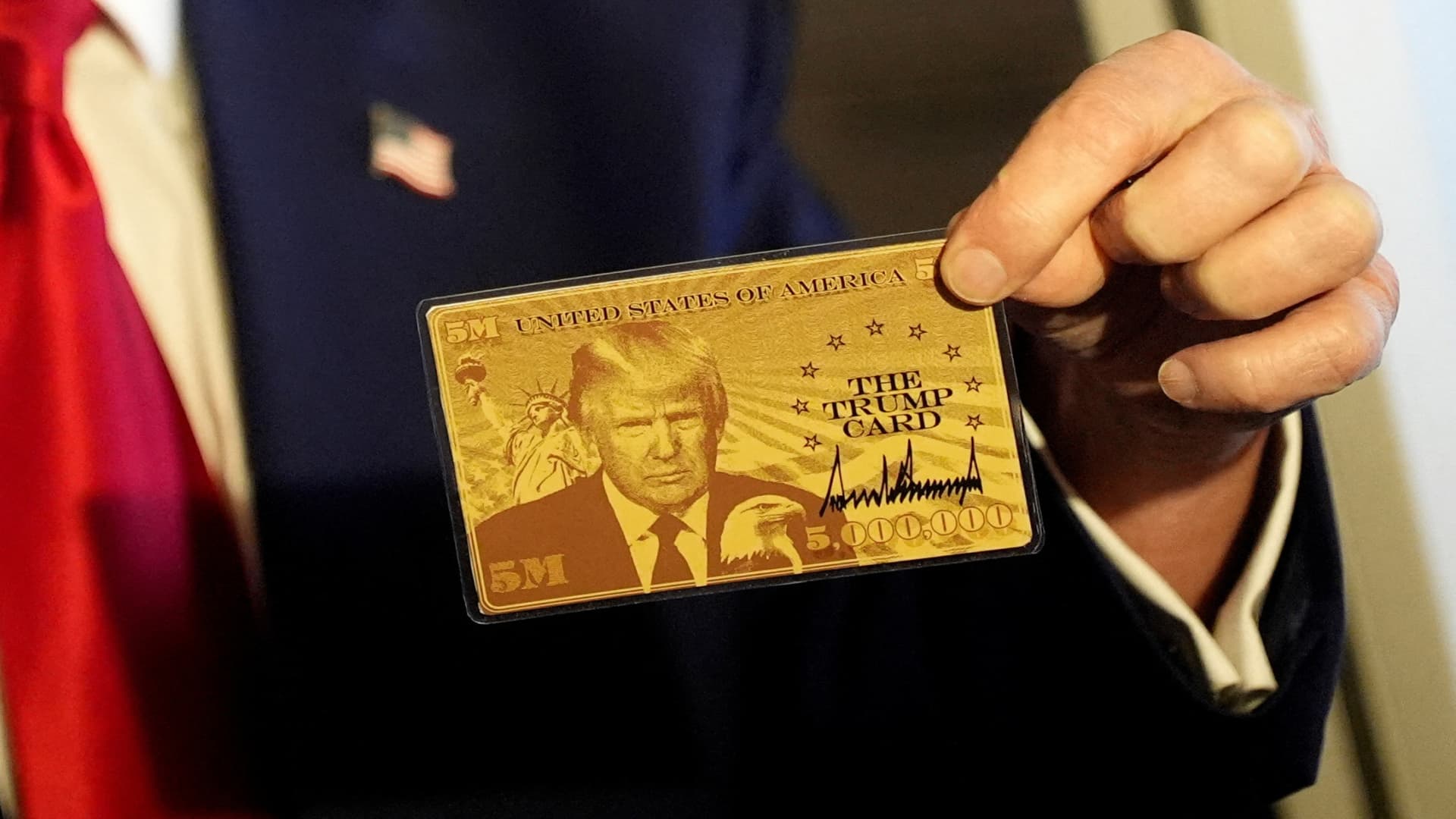
President Donald Trump’s $5 million Trump Card has attracted strong interest from the overseas wealthy, but it faces legal challenges and questions about the potential market size, according to immigration attorneys.
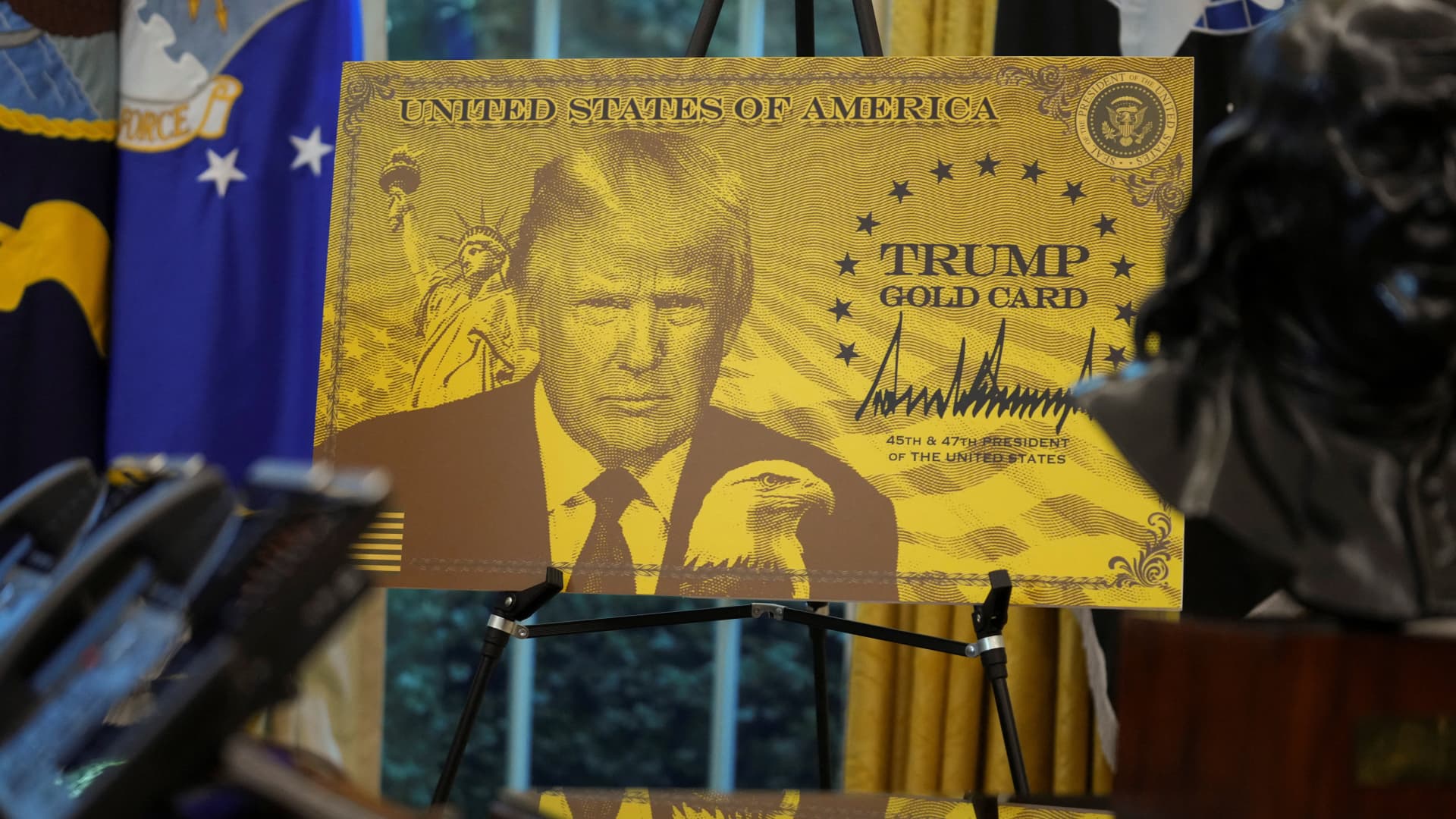
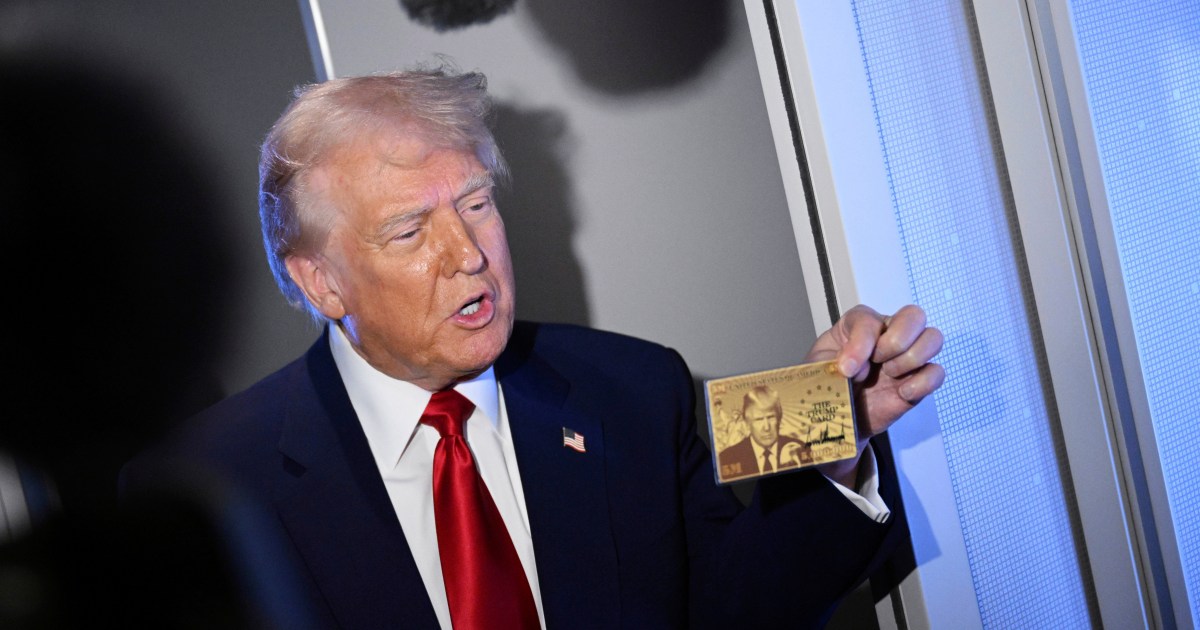
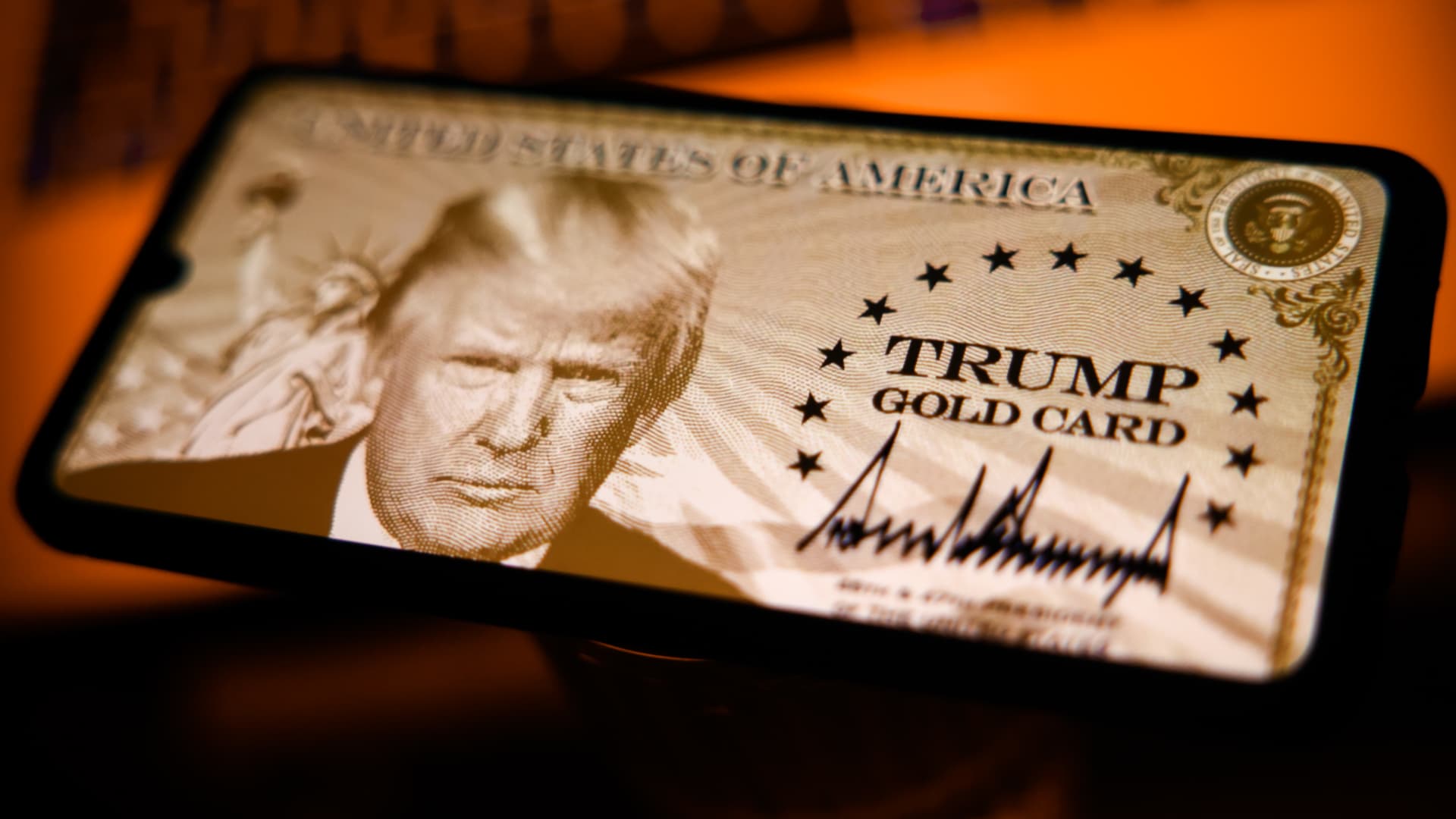
Trump launched the website in June for his new immigration plan, first called “the Gold Card” and then renamed “the Trump Card.” A brief questionnaire asked interested parties for their name, email, region and whether the Trump Card would be for “self,” “family,” “spouse” or “other,” as well as whether the application came from a business or individual.
Commerce Secretary Howard Lutnick told the Financial Times that 70,000 people had already signed up and that the card would be made from real gold. In March he said the potential market for the cards was 37 million. He said selling 200,000 cards would net $1 trillion for the Treasury and help pay down the federal debt.
The Trump Card has energized the burgeoning market for investment or “golden” visas, which allow the wealthy to buy residency or citizenship in another country in exchange for a six-figure or seven-figure investment. A record 142,000 millionaires with move to another country this year, according to Henley & Partners, driven by rising political turmoil and unrest. The U.K. is expected to lose a net 16,500 millionaires due to a change in its tax program, according to Henley. The UAE, the biggest gainer, is set to add a net 9,800 millionaires while the U.S. is expected to gain a net 7,500.