The author is Professor of Sustainable Finance at Vlerick Business School in Brussels
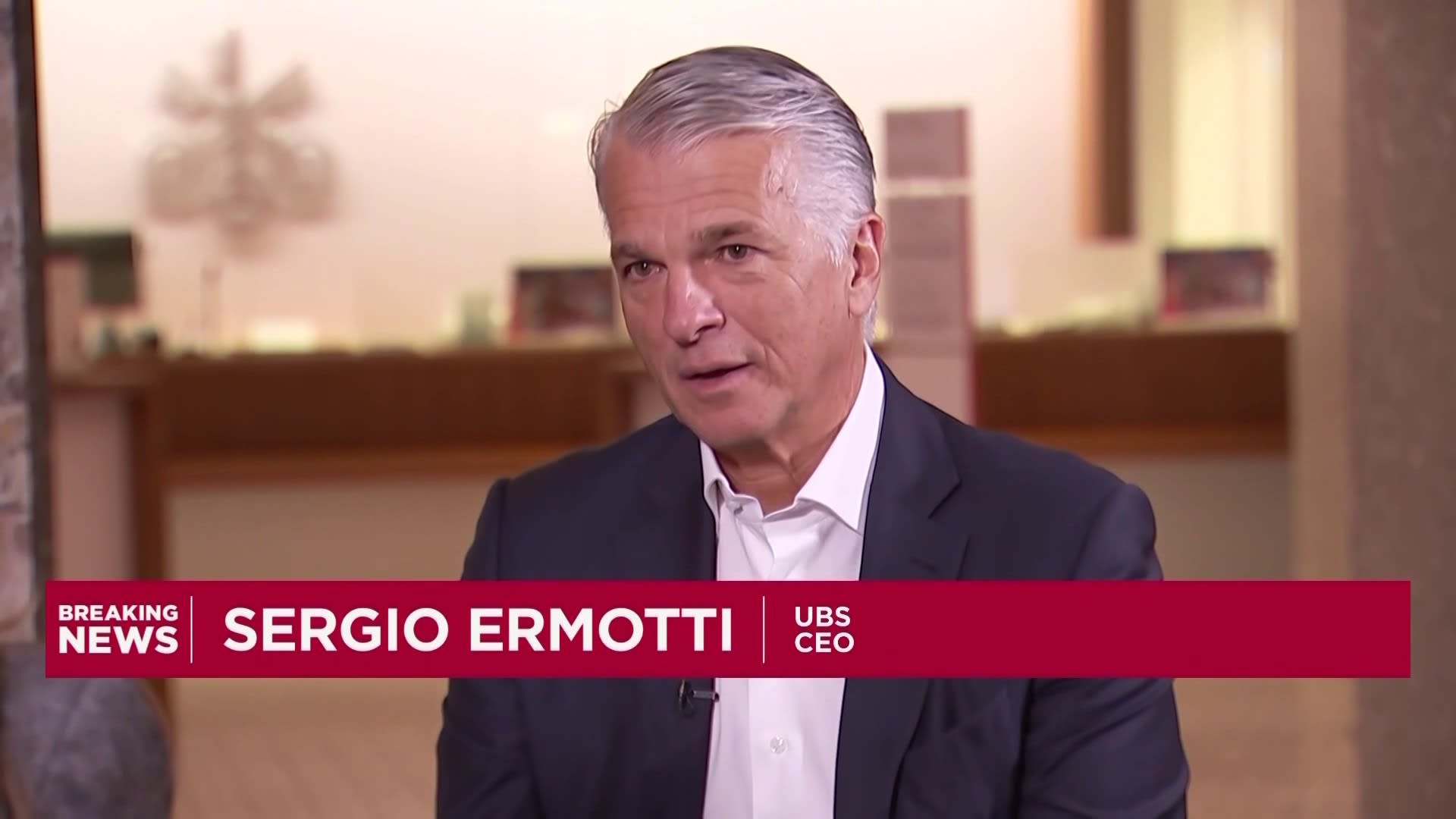
Sergio Ermotti, chief executive of UBS, is facing a dilemma as he considers his bank’s future in a network created to drive global climate action but which has been left exposed since the re-election of US President Donald Trump.
Created in 2021, the Net-Zero Banking Alliance committed its members to “align lending and investment portfolios with net zero emissions by 2050”. Voluntary sustainability initiatives have however fallen out of favour, causing several major banks to quit.
As a founder member and one big enough to make a difference within the alliance, UBS is a good case study with which to explore the merits of staying in or leaving the NZBA.
One option for UBS (which declined to comment) is to remain and take a leading role in accelerating climate transition efforts. It could then help shape the future of the alliance, which still represents about 130 banks with $50tn in assets, liberated from the delays caused by departing American banks.