June 26 (UPI) -- For decades, Americans' trust in one another has been on the decline, according to the most recent General Social Survey.
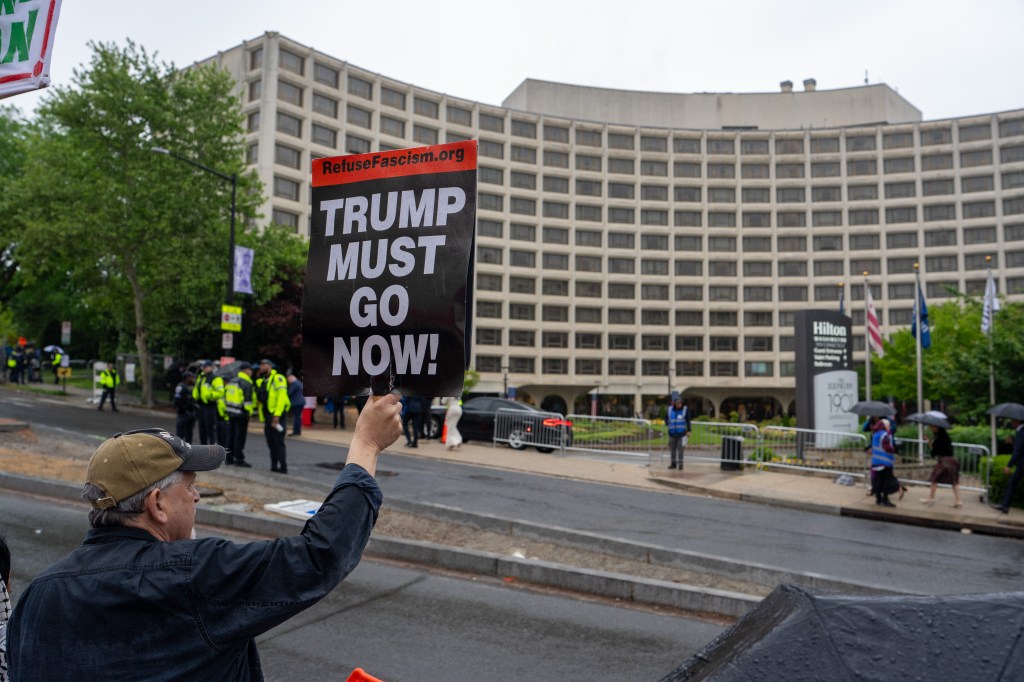
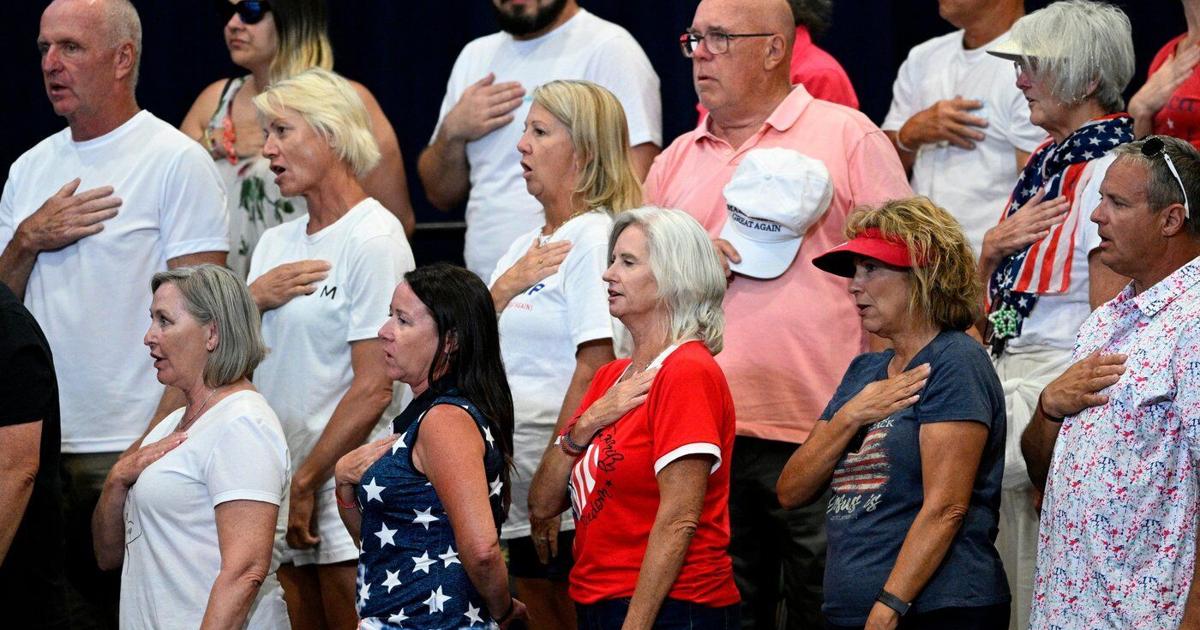
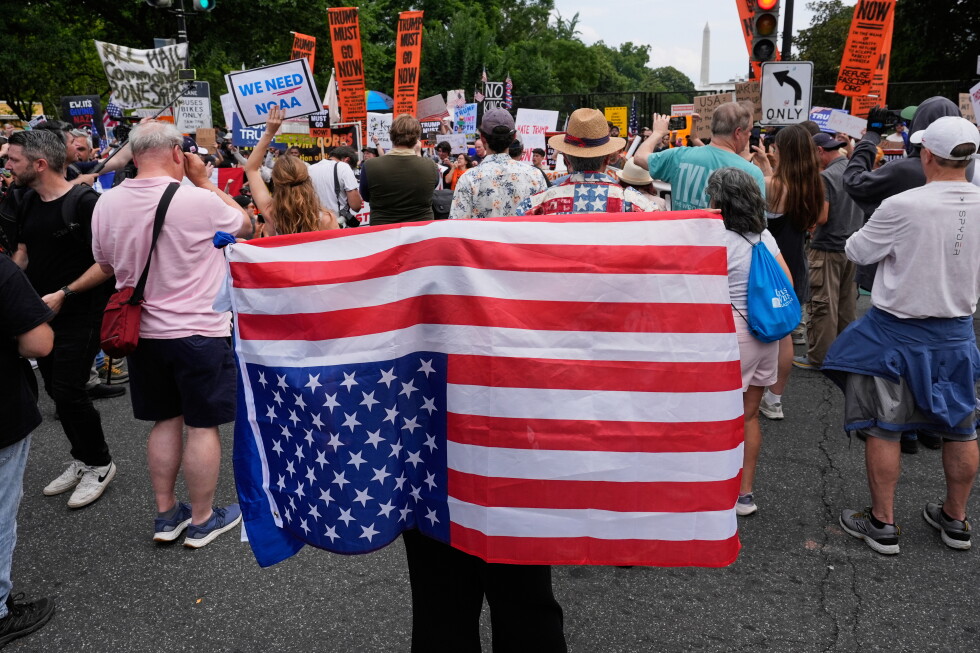
A major factor in that downshift has been the concurrent rise in the polarization between the two major political parties. Supporters of Republicans and Democrats are far more likely than in the past to view the opposite side with distrust.
That political polarization is so stark that many Americans are now unlikely to have friendly social interactions, live nearby or congregate with people from opposing camps, according to one recent study.
Social scientists often refer to this sort of animosity as "affective polarization," meaning that people not only hold conflicting views on many or most political issues but also disdain fellow citizens who hold different opinions. Over the past few decades, such affective polarization in the U.S. has become commonplace.
Polarization undermines democracy by making the essential processes of democratic deliberation -- discussion, negotiation, compromise and bargaining over public policies -- difficult, if not impossible. Because polarization extends so broadly and deeply, some people have become unwilling to express their views until they've confirmed they're speaking with someone who's like-minded.