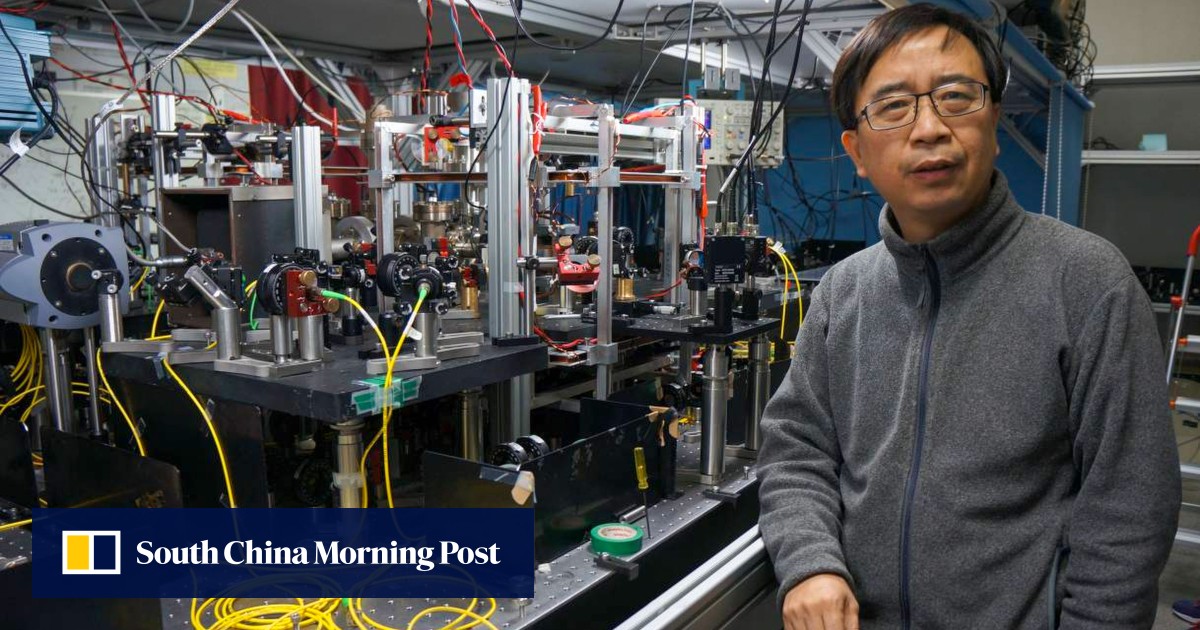
China’s ‘father of quantum’ tells German conference that project has laid groundwork to potentially redefine international basic unit of time
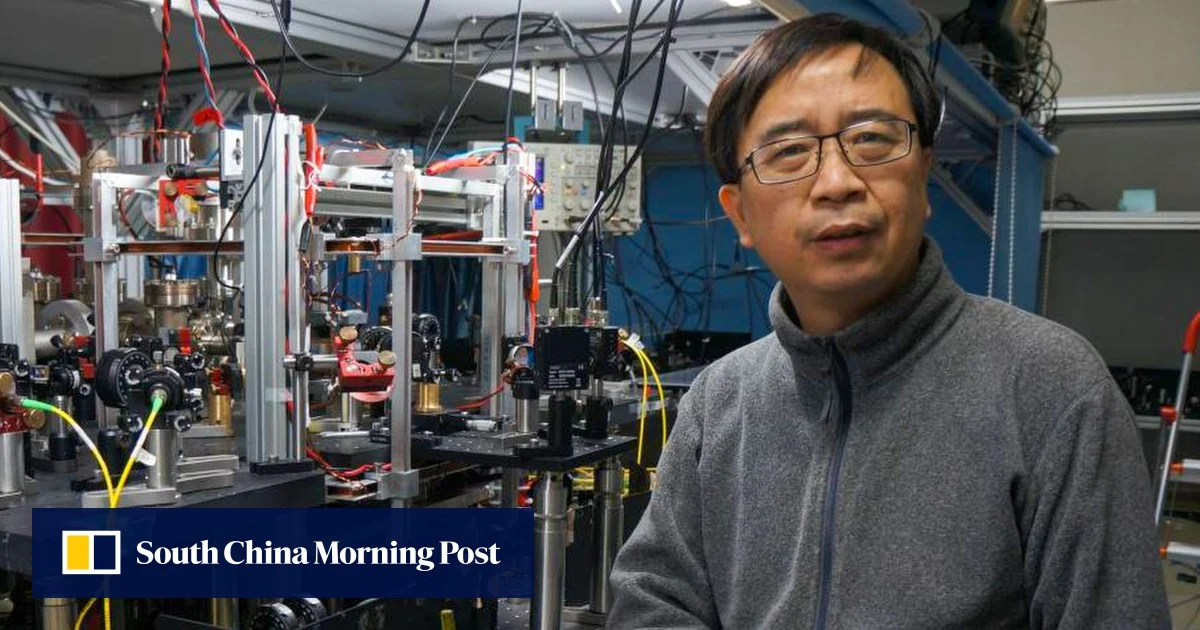
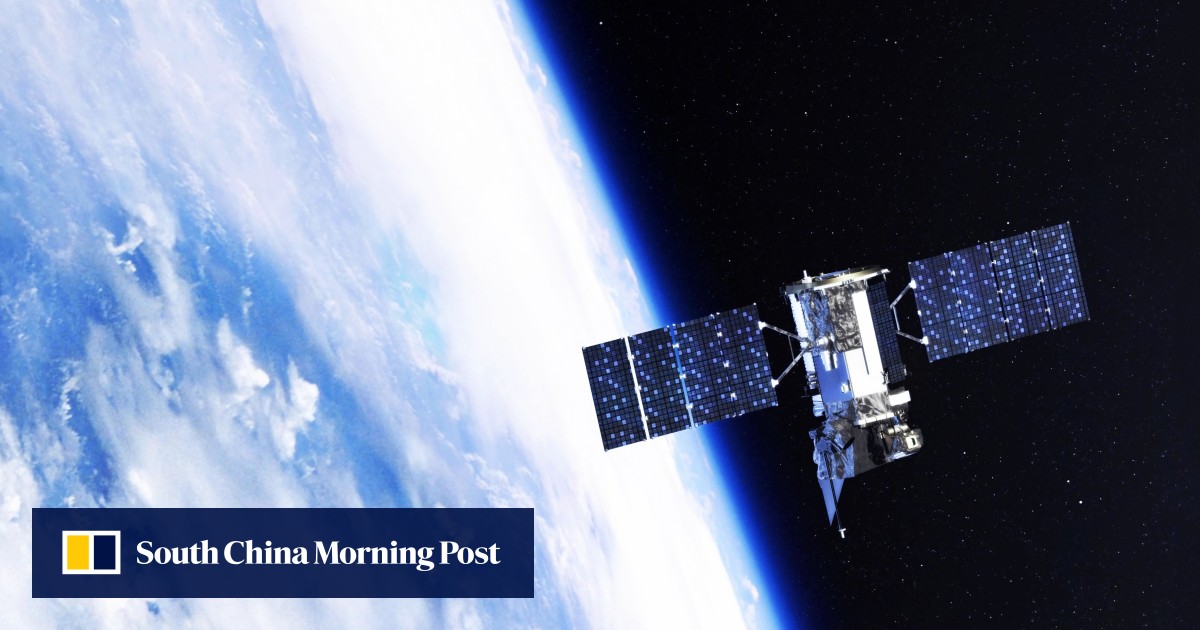
Set to launch around 2027, the satellite will operate in geostationary orbit more than 35,000km (21,700 miles) above the Earth, Pan revealed during a pre-recorded keynote speech at a conference in Germany this month to mark the centenary of quantum mechanics.
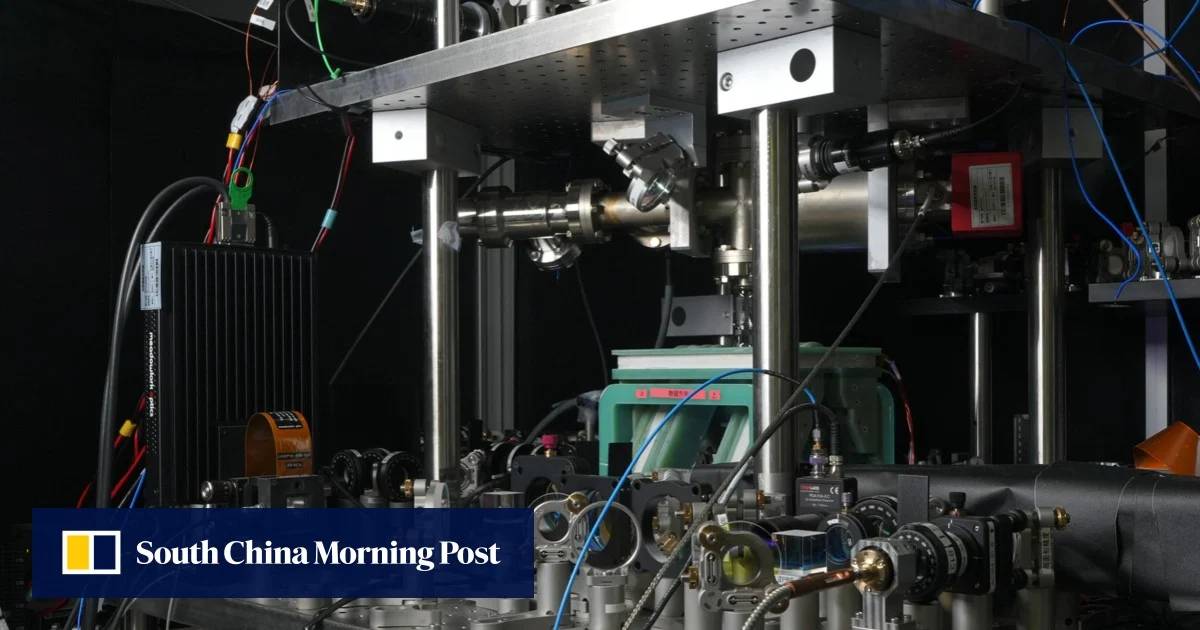
The satellite will carry an optical atomic clock and serve as a new platform for quantum metrology research, including efforts to improve the short-term stability of atomic clocks through global entanglement distribution, and potentially pave the way for a redefinition of the International System of Units (SI) base unit of time – the second.
Space race elevates Asia in new world order
Pan revealed the satellite’s name during a live Q&A session with more than 300 quantum physicists, including four Nobel laureates, who gathered on the island of Helgoland for the week-long meeting. Dawn was designed to extend entanglement distribution distances to over 10,000km, he said.