Mamdani’s popularity represents the total collapse of a Democratic party establishment
T
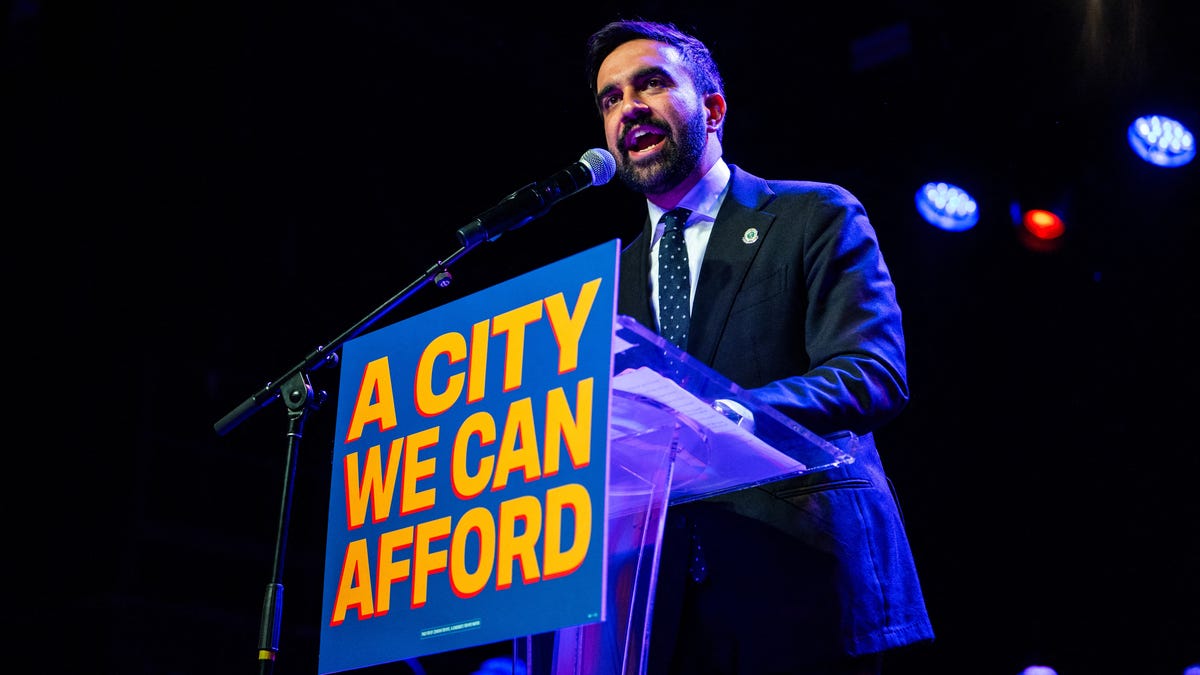
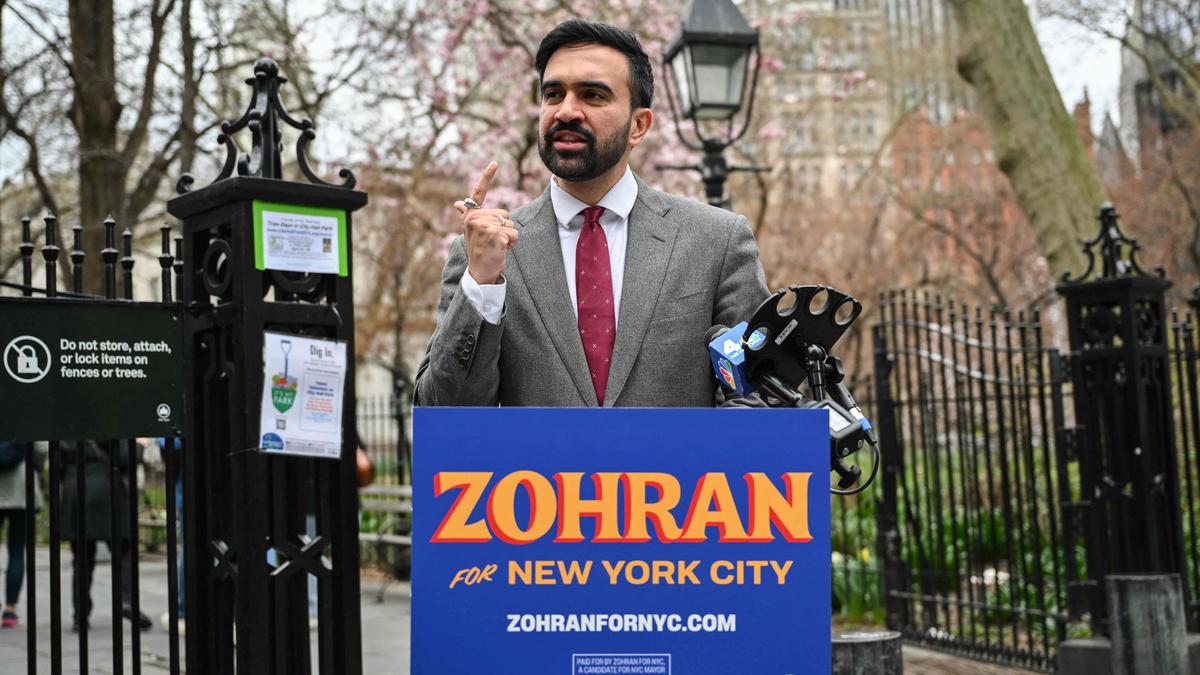
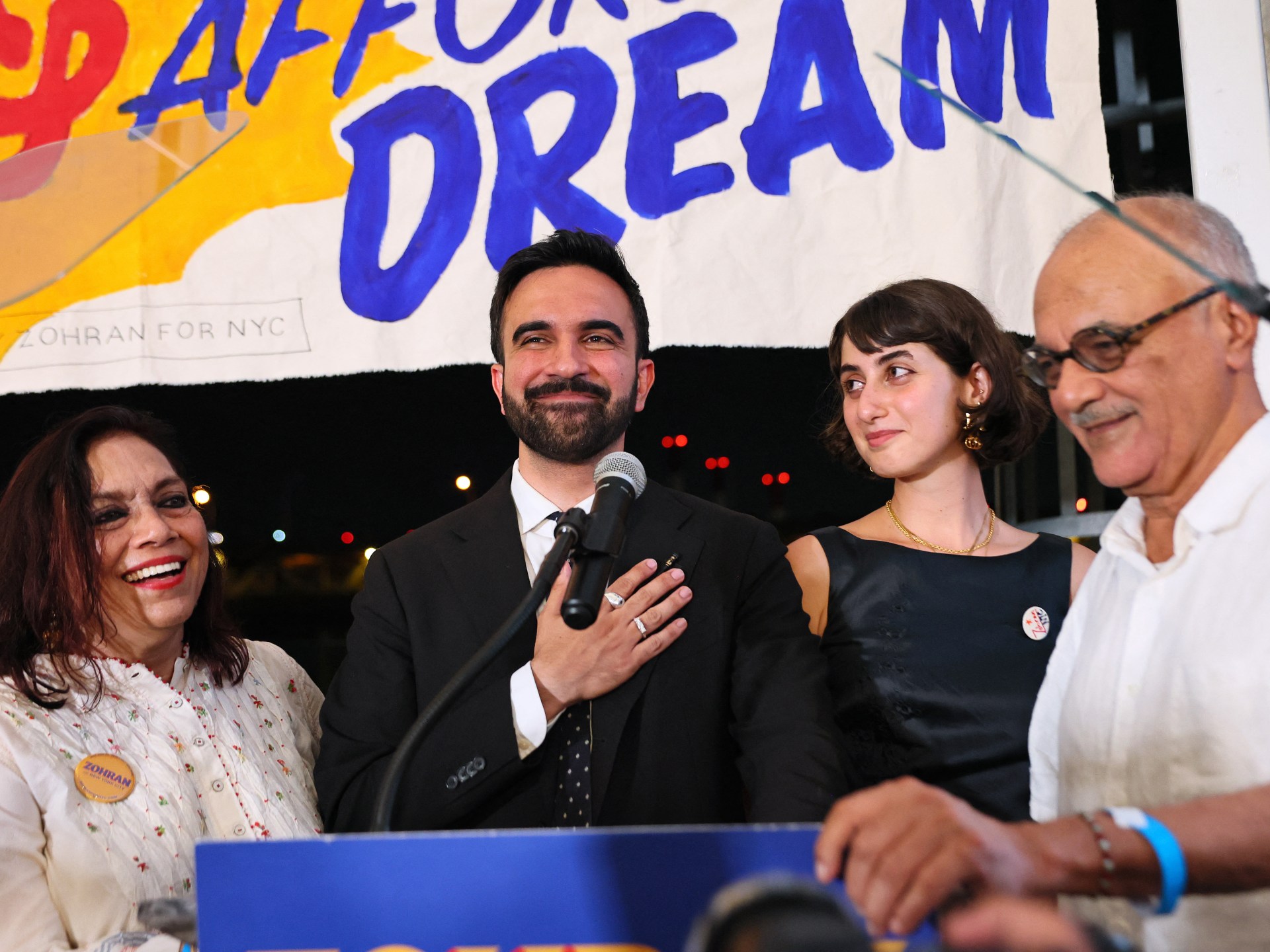
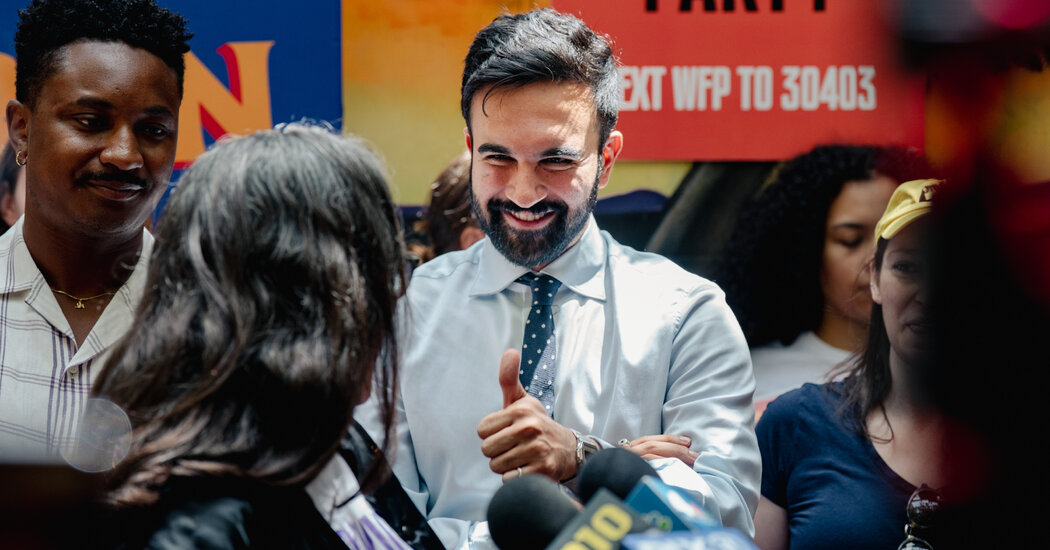
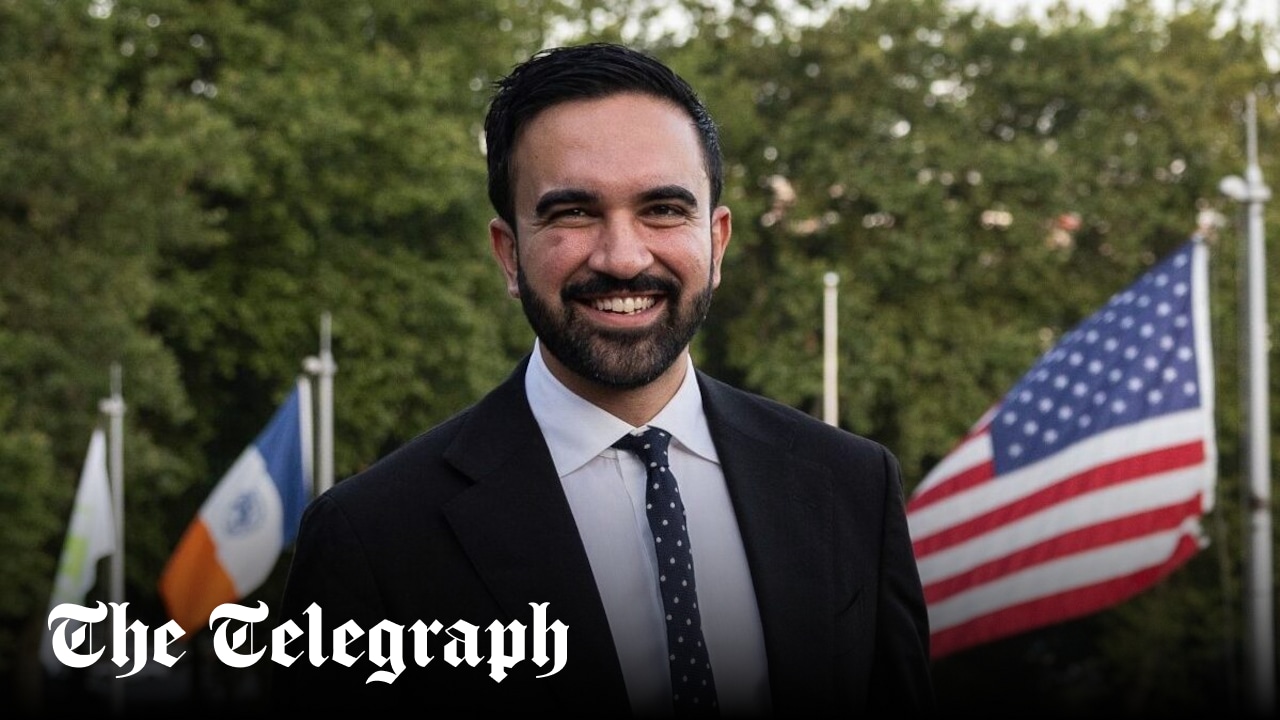
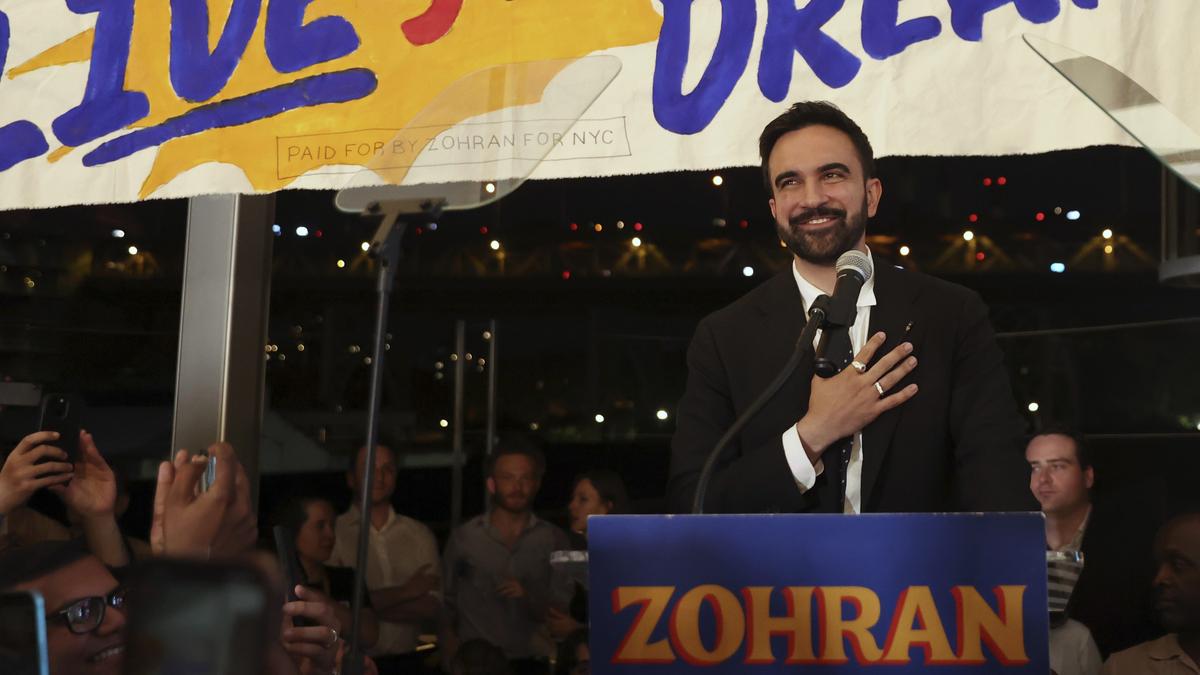
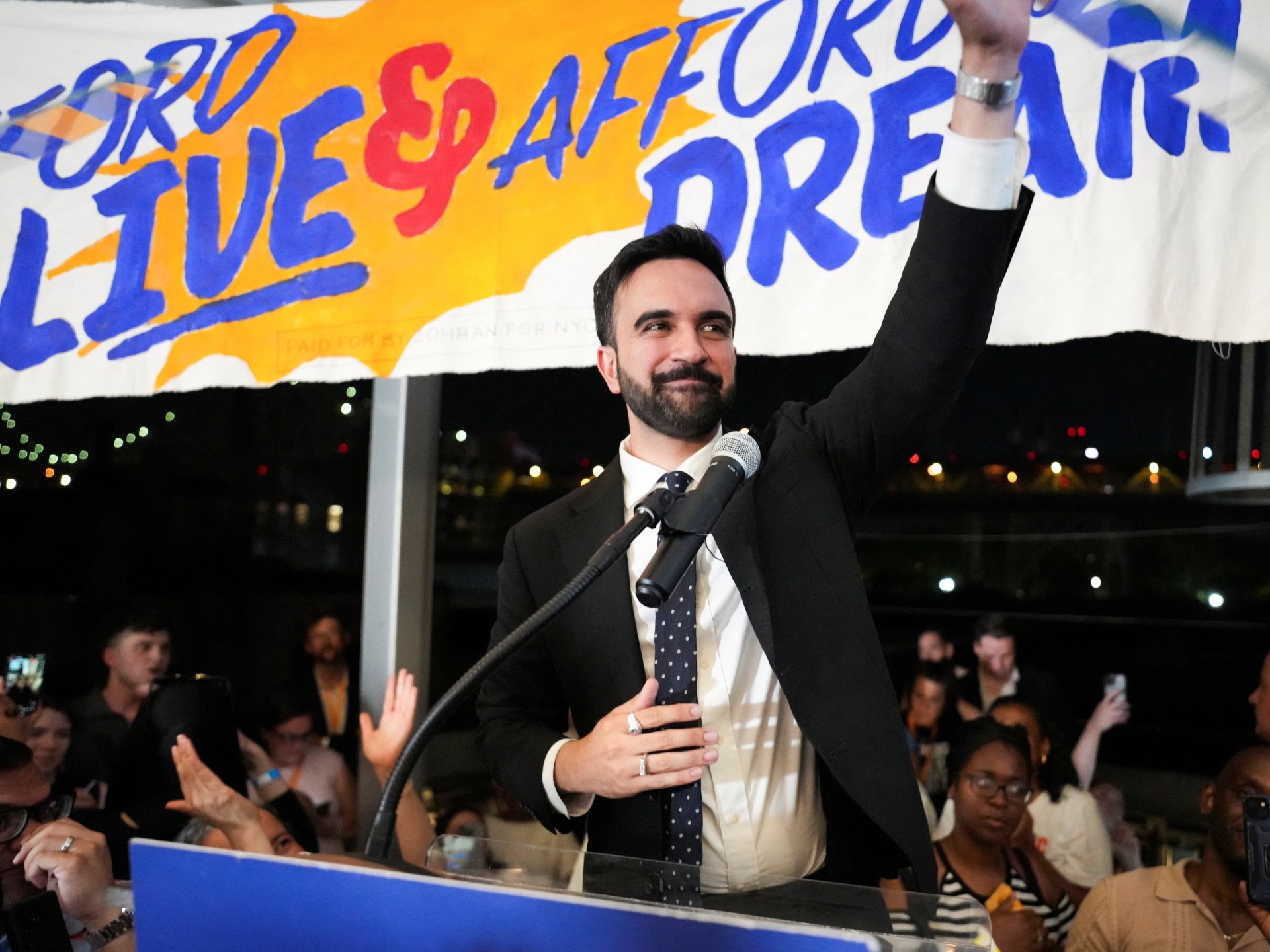
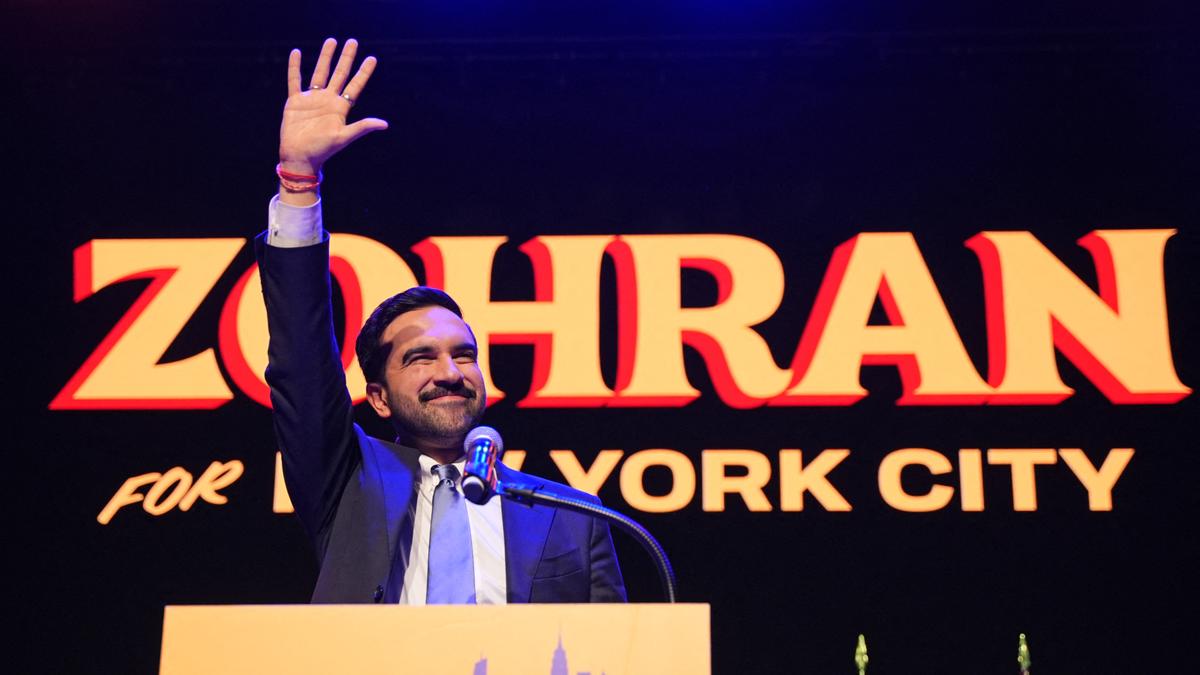
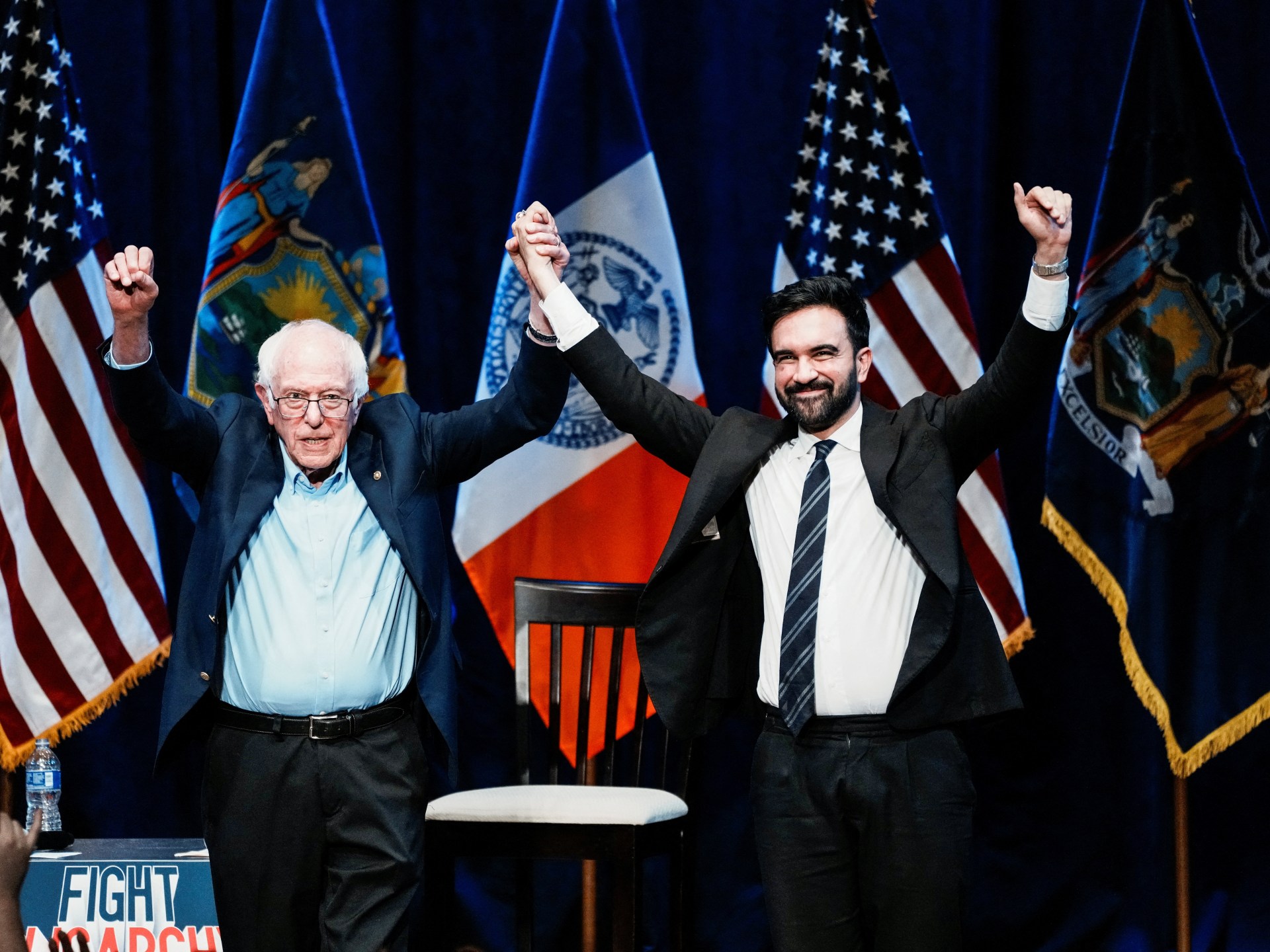
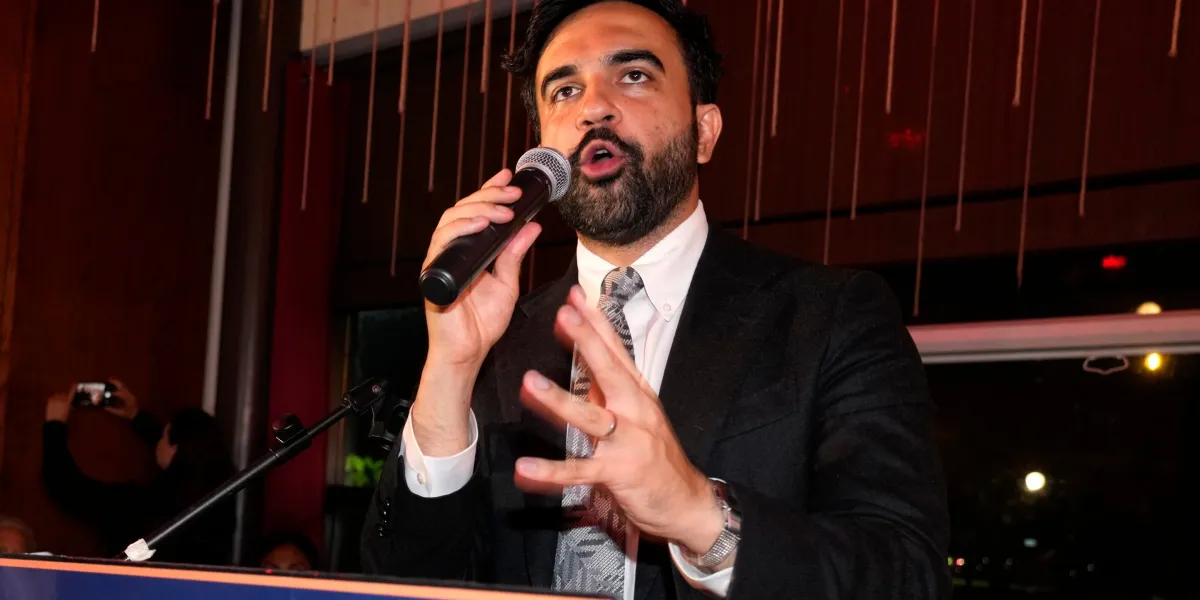
he surprise electoral success of Zohran Mamdani, the 33-year-old democratic socialist running to be mayor of New York, most prominent city on Earth, is a political earthquake. The breadth and scope of his performance were predicted by no polls, no prognosticators, none of the wise men. The ramifications of this upset will be felt for years, across the US and the developed world.
In the end, it wasn’t even close. Mamdani’s widespread appeal represents the total collapse of a Democratic party establishment that had weathered Donald Trump’s first term with rhetorical resistance, and fumbled the beginning of the second with triangulating appeasement. This year, the favorability of the Democratic party has collapsed to record lows, not because of the popularity of the Trump administration or the Republican party, but because of its unpopularity with its own voters. Chuck Schumer caving to the president on an unpopular and devastating Republican spending bill was the last straw for many. The Democratic party and the resistance to Trump had been severed for the first time.
There’s anger across the country with its leadership, Democratic and Republican, in cities, suburbs, and rural areas. According to Americans, things are not going well. Prices are up, wages are down, and instability is at an all-time high. Nowhere is this more true than in our biggest city, New York, where the moderate Democratic mayor Eric Adams made a quid pro quo deal to keep himself out of prison on corruption charges in exchange for enforcing Trump’s policies in a city where Trump had minimal political support.