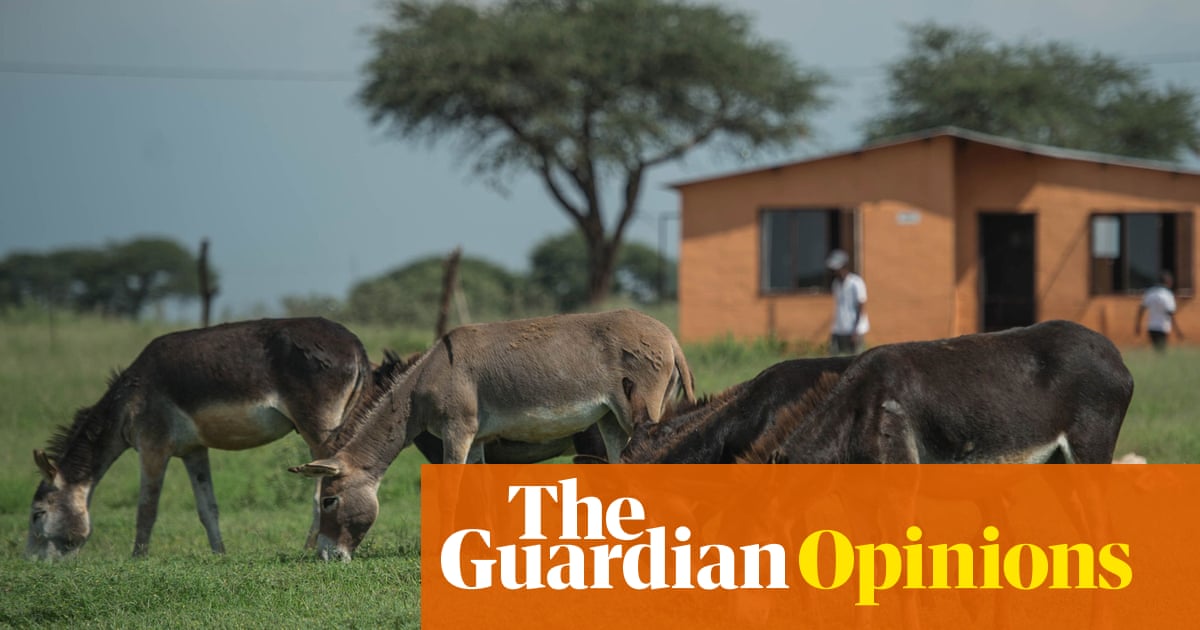
The surging export of hides created domestic tensions – and shows how globalisation plays out in unexpected ways
W
hat can help to protect women’s health, boost the incomes of impoverished families and thus allow girls to avoid early marriage? What – when it disappears – can set back children’s education, damage mental wellbeing, drive conflict within communities and become a vector for racial hatred?
The humble donkey has rarely been in the spotlight. Yet Chinese demand for its skin proved so destabilising that African governments agreed to a continent-wide ban on the slaughter of the animal for its hide last year. This week, officials are meeting in Ivory Coast to discuss implementation.
A recent paper by Dr Lauren Johnston of the University of Sydney outlines the extraordinary rise and fall of the Sino-African trade in donkey skins, and its repercussions. Ejiao – donkey hide gelatine – was first developed around 3,000 years ago and is used in traditional Chinese medicine, and more recently in beauty products. Longstanding demand was supercharged by growing prosperity and media influence, reportedly surging after characters in a popular Chinese TV period drama, Empresses in the Palace, were shown taking it. But while production of ejiao had been industrialised, a problem soon emerged: donkeys are notably hard to breed. Ejiao consumption equates to 4m to 5m hides per year, equivalent to almost a tenth of the global donkey population. China’s stock of animals plummeted from 11 million in the early 1990s to just 2 million – and attention turned to African hides.