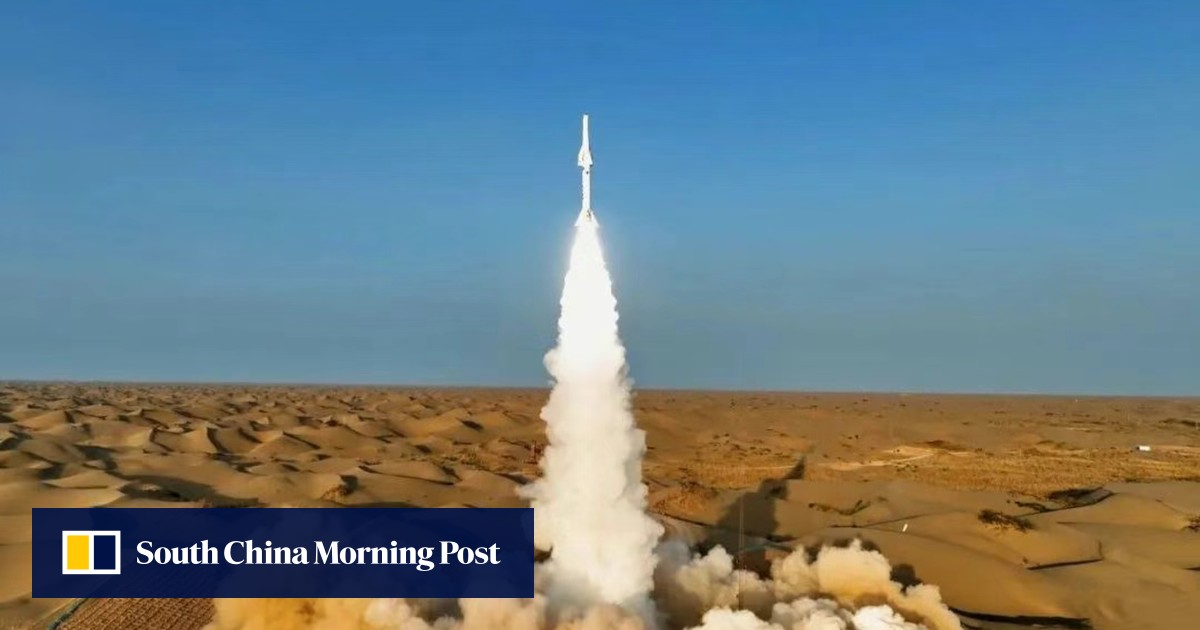
University subject to US sanctions says test flight proved key capabilities, such as autonomous flight with variable angle of attack
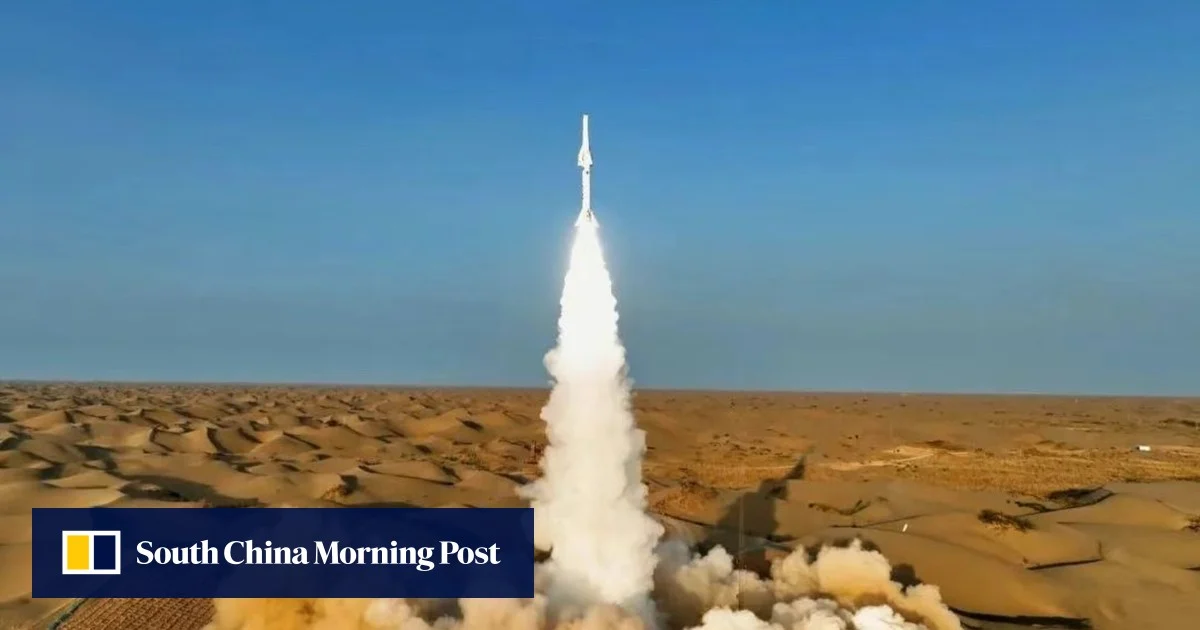
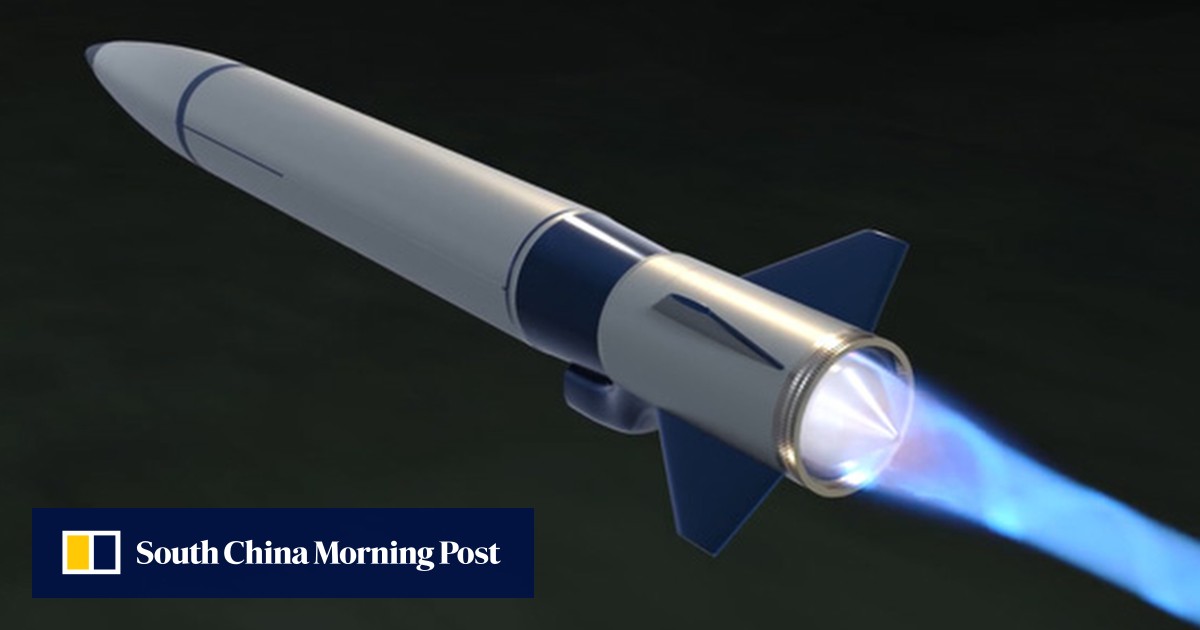
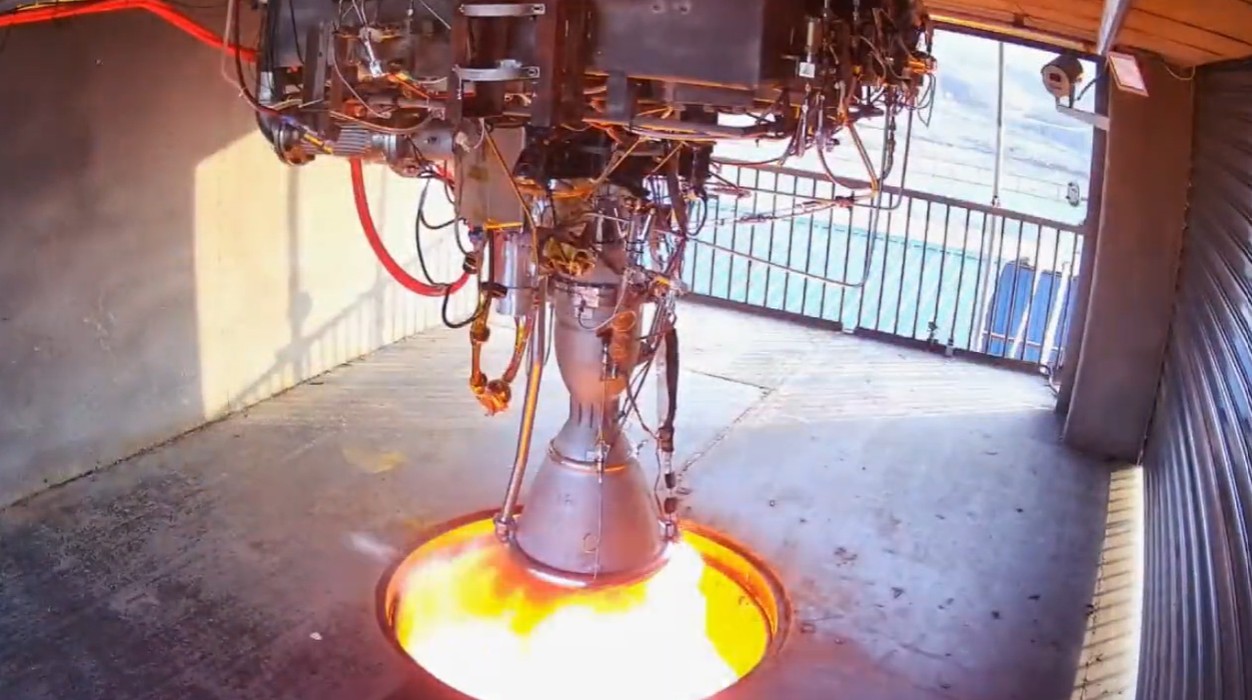
The research team said the test represented the first successful acquisition of real-flight data for a rocket-based combined cycle (RBCC) engine using a kerosene-hydrogen peroxide propellant. The university’s statement said the test flight proved key capabilities, including variable-geometry intake operation, thrust-varying acceleration and autonomous flight with variable angle of attack.
Chinese plane designed to travel twice as fast as Concorde completes test flight
Hypersonic vehicles sometimes operate outside the atmosphere or in extremely thin air, preventing them from using atmospheric oxygen such as in air-breathing engines. Consequently, they must carry both oxidiser and fuel on board.
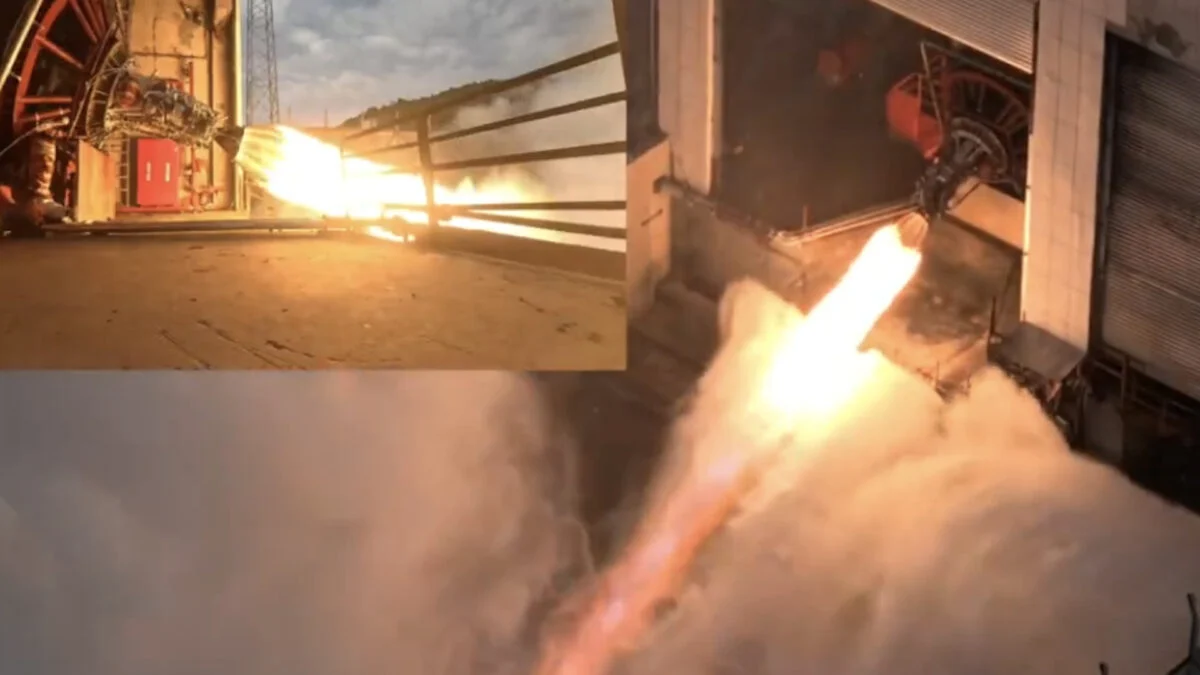
Feitian 2 advances this by using a kerosene and hydrogen peroxide propellant.