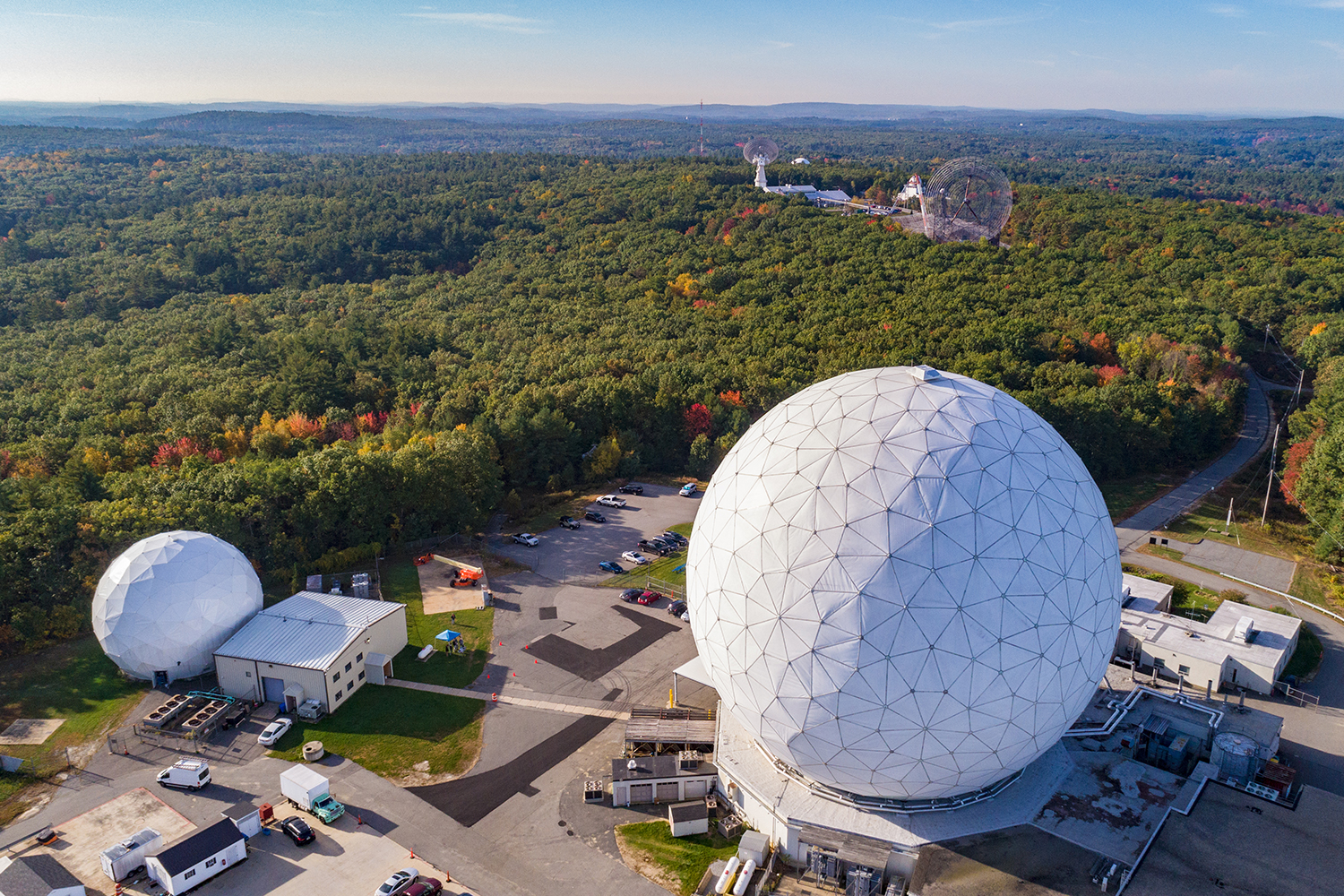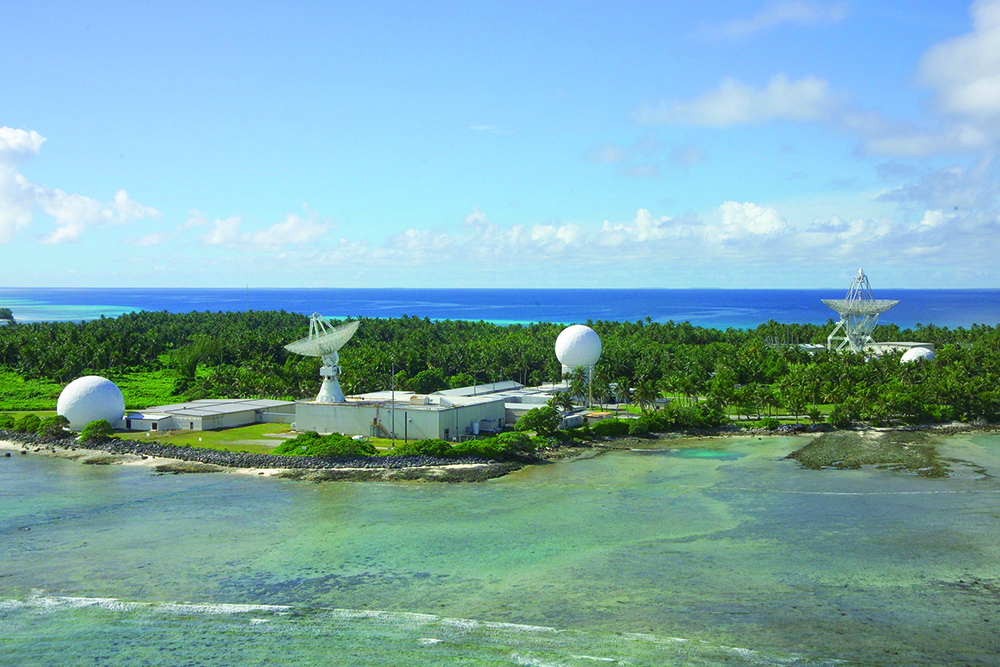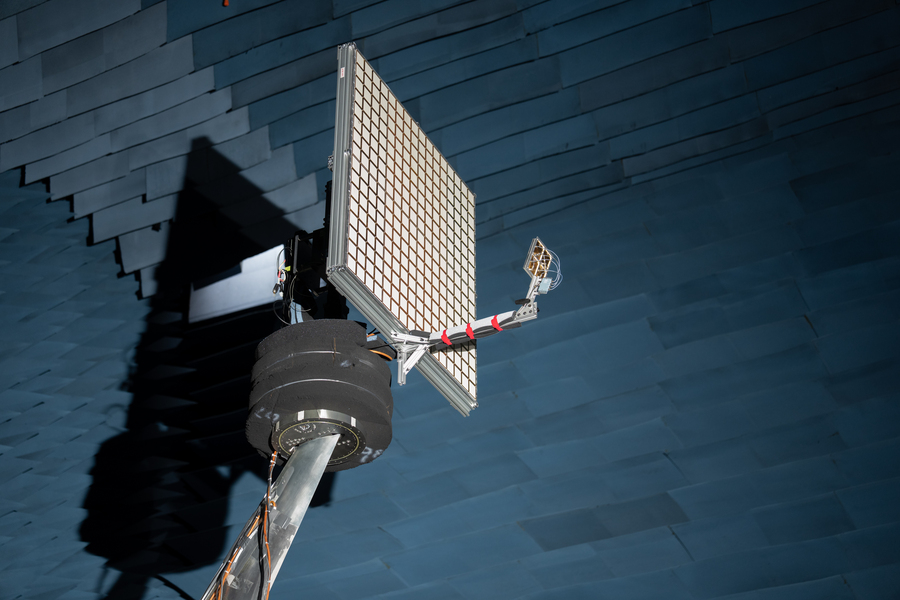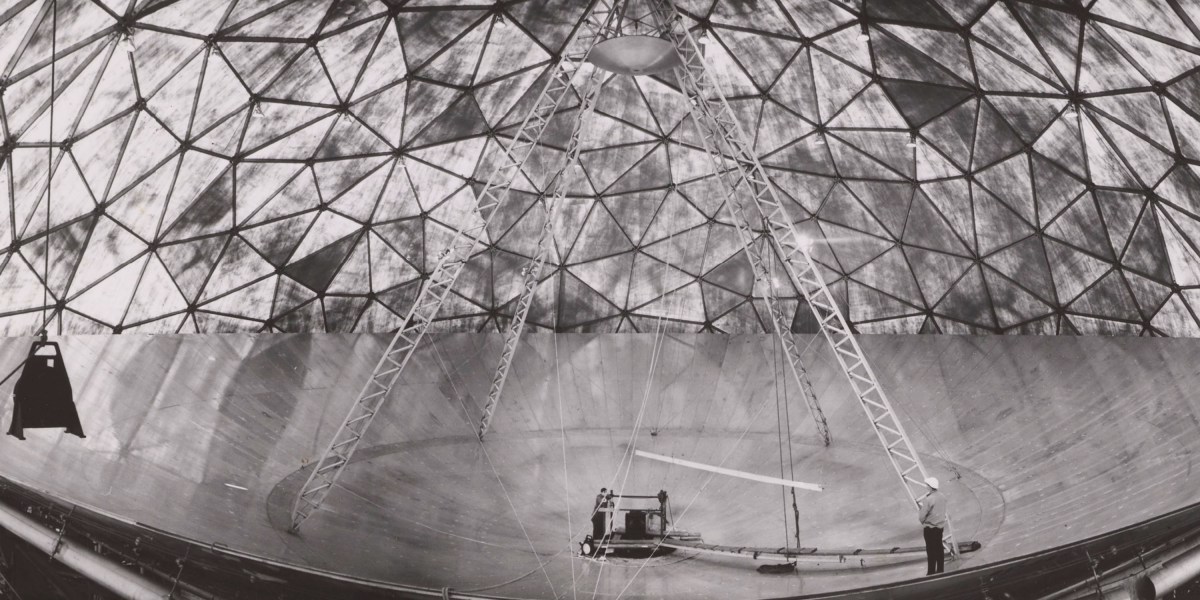
In the 1960s, an unexpected gift from the Air Force led Herb Weiss ’40 to develop an antenna that could track a speeding bullet 1,000 miles above Earth. And a radome Buckminster Fuller had helped design protected it.
In the summer of 1952, a group of scientists, engineers, and military people convened at Lincoln Laboratory amid brewing Cold War tensions to evaluate US vulnerability to air attacks. The “Summer Study,” led by MIT physics professor Jerrold Zacharias, recommended establishing what became known as the Distant Early Warning (DEW) Line—a network of surveillance radars and communication links from Alaska across northern Canada to Greenland that could warn the US three to six hours ahead of an attack. The US Air Force soon signed off on a plan to do just that.
Beyond tackling major electrical engineering issues involved in developing the DEW Line, Lincoln Laboratory engineers also had to figure out how to protect the giant radar setups from the elements. At the time, large antennas were sometimes set up inside inflatable radar domes known as radomes. But such inflatables, often made of rubber or vinyl (sometimes coated), would be no match for the Arctic’s snow and rain, howling winds, and bitter temperatures. To design a rigid radome that would offer weather protection but still be electromagnetically transparent, they enlisted the help of Buckminster Fuller, the geodesic dome’s inventor. Fuller recommended a three-quarter-sphere design and advised constructing it of polyester-bonded fiberglass, an exceptionally strong, lightweight, and affordable material. The team built a prototype 31 feet in diameter that survived 1954’s Hurricane Carol atop a Lincoln Laboratory building and then withstood the harsh conditions at the summit of Mount Washington in New Hampshire. Radomes 50 feet in diameter were then built for DEW Line antennas in Greenland and Newfoundland and on Cape Cod.