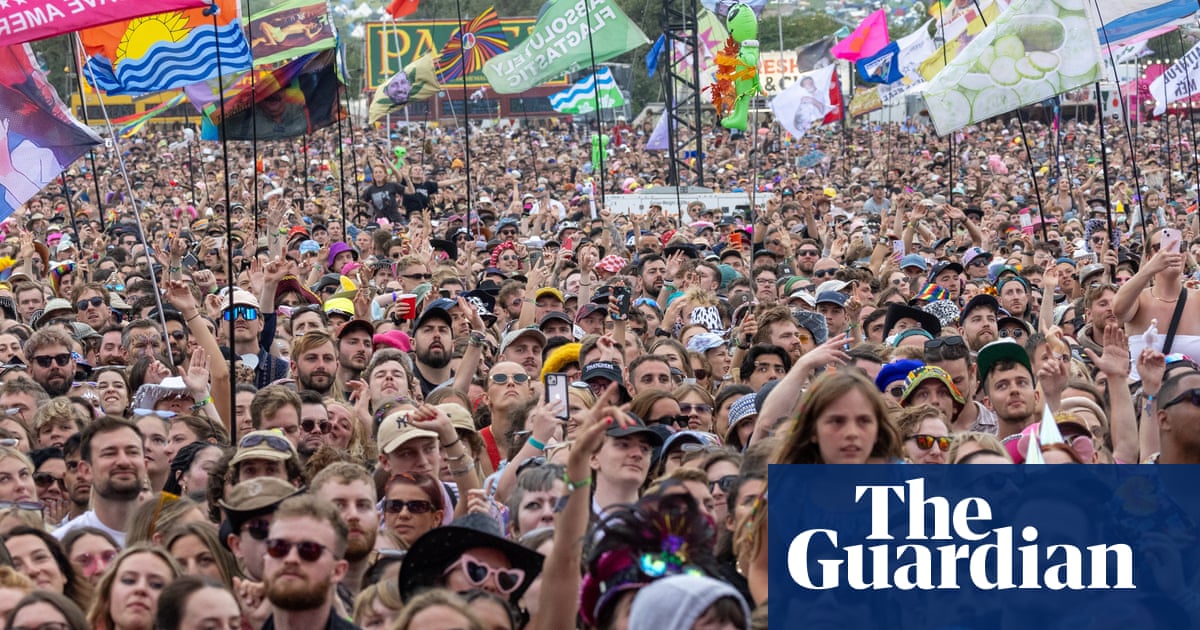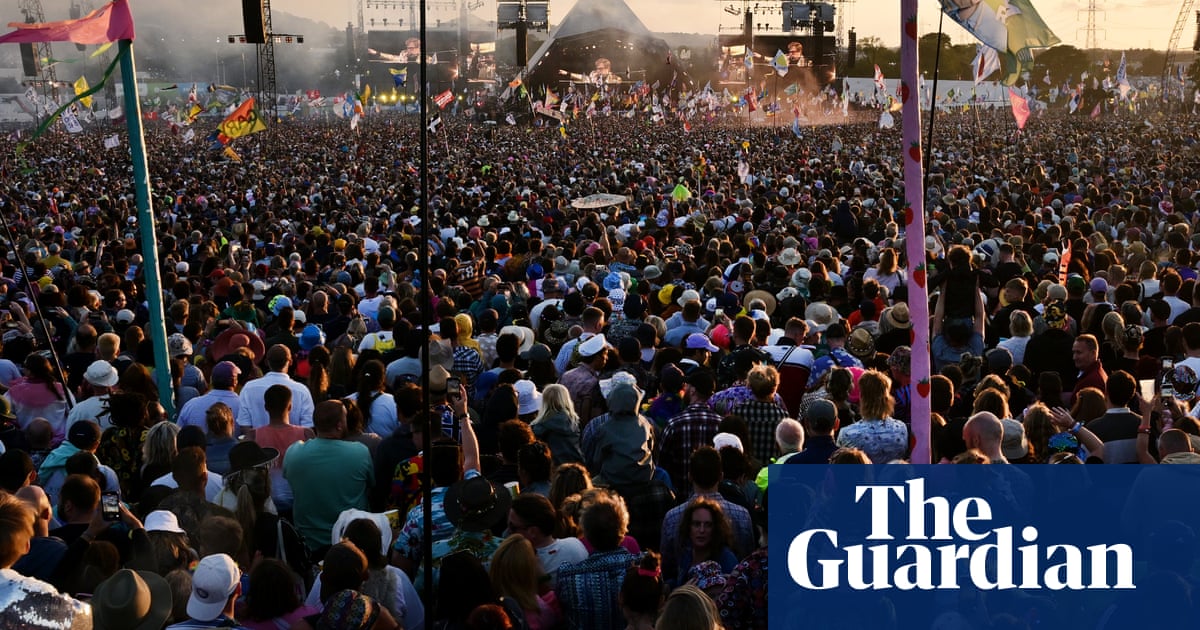
After disasters such as Astroworld and scary bottlenecks at last year’s Glastonbury, Emily Eavis and crowd experts explain how they’re trying to make events safe
I
n the last two decades the British festival season has ballooned in size to become not just a critical part of our cultural life, but the economy at large – worth billions of pounds, and numbering as many as 850 events last year. But as Glastonbury kicks off this weekend and the season enters its peak, there are a growing number of controversies around crowd safety and management.
In April, London Assembly member and Conservative mayoral candidate Susan Hall echoed Metropolitan police concerns about the potential for a “mass casualty event” at Notting Hill Carnival this year, and in May, the Mail on Sunday published an anonymous Glastonbury whistleblower’s allegation that the festival is a “disaster waiting to happen … Worst-case scenario, people are going to die.”
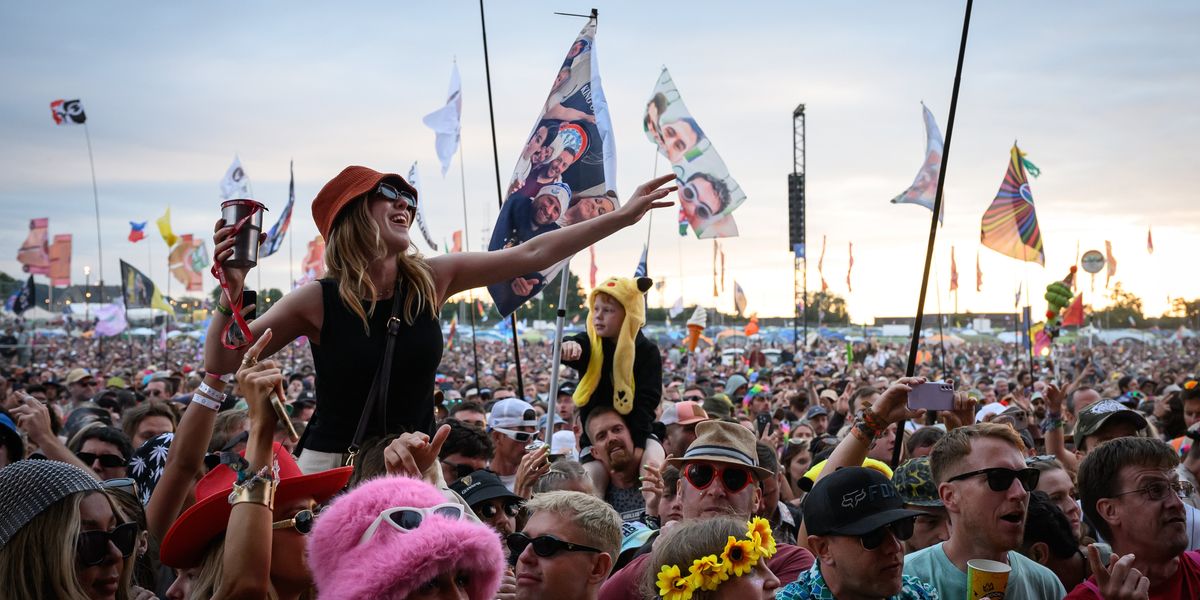
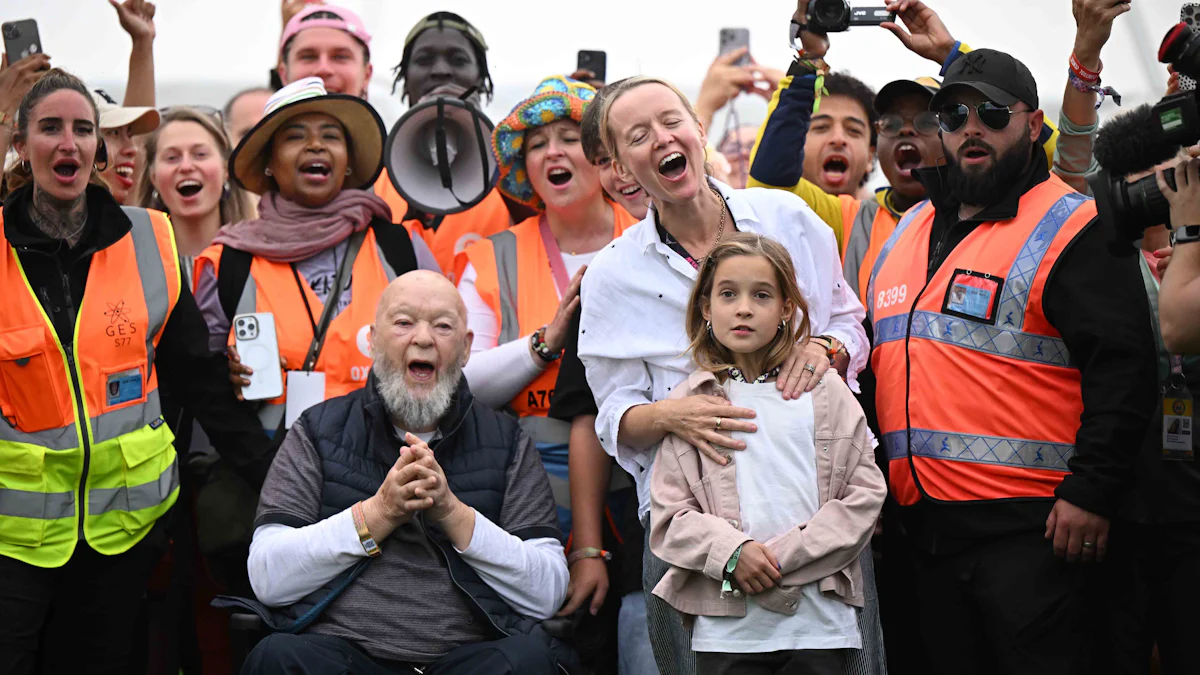
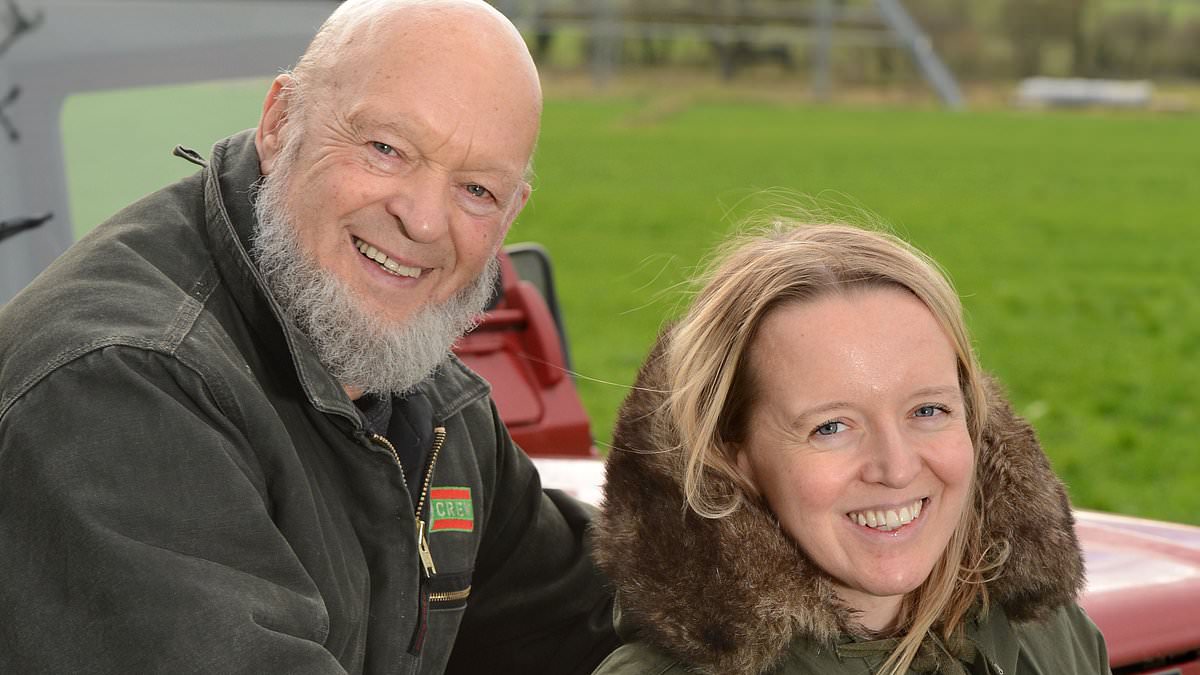
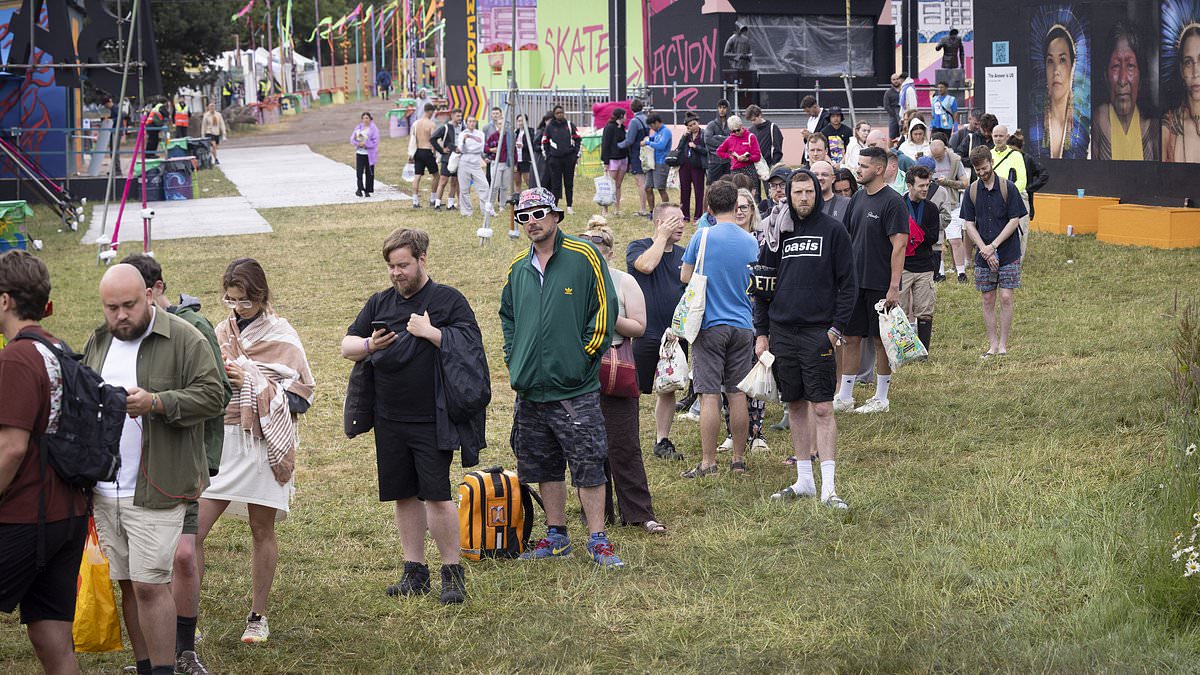
Glastonbury 2024 had prompted widespread concerns about overcrowding and bottlenecks – particularly when big acts such as the Sugababes, Charli xcx and Bicep played relatively small stages. At the time, festival organisers underlined their commitment to crowd safety but said that such performances are “part of the magic of Glastonbury”. Now, festival organiser Emily Eavis has announced that Glastonbury has sold “a few thousand less tickets” this year in the hope of easing overcrowding. “Crowd management has become pretty much our biggest priority and the thing we spend most time on,” she tells me, with teams constantly “planning, tweaking and updating our crowd management operation” before and during the festival, “to make sure everyone is safe”.