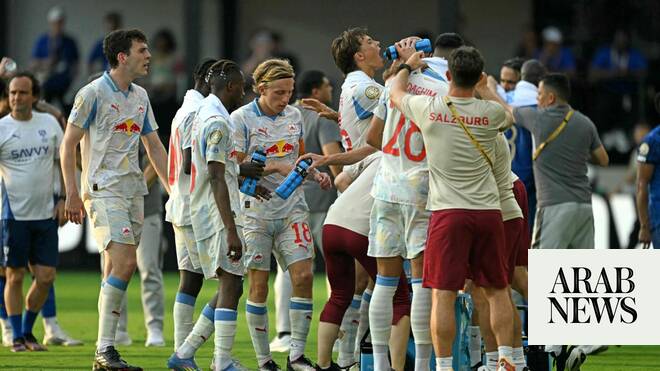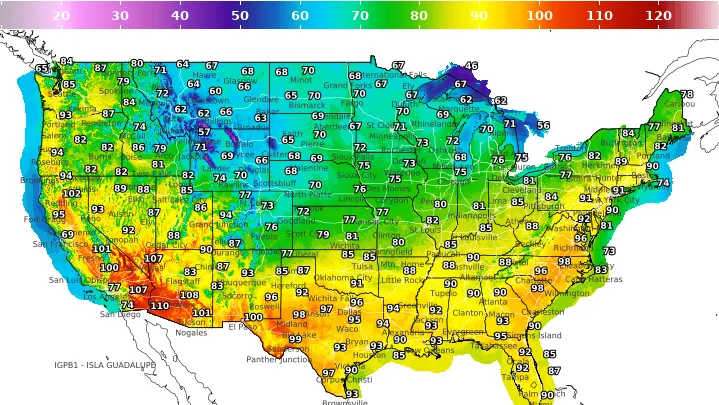
That the US gets hot in the summer is hardly breaking news. Even if it may not give any one team an advantage, it puts players, fans and officials at risk
In the 31 years since the United States last hosted the men’s World Cup, a few things remain unchanged.
Recent politics notwithstanding, the US population is diverse and air travel is relatively easy, so international games tend to attract supporters no matter where they live. As long as ticket prices are reasonable, a good crowd is a good bet.
Also – it still gets really hot in the summer. This, of course, is not news. It was a major subplot of the 1994 World Cup, it will be a major subplot of the 2026 edition – which the US will co-host with Canada and Mexico as the climate crisis makes heatwaves more likely – and it’s a major subplot of the Club World Cup this summer.
The 19th-century Englishmen who wrote the first official Laws of the Game probably didn’t anticipate the brutal heat that players often have to endure in a US summer, but everyone else should. Some rules of basic mathematics and climate are incontrovertible. A southern US venue plus a midday start time equals 22 players broiling in the sun, and it’s odd that Fifa, in charge of the Club World Cup and next year’s World Cup, does not appear to have foreseen that playing in blistering heat isn’t much fun.